
AI news ·
FAA develops AI traffic management system to predict flight conflicts hours in advance
The FAA is building an AI system called SMART that could warn air traffic controllers of conflicts 1-2 hours out, versus 15 minutes today. Palantir, Thales, and Airspace Intelligence are competing to build it, with a possible 2026 launch.
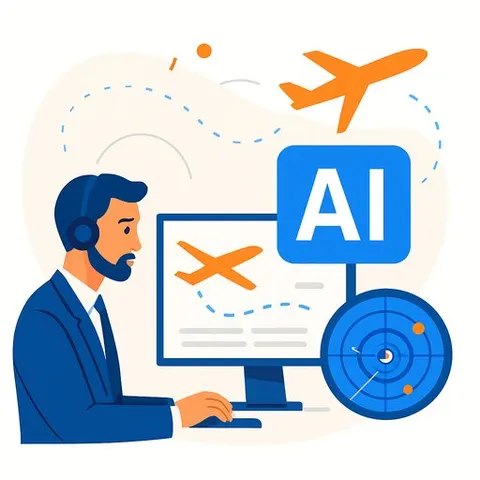
FAA Develops AI System to Predict Air Traffic Conflicts Hours in Advance
The Federal Aviation Administration is developing an AI-powered software system called Strategic Management of Airspace Routing Trajectories (SMART) that could shift U.S. air traffic control from reactive to predictive operations, according to people familiar with the project. The system could detect scheduling conflicts and bottlenecks before aircraft leave the ground - a substantial departure from today's controller-centric approach.
FAA Administrator Bryan Bedford is personally overseeing the initiative as part of the agency's airspace modernization efforts. Palantir, Thales, and Airspace Intelligence are competing to develop the software, which could be operational in some form by the end of 2026.
How It Works
SMART would enable controllers to receive alerts about potential conflicts one to two hours before they occur, rather than 15 minutes before, Transportation Secretary Sean Duffy said at an April 17 event. Controllers could then adjust a single flight path slightly to prevent the conflict entirely.
The system analyzes flight paths and predicts where aircraft might interfere with one another. This allows for proactive intervention instead of managing problems as they arise.
Timeline and Details
The FAA and Department of Transportation plan to release more information about SMART at a press event scheduled for April 21. The project has operated quietly until now, with Duffy's comments marking the first public acknowledgment by a senior official.
For IT and development professionals, understanding AI for IT & Development and AI Agents & Automation provides context for how predictive systems like SMART integrate into critical infrastructure.