Nothin’ but a number … your biological age may be very different from your chronological age
FaceAge: the AI tool that can tell your biological age through one photo
What if a simple selfie could reveal how well—or poorly—you’re ageing? That moment is approaching fast.
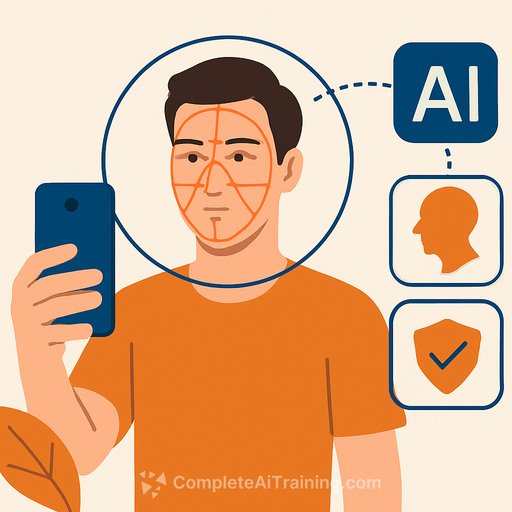
FaceAge is a new AI tool developed by scientists at Mass General Brigham in Boston. By analyzing a photo of your face, it estimates your biological age, which can differ significantly from your chronological age.
Why does this matter? Because people age at different rates. For example, at age 50, actor Paul Rudd’s biological age was estimated at 43, while Wilford Brimley’s was 69. This difference isn’t just cosmetic—it reflects underlying health.
FaceAge does more than guess your age. It assesses features like skin folds around the mouth and hollowing of the temples—markers that correlate with health and resilience.
Unlike superficial signs such as grey hair or baldness, which can be misleading, FaceAge offers a more precise health snapshot. This has practical implications, especially in medical settings. For example, patients with higher biological ages might respond poorly to aggressive treatments like radiotherapy.
Originally tested on cancer patients, researchers plan to explore FaceAge’s application to other health conditions. This could improve treatment decisions and patient outcomes.
That said, there are current limitations. The tool’s accuracy with people who have had plastic surgery is unclear. Also, since the AI was mainly trained on white faces, its performance across diverse skin tones requires further validation.
Despite these challenges, AI tools like FaceAge are evolving quickly. While it won’t be making life-or-death decisions anytime soon, it represents a promising direction for medical diagnostics—offering an objective, non-invasive way to assess health.
Do say: “FaceAge is the new frontier of medical diagnostics.”
Don’t say: “It says I’m going to die three seconds into the robot uprising of 2028.”
For those interested in how AI is shaping healthcare diagnostics and other fields, exploring professional AI training can provide valuable insights. Visit Complete AI Training’s latest AI courses to learn more.
Your membership also unlocks: