AI, Sexual Health, and Public Trust: A National Plan Canada Needs Now
AI is reshaping what people see, share, and believe. That has real consequences for sexuality education, sexual and reproductive health, and gender. We cannot import a "move fast and break things" mindset into public health. The stakes are too high, and the people impacted are too many.
The risks we're seeing
- Mis- and disinformation is outpacing oversight. Sexual health content that is false or misleading spreads because it drives clicks and revenue. Canada is lagging behind peers testing stronger guardrails (like youth restrictions or feature-level limits), while official communications continue to sit beside harmful claims.
- Platform bias undermines credible sexual health information. Moderation policies often remove accurate, rights-based content on sex, gender, or abortion by labeling it "political," yet allow AI-generated pornography and non-consensual materials to circulate. The result: people pick up myths from porn and influencers, not educators.
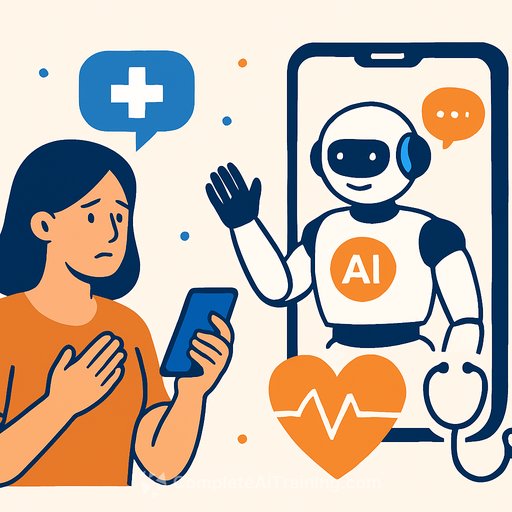
- Bad online advice becomes bad health outcomes. Some AI platforms miss the mark on sexual health answers roughly one-third of the time (36%). The Canadian Medical Association reports 23% of people say online advice hurt their health. Delayed care from misinformation strains clinics and hospitals.
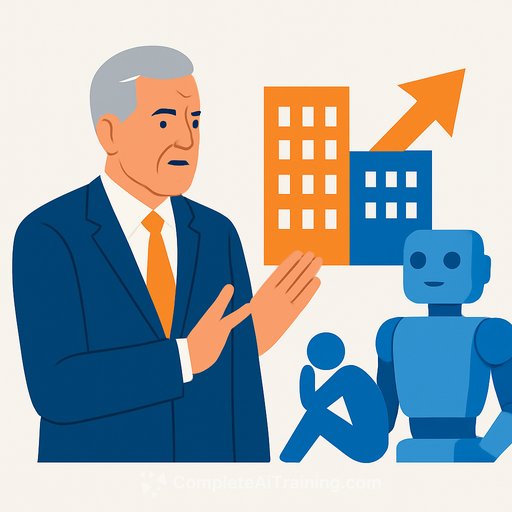
- Public dollars are flowing to AI, not essential services. Sexual health centres face cuts and anti-sex ed pushes that limit services, while AI gets new funding. If AI is an economic bubble, betting public health on unproven tools is a risk Canada can't afford.
- Sexual health data is a security issue. Canada lacks a publicly owned AI health platform. As private and foreign firms integrate into care pathways, they collect and store sensitive data. Some jurisdictions and companies oppose abortion or gender-affirming care-handing them our data without a plan is a national risk.
What government can do now
- Fund a cross-government review on AI and platform-based disinformation in SRHR and gender. Resource a coordinated assessment of public health and democratic risks, including platform incentives, moderation practices, and AI-model vulnerabilities, drawing on resources such as the AI Learning Path for CIOs.
- Resource federal departments to coordinate national CSE. Empower the Federal Ministry of Health to ensure every young person-across provinces and territories-gets evidence-based, age-appropriate education aligned with the Canadian Guidelines for Sexual Health Education.
- Use federal spending powers to stabilize community sexual health centres. These centres are core delivery partners for the STBBI action plan, the Federal 2SLGBTQI+ action plan, and the National Action Plan to End Gender-Based Violence. Provide predictable, dedicated funding for CSE delivery, educator and parent training, and access to comprehensive sexual and reproductive health care.
Implementation checklist for departments
- Set standards for AI accuracy and safety in sexual health information. Work with the Canadian Artificial Intelligence Safety Institute to define test suites, audits, and red teaming for SRHR queries, and equip regulatory teams with training like the AI Learning Path for Regulatory Affairs Specialists.
- Create a joint platform liaison function across Health, Heritage, and Public Safety to flag disinformation, track takedown rates, and negotiate policy fixes (e.g., protecting sexual health content from indiscriminate "political" labeling).
- Mandate data residency and sovereignty for sexual health data. Require onshore storage, transparent data access logs, and contractual limits on secondary use-especially with foreign-owned vendors.
- Stand up a rapid response unit to counter viral falsehoods with plain-language content, syndication to clinics and schools, and localized messaging to priority communities.
- Invest in workforce upskilling so clinicians, educators, and communicators can spot AI-generated misinformation and guide the public to trusted sources, using tailored programs such as the AI Learning Path for Training & Development Managers.
Why this is urgent
Sexual health is not a testing ground. Delays caused by misinformation lead to untreated STBBIs, unplanned pregnancies, increased stigma, and avoidable clinic visits. A national approach to CSE and an AI risk review are practical, measurable steps that protect people and strengthen public systems.
Where to track progress and stay engaged
- Follow federal updates on AI governance and safety through the Canadian Artificial Intelligence Safety Institute.
- Watch and support civil society efforts: OpenMedia, Association of Progressive Communications, Feminist Principles of the Internet, and the Canadian Civil Liberties Association.
Bottom line: Treat AI in sexual health like any critical infrastructure-set standards, fund the basics, audit for harm, and keep people's rights and safety at the centre. Canada has the talent and tools to do this right. It just needs the political will to act now.
Your membership also unlocks: