AI-Generated Video Is Flooding Feeds. Your Audience Isn't United on It.
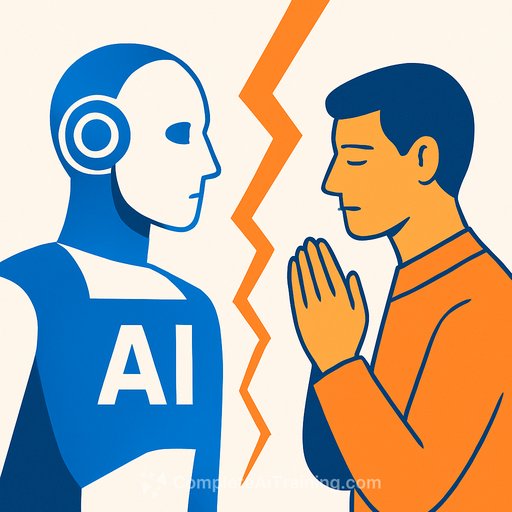
AI video has moved from novelty to omnipresence across Facebook, Instagram, YouTube, X, and TikTok. Major tech and entertainment players are pouring money into Generative Video tools, including high-profile partnerships like Disney's reported $1 billion deal with OpenAI. Yet a Story Radius survey shows a split in how different religious groups feel about this content-something PR and communications teams can't ignore.
Broader public research echoes the caution. Studies from Pew Research Center show Americans are more concerned than excited about AI's effects on daily life, trust, and work (source).
What the Story Radius survey found
- Evangelical, non-denominational, and Protestant respondents skew negative: detractors outnumber enthusiasts about 2 to 1.
- People with no religious affiliation are even more skeptical: roughly 3 to 1 detractors vs. enthusiasts.
- Orthodox and Catholic Christians are more evenly split.
- Respondents from other religions (Islam, Judaism, Buddhism, Hinduism) lean strongly enthusiastic.
- Religious subgroup samples were small, so more research is needed before over-generalizing.
How audiences describe AI video
Open-ended responses point to discomfort with authenticity, emotional manipulation, and the loss of human creativity. People aren't fixated on technical polish-they react to how AI video feels and what it does to trust and immersion. That's a message problem more than a pixels problem.
Why this matters for PR and communications
AI video can boost reach, but the wrong execution can erode credibility-fast. Belief identity can predict sentiment as much as age or politics. If you operate across regions or diverse communities, one-size-fits-all creative is a risk you don't need.
Action plan for comms teams
- Segment by belief signals: Use social listening and CRM fields (self-identified data where available and appropriate) to build simple segments. Test messaging and formats by segment before scaling.
- Adopt plain disclosure: Label AI-generated visuals in captions and on-video. Keep the phrasing simple ("This video uses AI-generated scenes"). Make the label consistent across channels.
- Prioritize human presence: Use real voices, behind-the-scenes footage, and creator interviews to anchor content in human intent and craft.
- Set creative guardrails: No synthetic likenesses of real people without explicit, documented consent. Avoid scenes designed to trigger strong emotion through synthetic manipulation.
- Build a verification workflow: Add provenance checks for incoming footage, watermark where possible, and keep an internal log of AI-assisted assets for audit and press inquiries.
- Crisis readiness: Draft a takedown and clarification playbook for suspected deepfakes. Stand up a verification page where media and communities can check official assets.
- Influencer and partner policies: Require disclosure if collaborators use AI in deliverables. Choose messengers who align with community norms, including faith-based groups when appropriate.
- Measure trust, not just views: Track watch time, completion rate, saves, and comments that mention "fake/real," authenticity, or manipulation. Pair quant with periodic trust surveys.
- Legal and approvals: Add AI checks to your routing sheet (consent, IP, likeness rights, disclosures). Keep templates ready for fast-moving news cycles.
- Experiment with utility formats: Start with low-risk uses (B-roll, simple animations, captioning, translations). Invite feedback directly in captions and community replies.
Budget and resourcing notes
Allocate time for community management wherever AI content runs; thoughtful replies do more for trust than glossy edits. Consider small spends on media for AMA-style explainers with your creators or spokespeople. Vet vendors for consent workflows, watermark options, and transparent model usage.
Useful resources
- Pew Research Center on public sentiment about AI: Americans are more concerned than excited about AI
- Practical tools list: AI tools for generative video
- Skills and roles: AI courses by job function
Bottom line
AI video is everywhere, but trust isn't. If your audience spans different faith identities, plan for mixed reactions. Lead with clarity, consent, and creative choices that respect how people feel-not just what the algorithm favors.
Your membership also unlocks: