Smarter Systems, More Human Hospitality: AI's Role in Independent Hotels
Independent hotels are moving past "try it and see" technology. AI is becoming part of daily operations because it solves the real constraint: too much work, too little time, and no room for errors that hurt guest experience.
The question isn't whether AI belongs in independent hospitality. It's whether you'll adopt it with intent or let competitors turn it into their advantage.
AI isn't the story. Leverage is.
Most properties don't need another dashboard. They need leverage-faster execution with the team they already have, consistent standards, and a guest experience that still feels personal.
Where AI delivers the fastest wins
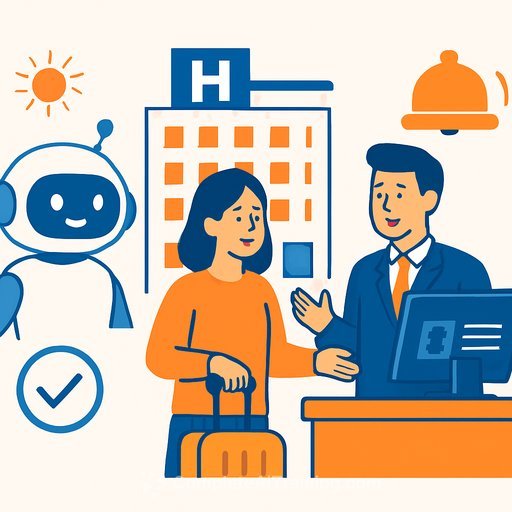
- Guest communication: Messaging and chatbots are the first stop for many independents. On a busy weekend, response time equals revenue, reviews, and trust.
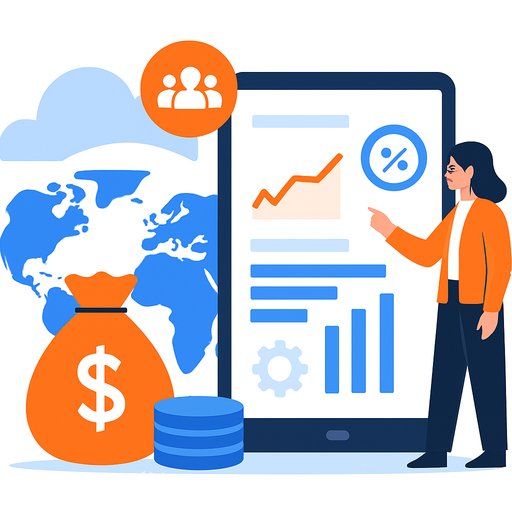
- Pricing and revenue: Markets shift by the hour. AI monitors demand signals, competitor moves, events, and seasonality so you don't live in spreadsheets-or make rate changes at midnight.
Operators report the biggest measurable gain as time saved for staff. That time compounds into better service, sharper decisions, and consistent delivery. Many also see lower operating costs, higher occupancy, and revenue lift.
Results don't take long. Most see meaningful impact within 4-6 months, with a solid share reporting outcomes in 1-3 months. In short: implemented correctly, AI should pay for itself within a season.
Implementation is where winners separate
AI isn't plug-and-play for independents. Tech stacks rarely talk cleanly, teams are lean, and training windows are short. If AI adds friction, it will fail.
The common blockers are clear: limited technical expertise, staff resistance or lack of training, and systems that don't integrate. That's not just a software problem-it's an execution problem.
A simple rollout playbook
- Pick one workflow that bleeds time. Start with guest messaging or pricing. Win fast, prove value, then expand.
- Demand explainability. If a tool can't show why it made a recommendation, it won't earn trust and shouldn't run anything critical.
- Integrate or skip it. If it doesn't connect to your PMS/CRS/RMS and task tools, it becomes another tab no one uses.
- Train like it matters. Short, hands-on sessions. Clear SOPs. Example prompts. What to escalate. How to QA outputs.
- Set success metrics and a deadline. Baseline response times, occupancy, ADR, RevPAR, cost per booking. Review weekly. Decide keep/kill by day 90-120.
Keep the guest experience at the center
The one mistake independents can't afford: making the experience feel generic. Most operators agree-AI must support a personal, human feel.
Use AI for speed, accuracy, and consistency. Keep people responsible for empathy and judgment. Owner feedback shows guests respond positively when AI removes friction and staff stay present.
Practical guardrails that protect your brand
- Voice and tone rules: Load templates and examples that sound like your property. Ban phrases that feel robotic.
- Human fail-safes: Route VIPs, sensitive requests, and complaints to staff. Make escalation simple.
- Data discipline: Limit access, log actions, and review prompts for PII. Ask vendors how data is stored and used.
What to implement next
- Messaging automation: Pre-/in-/post-stay communications, FAQs, late check-outs, upsells, and service recovery templates.
- Rate guidance: AI-assisted pricing with clear rationale, event detection, and comp-set tracking.
- Marketing assistants: Quick copy for OTA listings, emails, local guides, and social posts-reviewed by a human before publishing.
Metrics that keep you honest
- Guest comms: First response time, resolution rate, CSAT/NPS, review mentions of "responsive" or "helpful."
- Revenue: ADR, RevPAR, pickup by segment, forecast accuracy, rate change latency.
- Ops: Ticket resolution time, tasks per staff hour, labor cost per occupied room.
The bottom line
AI won't rescue a weak operation. It will give strong operators leverage: faster workflows, better decisions, and more bandwidth for real hospitality.
Adopt with intention and you do two things at once-run leaner and smarter behind the scenes while protecting what guests actually come for: genuine care, delivered by people.
Resources
- HSMAI resources on revenue optimization
- AI Learning Path for Sales Managers
- Complete AI Training: Role-based AI upskilling for hotel teams
Your membership also unlocks: