FBI Alerts Government Personnel to AI-Generated Voice Scams Impersonating Officials
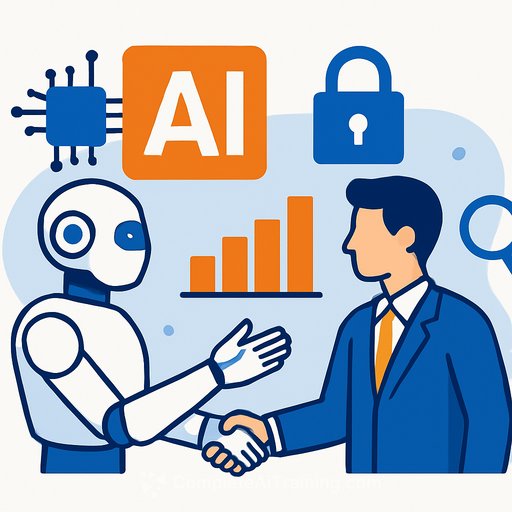
The FBI’s Internet Crime Complaint Center has issued a critical warning about an increase in scams using AI-generated voices to impersonate senior U.S. officials. These attacks mark a significant shift from traditional phishing emails to sophisticated synthetic voice and video impersonations, capable of deceiving even experienced professionals.
Since April 2025, threat actors have combined AI-generated voice messages with text to gain unauthorized access to accounts belonging to government officials and their contacts. These actors pose as senior officials, building trust before sending malicious links or extracting sensitive information.
How the Scams Work
One common tactic involves sending targeted individuals a link disguised as a transition to a different messaging platform. Clicking these links can lead to compromised devices, stolen credentials, or unauthorized access to broader networks. Once a single account is breached, attackers use it to target other officials and their associates, expanding the attack’s reach.
A notable example involved scammers impersonating White House Chief of Staff Susie Wiles. Senators, governors, and business leaders received calls and messages with AI-generated voices resembling Wiles, requesting sensitive data such as presidential pardon lists and financial transfers.
The Threat of Synthetic Media
Deepfake technology uses machine learning to replicate voices with alarming accuracy, making it difficult to distinguish fake from real without forensic tools. While fake videos exist, current schemes rely mostly on voice because it is harder to detect during live or recorded calls.
The FBI highlights two tactics: smishing (malicious SMS or MMS messages) and vishing (voice-based phishing). Both exploit the trust and urgency that come with receiving a direct message from a known authority figure.
Real-World Incidents Highlight the Danger
- In a high-profile case, attackers used a deepfake audio of LastPass CEO Karim Toubba to try to trick an employee into revealing credentials. The employee’s vigilance prevented the breach.
- During the 2024 election, robocalls used a deepfake of President Joe Biden’s voice to suppress voter turnout in New Hampshire, resulting in legal action and fines against the telecom provider involved.
These examples show how AI-generated audio is used beyond fraud, including political manipulation and espionage.
Why This Matters to Government Workers
The FBI’s advisory stresses that these impersonation scams may threaten national security by targeting government officials for financial gain or to extract classified information. The ease of replicating voices using just seconds of audio has lowered barriers for attackers, making this a widespread risk.
Many voice synthesis tools used in these scams are widely accessible or open source, meaning anyone with basic technical skills can deploy them. The goal is often to create a false sense of urgency to prompt quick, unverified actions, such as wire transfers or sharing sensitive data.
How to Protect Yourself and Your Network
The FBI recommends several practical steps to identify and respond to suspicious communications:
- Verify independently: Always confirm the identity of anyone claiming to be a government official via official channels before responding or acting.
- Inspect digital details: Scrutinize email addresses, phone numbers, URLs, and message formatting for anomalies or spoofing.
- Watch for synthetic media clues: Look for visual oddities in photos or videos and listen for unnatural speech patterns, though these signs may not always be obvious.
- Deploy detection tools: Use real-time AI-powered deepfake detection systems at critical communication points to flag suspicious audio or video.
Failing to implement these measures leaves systems vulnerable, akin to leaving your office door unlocked in a high-risk area. Vigilance and technical safeguards are essential for maintaining trust in government communications.
Additional Resources
Government employees interested in strengthening their understanding of AI threats and cybersecurity practices can explore relevant courses and training programs. For example, Complete AI Training’s courses for government professionals offer valuable insights into AI risks and defensive strategies.
Staying informed and cautious is crucial. When you receive unexpected calls or messages from senior officials, take a moment to verify before you engage. The risks of AI-enabled scams are real and growing, but with proper awareness and tools, they can be managed effectively.
Your membership also unlocks: