AI tools are reshaping film production, but studios aren't replacing human creativity yet
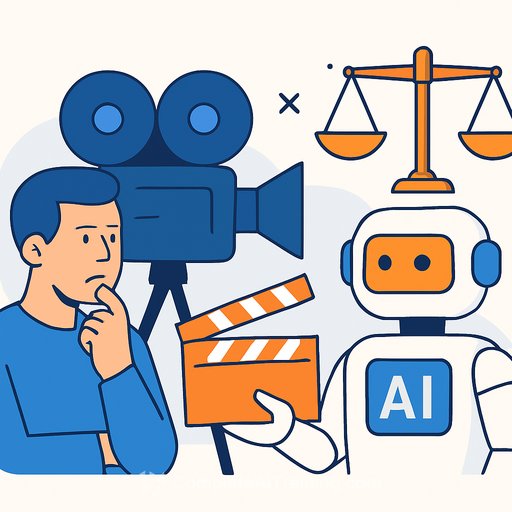
The film industry is grappling with how to use AI video tools without sacrificing creative control or eliminating jobs. The debate intensified at a major conference where veteran director Steven Spielberg rejected AI as a replacement for human storytelling, insisting that creative decisions remain with filmmakers rather than algorithms.
Editors and visual effects workers have reason for concern. Generative video tools are advancing quickly, and Joshua Davies, chief innovation officer at a video platform, acknowledged that questions about job security, copyright, and future production methods are legitimate.
Current limitations keep full automation distant
Today's AI video tools still struggle with complex camera movements and maintaining visual consistency across scenes. These gaps mean the technology cannot yet handle sophisticated filmmaking demands on its own.
Studios are instead using AI to fill specific production gaps-generating footage for scenes that cannot be shot due to time or budget constraints. This support role is where the technology shows practical value without replacing human decision-making.
Lower costs, not job elimination
A recent Super Bowl advertisement demonstrated the potential: fast production at low cost, but only with essential human creative input guiding the process. This pattern is likely to continue as studios integrate AI into existing workflows.
Production costs will drop, but full automation remains unlikely in the near term. Independent creators may benefit most, gaining access to tools that level the playing field against larger studios.
Strong storytelling will continue to define which projects succeed. That requirement keeps human creatives at the center of filmmaking, regardless of which tools they use.
Your membership also unlocks: