Ford's CEO Warns AI Could Eliminate Half of White-Collar Jobs
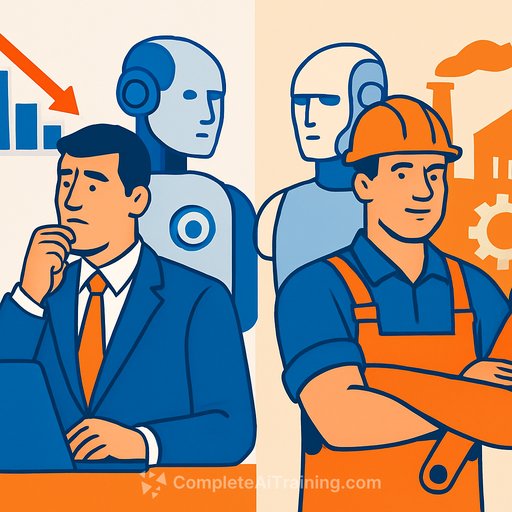
Jim Farley, CEO of Ford, recently cautioned that artificial intelligence might replace up to 50% of white-collar jobs in the United States. Speaking at the Aspen Ideas Festival, Farley highlighted a shift in the job market that favors skilled trades over traditional office roles.
He reflected on his grandfather's journey from an orphan to a lifelong Ford employee, emphasizing that many American families have roots in trades and hourly work. Farley pointed out that the current education system prioritizes four-year degrees while skilled trades receive less attention. At the same time, tech hiring is slowing down considerably.
Executives Sound the Alarm on AI's Impact
Farley is not alone in his concerns. Anthropic CEO Dario Amodei warned that AI could eliminate half of entry-level office jobs within five years. He urged companies and governments to stop downplaying the risks of AI-driven job displacement in technology, finance, law, and consulting.
Similarly, Amazon CEO Andy Jassy has signaled forthcoming corporate job cuts due to generative AI. While Jassy expects new roles in robotics and AI to emerge, he confirms a clear shakeup in traditional white-collar employment.
Contrasting Perspectives from Industry Leaders
Not all executives agree on the extent of AI's impact. Cognizant CEO Ravi Kumar believes AI will create more opportunities for college graduates, especially where human labor complements technology. Nvidia CEO Jensen Huang also expects AI to transform jobs but thinks it will foster creativity and new roles rather than mass displacement.
Shifts in Hiring Trends and Labor Markets
Data shows a decline in job postings for white-collar roles by 12.7% year-over-year in Q1, outpacing an 11.6% drop for blue-collar positions. The tech sector has particularly slowed new graduate hiring by nearly 50% compared to pre-pandemic levels. Analysts link some of this slowdown directly to AI's growing presence.
Meanwhile, younger workers, especially Gen Z, are increasingly turning to blue-collar and skilled trade jobs. Many experts view these roles as safer bets amid AI-related uncertainty in office careers.
What Executives Should Consider
- Reassess workforce planning: Anticipate AI-driven changes by identifying roles vulnerable to automation and reskilling employees accordingly.
- Invest in skilled trades and technical education: Support programs that build competencies beyond traditional four-year degrees.
- Explore AI as a tool, not just a threat: Leverage AI to augment human capabilities and create new job categories.
- Stay informed on labor market shifts: Monitor hiring data and sector trends to adapt talent strategies proactively.
Executives aiming to adapt their organizations to AI’s impact can benefit from focused training on AI technologies and workforce strategies. Resources like Complete AI Training's latest courses offer practical insights for leaders managing this transition.
Your membership also unlocks: