AI-Generated Documents Create New Discovery and Liability Issues for Lawyers
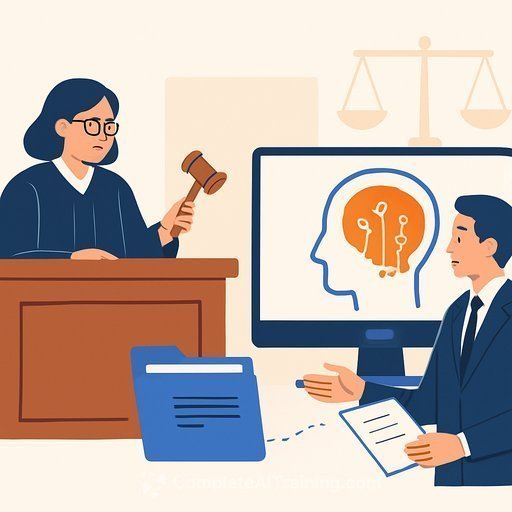
Generative AI is changing how lawyers draft court documents, communicate with clients, and collect evidence. But the technology also introduces a set of problems that courts are only beginning to address: what happens when AI-generated materials enter discovery, or when the AI output itself becomes the subject of litigation.
Former Magistrate Judge Ron Hedges examined these questions in a webinar on generative AI and LLM applications in legal practice. The session covered practical implications for small and mid-size firms adopting the technology.
The Discovery Problem
When lawyers use AI to draft pleadings, motions, or evidence summaries, those documents may need to be produced in discovery. Courts have not yet established clear standards for how to handle or disclose AI involvement in document creation.
The question extends beyond disclosure. If opposing counsel discovers that key documents were generated by AI rather than written by a human attorney, it can affect credibility and trigger disputes over the reliability of the work product.
When AI Becomes the Dispute
In some cases, AI-generated content is not just a tool - it becomes the evidence or argument itself. A lawyer might cite AI-generated case summaries or analysis without verification, creating liability if the AI output contains errors or misrepresentations.
Recent sanctions imposed by the Sixth Circuit on lawyers who submitted fabricated citations in appellate briefs underscore the stakes. Courts are holding attorneys accountable for the accuracy of their filings, regardless of whether AI or human error caused the mistake.
What Lawyers Need to Know
The practical takeaway: AI can accelerate drafting and research, but it does not eliminate attorney responsibility. Lawyers remain accountable for the accuracy, completeness, and honesty of every document filed with a court.
Learn more about AI for Legal professionals to understand how to use these tools effectively while managing risk.
Your membership also unlocks: