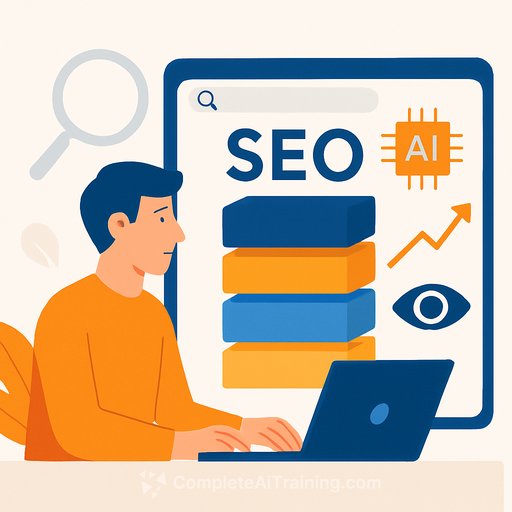
Four-Layer SEO Framework for 2025 Visibility
On June 27, 2025, a new SEO framework was introduced, focusing on four distinct optimization categories to address the evolving AI-powered search environment. The framework breaks modern search optimization into Answer Engine Optimization (AEO), Generative Engine Optimization (GEO), AI Integration Optimization (AIO), and Search Experience Optimization (SXO).
This approach highlights how traditional SEO no longer covers all visibility needs in today's AI-driven search landscape. As stated, "Every drop of visibility you're losing falls into one of these buckets."
Framework Overview
- Who: Madhav Mistry, a Toronto-based digital marketing strategist specializing in social media marketing and brand growth.
- What: A detailed four-layer SEO framework categorizing modern search optimization into AEO, GEO, AIO, and SXO.
- When: Announced June 27, 2025, via LinkedIn, gaining traction in the marketing community.
- Where: Shared on LinkedIn and professional networks, targeting global marketing and SEO professionals.
- Why: To respond to shifts in search technology and user behavior influenced by AI, zero-click searches, and expanded optimization needs.
With AI search visitors converting 4.4 times better than traditional organic traffic, optimizing for AI-powered systems is now critical for marketing success.
Answer Engine Optimization (AEO): Capturing Zero-Click Traffic
AEO targets featured snippets, voice search, and AI-generated answer boxes. Success here depends on structured data markup, clear FAQ formatting, and entity clarity to improve visibility in zero-click results.
Key AEO tactics include:
- Implementing schema markup to enable search engines to extract and display information directly.
- Crafting concise, authoritative answers designed for snippet extraction.
- Optimizing for voice search by targeting conversational and question-based queries.
As users increasingly seek immediate answers, optimizing for natural language and voice queries becomes essential.
Generative Engine Optimization (GEO): Earning AI Citations
GEO focuses on positioning content to be cited by AI systems like ChatGPT, Perplexity, and Google's Search Generative Experience. This involves prompt matching, citation hooks, and creating topical content clusters.
Effective GEO requires:
- Producing fact-based, verifiable content with authoritative sources to increase citation likelihood.
- Structuring content in standalone chunks, enabling AI to synthesize information accurately.
- Anticipating user queries to align content with AI prompt interpretations.
This chunk-level content optimization differs from traditional page-based SEO ranking and demands tailored content strategies for AI citation.
AI Integration Optimization (AIO): Scaling with Automation
AIO addresses the challenge of scaling SEO through AI and automation tools. It includes AI-assisted content drafting, workflow automation, and programmatic SEO.
Core AIO strategies involve:
- Automating tasks like brief generation, content republishing, and editorial planning to reduce manual work.
- Using template-based processes to maintain quality while boosting output.
- Leveraging programmatic SEO to create thousands of optimized pages automatically, ideal for ecommerce and data-driven sites.
- Repurposing content into multiple formats for different channels using AI tools.
This approach helps content teams maintain consistency and quality at scale.
Search Experience Optimization (SXO): Bridging Visibility and Conversion
SXO combines SEO with user experience improvements to increase engagement and conversions. It focuses on page speed, mobile optimization, scroll depth, and matching content to user intent.
Important SXO elements include:
- Prioritizing fast loading times—websites should load within two seconds to retain users.
- Optimizing mobile usability with smooth navigation and touch-friendly design.
- Aligning content with user search intent to reduce bounce rates and improve rankings.
- Implementing clear call-to-actions that guide users toward desired outcomes.
User behavior metrics like bounce rate and time on site now impact search rankings, making SXO a key factor for marketing ROI.
Discussion on SEO Terminology
The new acronyms (AEO, GEO, AIO, SXO) have sparked debate. Industry voices suggest expanding the definition of SEO instead of introducing new terms. One alternative term proposed is "Search Everywhere Optimization," which retains the familiar three-letter format while covering broader optimization needs.
This debate reflects the growing demand for visibility across diverse platforms including YouTube, Reddit, Pinterest, and AI language models.
Technical and Measurement Challenges
Implementing this framework requires updating SEO workflows and analytics systems. Tracking performance across AI systems, featured snippets, voice search, and traditional rankings calls for complex attribution models.
Users often interact with brands across multiple touchpoints before converting, so unified tracking and reporting are essential. Recent resources like the AI Search Content Optimization Checklist and recommendations from Bing’s development team emphasize the need for comprehensive content audits and ongoing optimization.
Conversion Rate Optimization Focus
The SXO layer highlights conversion gaps often missed by traditional SEO. AI search visitors show notably higher conversion rates, underlining the value of optimizing for AI-driven channels.
Technical performance impacts rankings—Google’s Core Web Vitals and page speed metrics, for example, influence visibility. Optimizing calls to action and user pathways supports turning traffic into meaningful business results.
Implications for Marketing Teams
Adopting this framework means shifting budget allocations, updating team skill sets, and evolving content workflows. Each optimization pillar demands specific expertise and tools, from AI-focused content creation to voice search understanding and UX design.
Marketing teams must balance investments across snippet optimization, AI citation building, automation tools, and conversion-focused UX improvements. This approach aligns with broader trends in AI adoption and automation in marketing.
Key Dates and Developments
- January 5, 2025: Analysis highlights SEO professionals’ role in generative AI visibility.
- May 15, 2025: Bing team shares content audit strategies for AI search optimization.
- May 20, 2025: Google expands AI Mode access in the U.S.
- May 29, 2025: Debate over SEO terminology intensifies with calls to expand rather than replace SEO acronyms.
- June 16, 2025: Release of AI Search Content Optimization Checklist outlining key AI SEO tactics.
- June 27, 2025: Introduction of the four-layer SEO framework addressing AEO, GEO, AIO, and SXO.
Marketing professionals looking to stay ahead in AI-driven search environments should consider integrating these four optimization categories into their strategies.
Your membership also unlocks: