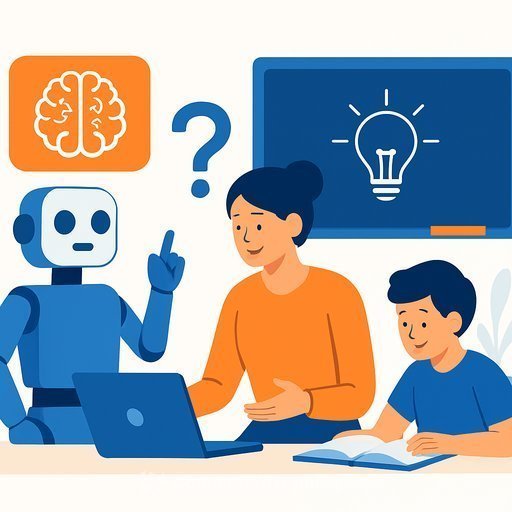
UK to roll out free AI tutoring tools to close the attainment gap
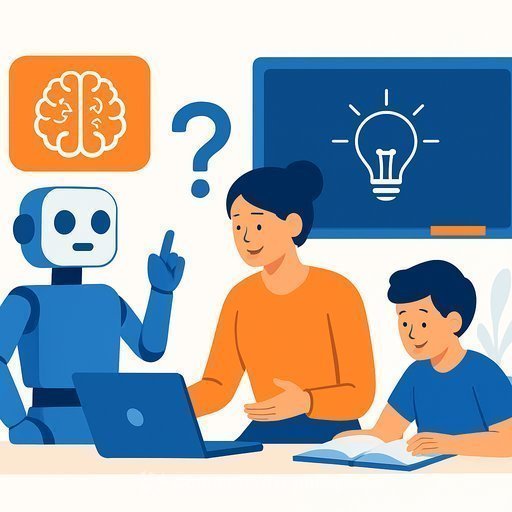
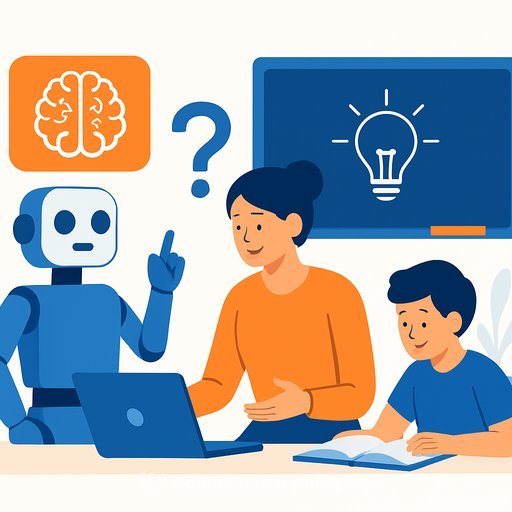
The UK government is partnering with teachers and industry to develop AI tutoring tools that offer one-to-one learning support in schools. The aim is simple: remove cost as a barrier and help students who currently miss out on specialist support.
DSIT estimates around 450,000 pupils aged nine to 11 from disadvantaged backgrounds could benefit, based on free school meals data. Private tutoring can move learning on by around five months, but access is uneven-these tools are meant to narrow that gap.
What the policy promises
Government-backed AI tutors will be aligned to the national curriculum and provided free to schools. The focus is on effective learning, strong safety standards, and teacher control.
- Smart practice: pinpoint gaps, suggest next steps, and nudge students through sticking points.
- Curriculum alignment: built with teachers to fit classroom plans and standards.
- Teacher-in-the-loop: tools support instruction, not replace it.
- Safety and evaluation: rigorous testing, benchmarking, and ongoing feedback from classrooms.
Department for Science, Innovation and Technology (DSIT) says the tools will help create a fairer baseline for learning access. Alignment will be guided by the national curriculum.
Timeline
- Summer 2026: trials in secondary schools with teacher feedback and evaluation.
- By end of 2027: tools available for free across schools.
- Support measures: training for education providers, benchmarking frameworks, and clear safety standards.
Policy context
This move sits alongside broader measures to improve digital safety and learning outcomes, including phone bans in schools, guidance on screen time for under-fives, and a £23m EdTech Testbed pilot for 1,000 schools and colleges to trial AI tools.
Voices from government
Education secretary Bridget Phillipson said the goal is to break the link between background and outcomes. She emphasised that AI tutors must be safe, improve learning, and never replace the human connection that great teachers provide.
Technology secretary Liz Kendall said the work will help level the field for children who can't afford private help, with safe, effective tools in schools by the end of 2027.
What this means for schools and trusts
If you lead a school, MAT, or LA team, start preparing now. Treat this like any core learning system: plan, pilot, secure, measure.
- Curriculum fit: map expected tool capabilities to schemes of work and assessment plans.
- Safeguarding: define rules for student interactions, escalation paths, and content filtering.
- Data protection: run DPIAs, set retention policies, and ensure UK GDPR compliance from day one.
- Access and equity: prioritise cohorts with least access at home; plan device and connectivity support.
- Teacher enablement: schedule ongoing CPD, create simple playbooks, and nominate champions per department.
- Pilots: start small, compare against control groups, and review results before scaling.
- Procurement: prefer solutions with clear audit logs, role-based access, and transparent model behaviours.
Guidance for edtech and delivery partners
- Safety by default: age-appropriate safeguards, prompt and output controls, and incident reporting.
- Evidence: measure impact on attainment, engagement, and teacher workload with reproducible methods.
- Interoperability: support common data formats, SSO, and MIS integration to reduce admin load.
- Accessibility: WCAG compliance, offline/low-bandwidth modes, multilingual support where needed.
- Transparency: explain limitations, show how recommendations are generated, and allow teacher overrides.
- Governance: provide audit trails, versioning of models/prompts, and clear routes to disable features.
Safeguarding and data protection essentials
- Minimise data: avoid unnecessary personal data; prefer on-device or pseudonymised processing where possible.
- Consent and clarity: publish student/parent notices on data use and retention.
- Controls: set boundaries for content types, time-of-day access, and escalation to staff.
- Monitoring: log interactions for safety review while protecting student privacy.
Measuring impact that matters
- Learning: progress against baseline, topic mastery, and spillover effects on related subjects.
- Equity: outcomes by pupil premium status, SEND, EAL, and gender.
- Workload: time saved for teachers/TAs on planning, marking, and interventions.
- Engagement: session completion, on-task behaviour, and attendance signals.
Action checklist
- Nominate a school lead (SLT + IT) and form a small working group with safeguarding.
- Audit devices, connectivity, and classroom setups for pilot environments.
- Draft policies: usage, data handling, acceptable content, and escalation.
- Define pilot success criteria and agree metrics before tools arrive.
- Plan CPD cycles and teacher coaching to embed practice, not just train features.
Upskill your teams
If you need structured training for teachers, IT leads, or curriculum designers, explore role-based learning paths and current AI courses:
Bottom line: free, safe AI tutoring-built with teachers-could extend one-to-one support to hundreds of thousands of students. The schools that benefit most will be the ones that prepare policy, infrastructure, and training ahead of the 2026 trials.
Your membership also unlocks: