
AI news ·
French domestic intelligence agency begins multi-year move from Palantir to ChapsVision
France's intelligence agency is replacing Palantir with local firm ChapsVision to secure data control. The transition is backed by €655 million in new domestic AI funding.
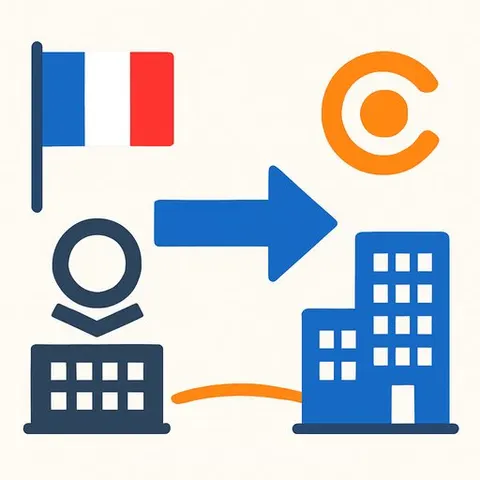
France's domestic intelligence agency, the DGSI, plans to replace Palantir's data analytics software with tools from French firm ChapsVision. The government frames the move as essential for national security and technological independence, reflecting a wider European effort to cut strategic reliance on US technology providers.
A multi-year transition
The agency has used Palantir's data mining tools since 2016. The contract was renewed in late 2025, and Palantir will remain in place while ChapsVision's platform is integrated. Officials expect the switch to take several years.
Prime Minister Sébastien Lecornu said France must avoid "strategic dependencies" in artificial intelligence. He warned against relying on tools from foreign powers that could restrict access. "We must use our own AI models; we cannot accept new strategic dependencies in the digital sphere," Lecornu wrote on X. "We cannot rely on tools developed by foreign powers. France must have its own tools."
Europe's sovereignty push
The timing of the announcement may have been shaped by the Trump administration's decision to limit foreign access to Anthropic's latest AI models. Yet the move continues a pattern among European governments shifting from US-owned platforms to local alternatives. Deteriorating US-EU relations have stoked fears of kill switches and legislative overreach, pushing governments to prioritise control and resilience alongside capability.
Germany's domestic intelligence service, the BfV, recently chose ChapsVision's ArgonOS over Palantir. France is reinforcing the strategy with €655 million in new AI funding for domestic players including Mistral and ChapsVision. This trend reflects a growing focus on AI for Government, where strategic autonomy and data control are becoming paramount.
UK concerns mount
Palantir also faces scrutiny in the UK. The company won a £330 million NHS contract to build data integration platforms, but MPs raised alarms after external staff accessed identifiable patient data before it was pseudonymised. Patient groups and medics warned about a lack of consultation, and the contract is now under review.
Defining true sovereignty
Sachin Agrawal, managing director for Zoho UK, said the French decision signals a deeper rethinking of what sovereignty means in the AI era. "True sovereignty is not simply about where data is stored, but who controls it, who can reach it, and whether that answer is transparent," he said. "France will likely not be the last European country to question its dependence on US cloud infrastructure, in favour of greater certainty around regulatory oversight and governance standards, and ensure organisations have stronger control over how their information is managed."
Why this matters for Government
Governments across Europe are treating AI infrastructure as a national security issue, not just a procurement choice. The shift away from Palantir in France and Germany shows that sovereignty now extends to data control, algorithmic transparency, and the ability to audit foreign-built systems. For policy professionals navigating these shifts, an AI Learning Path for Policy Makers can provide structured guidance on the strategic and regulatory aspects of AI adoption. Decisions about which tools to deploy increasingly carry diplomatic and operational risk, demanding a clearer understanding of who controls the software that intelligence and health agencies depend on.