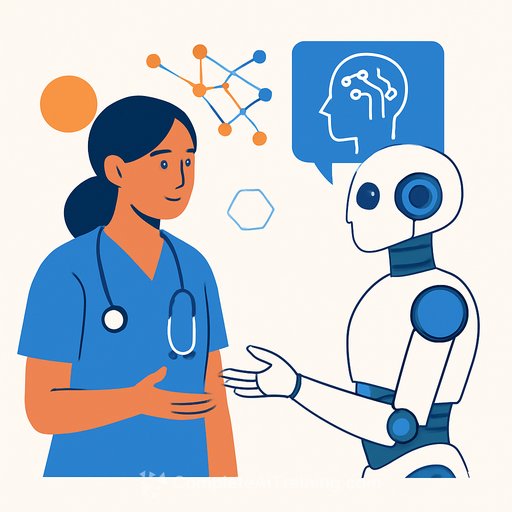
Day-One, Practice-Ready: Preparing New Nurses for AI-Enabled Care
In 2003, a new BSN graduate walked into a hospital that felt analog. By 2026, that same unit runs on smart monitoring, AI-supported workflows, and robotics. It can feel "Jetsons-like" compared with early 2000s care. The core traits of a great nurse haven't changed - the job has. Education has to catch up.
The urgency: retention and readiness
Hospitals are short on staff and struggling to keep new hires. Nearly one-quarter of new nurses leave within the first year, and one-third within two years. That's a signal: the current curriculum isn't matching the realities of patient care plus technology.
Workforce pressure isn't easing. The HRSA Health Workforce Analysis projects a shortage of more than 63,700 full-time RNs by 2030. The solution starts in the classroom.
AI is in the building - and in the classroom
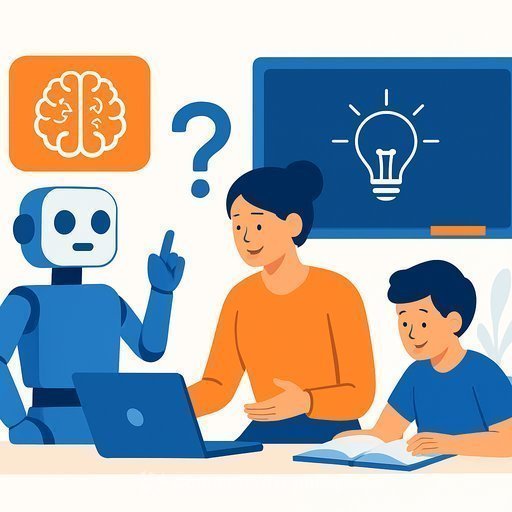
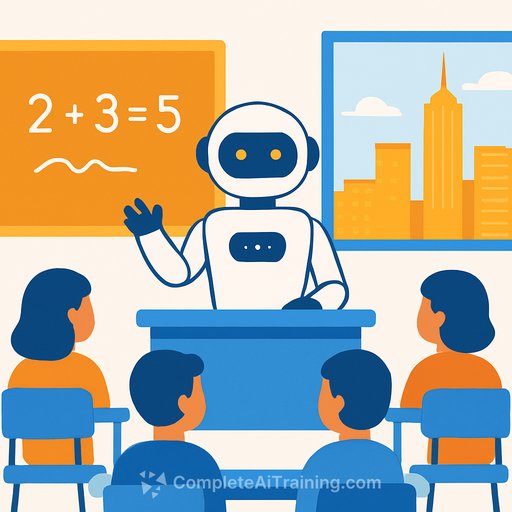
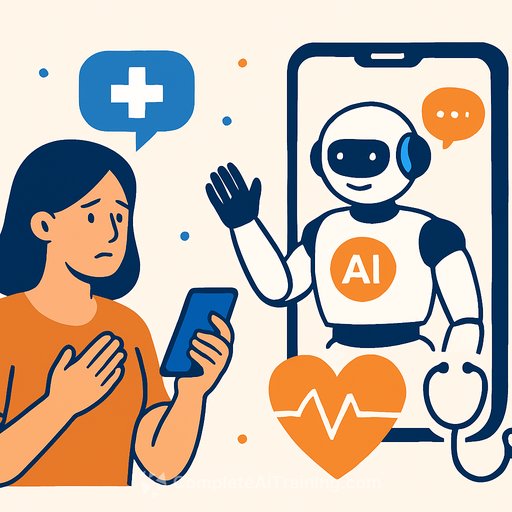
Hospitals already use AI for documentation support, decision support, and smart monitoring. Public universities are now licensing AI tools campus-wide, giving students and faculty structured access. The earlier students practice with real tools, the stronger their confidence and clinical judgment.
What hospitals expect from new grads
- Use AI and digital tools safely, confidently, and within scope.
- Prioritize clinical judgment; treat AI as input - not the decision-maker.
- Document accurately with or without AI assistance, and disclose tool use when required.
- Interpret data from smart monitors and act on changes in patient status.
- Protect PHI, know data flows, and recognize bias or faulty outputs.
- Escalate when technology conflicts with the clinical picture.
Four strategies for educators
1) Integrate technology thoughtfully. Position AI as a tool that supports clinical judgment and proven teaching methods. It enhances experiential learning and patient outcomes - it doesn't replace fundamentals.
2) Invest in focused training and support. Confidence drives adoption. Give students hands-on time with AI documentation, simulation, and EHRs before clinicals so the first hospital shift isn't their first exposure.
3) Embed innovation into curriculum and systems. Don't relegate AI to electives or pilots. Build it into courses, clinical workflows, and governance so it reflects how hospitals adopt and scale tools.
4) Measure, share, and adapt. Track outcomes, gather feedback, and publish results. Evidence builds credibility and accelerates improvement across programs and partner hospitals.
Build this into your curriculum this year
- Simulation stack: Pair high-fidelity sims with EHRs, smart pumps, and AI-enabled documentation. Run scenarios that require action when AI is incorrect.
- AI literacy mini-course: What the tools do, where they fail, bias and hallucinations, PHI rules, prompt discipline, and documenting clinical rationale.
- Clinical judgment first: Teach students to verify with vitals, labs, and assessment - then decide. Require SBAR handoffs that note when AI was used.
- Faculty upskilling: Protected sandbox hours, teaching checklists, and competency rubrics for technology use.
- Program governance: Clear acceptable-use policy, auditability, disclosure standards, and consequences for misuse.
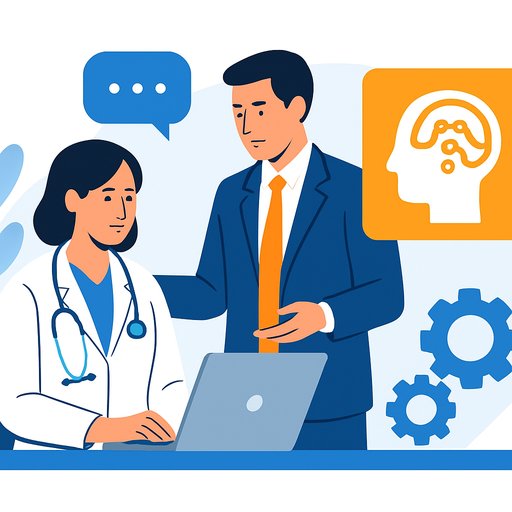
- Hospital alignment: Match classroom tools to local hospital tech stacks where possible; co-design scenarios with clinical partners.
Assessment that proves readiness
- Safety/quality: Near-miss reporting, escalation timing, adherence to protocols.
- Documentation: Accuracy, completeness, and clarity with/without AI assistance.
- Clinical judgment: OSCEs that test decisions when AI helps, is neutral, or is wrong.
- Workforce outcomes: Orientation hours to independence, preceptor ratings, 12- and 24-month retention.
- Digital competence: EHR proficiency, device use, and responsible AI use.
For hospital leaders: help schools build day-one readiness
- Share access (or emulated access) to your EHR, smart monitors, and documentation tools for education use.
- Co-fund simulation seats and faculty development; offer preceptor training on coaching with technology.
- Define the expected competencies for new grads and co-create assessment rubrics.
- Provide feedback loops with outcome data by cohort to refine curricula each term.
Recommended resources
- AI for Education - Practical guidance for embedding AI into teaching, simulation, and assessment.
- AI for Healthcare - Use cases and training insights for clinicians working alongside AI and smart systems.
The big picture
Preparing day-one, practice-ready nurses isn't optional. Early exposure to AI and hospital tech produces clinicians who make sound decisions, move confidently through complex care, and deliver better outcomes.
Keep the fundamentals. Add meaningful, hands-on technology. Measure results and iterate. That's how schools and hospitals close the readiness gap - and keep new nurses growing, not leaving.
Your membership also unlocks: