AI, Equity, and Workforce Readiness: What Educators Can Do Now
AI is changing how students learn, how we teach, and what "entry-level" even means. A recent Table of Experts brought together Bay Area higher-ed leaders who were clear on one thing: collaboration with industry, responsible use of AI, and human-centered learning are no longer optional. They're the work.
Here's a concise take on where AI is pushing higher education-and concrete moves you can make this term.
Equity and Access: The double-edged tool
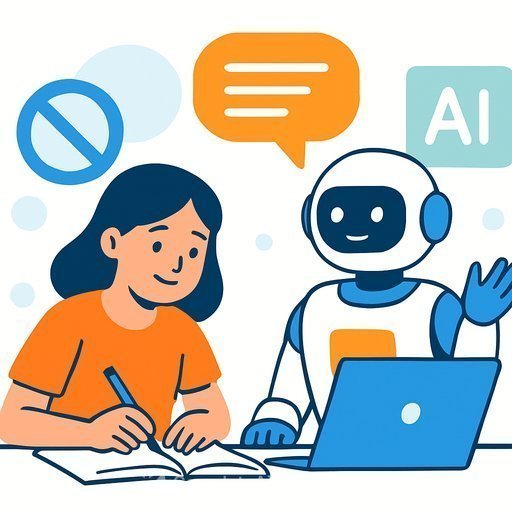
AI can amplify bias baked into training data and reward those with better access to tools. It can also widen the digital divide. At the same time, it can provide personalized support, tutoring, and new pathways for students who've been underserved.
San José State University is addressing access directly by offering institution-provided AI accounts and backing student-led tools like Study Genius Pro-a study assistant, planner, and quiz generator built through an AI for Social Good project. San Francisco Bay University is testing AI avatar professors inside closed systems to manage bias and expand reach while keeping human faculty in the loop.
- Action: Provide institution-managed AI accounts and clear usage guidelines for faculty, staff, and students.
- Action: Stand up an AI help desk or peer coaching model to reduce the access and confidence gap.
Ethical guardrails: Set them early, refine them often
Closed systems, human oversight, and clear norms matter. Leaders are advancing standards through events on human-machine teaming and responsible AI, bringing together experts from ISO/IEC, Intel, NSF, IBM, and AIST to keep AI human-centered and inclusive.
- Action: Align your policy with recognized frameworks such as the NIST AI Risk Management Framework and relevant ISO/IEC work on AI.
- Action: Require human-in-the-loop review for advising, grading, and high-stakes decisions.
Curriculum: Build durable skills, not tool tips
Institutions are reworking cores to be multidisciplinary and aligned with industry-validated outcomes: critical thinking, analysis, collaboration, leadership, and AI literacy. SJSU launched a Human-Centered AI certificate (with a minor and major in development), is redesigning writing courses to include ethical authorship with AI, and offers an AI Literacy Essentials course.
- Action: Embed AI literacy, prompt quality, and ethical use into first-year writing and capstones.
- Action: Use industry-sourced problem statements (hackathons, sprints) for applied learning.
- Action: Grade process as much as output-require model cards, citation of AI assistance, and reflection on limits.
Prompt use, judgment, and creativity
Students need to know when to use AI, when not to, and how to check its output. Prompt literacy, ethical reasoning, and creativity become core. The question isn't "Should students use AI?" It's "Can they use it to think better and produce work they can defend?"
- Action: Teach prompt patterns (role, constraints, examples) and verification steps in every discipline.
- Action: Make originality a teaching goal: compare AI-generated drafts to human revisions and explain the choices.
Entry-level is changing: Give students real reps
If routine work moves to AI, entry-level roles demand higher-order thinking on day one. That means more practice with evaluation, analysis, and creating new solutions-especially for first-gen and diverse students who may lack informal networks.
- Action: Replace two low-impact assignments with one client-style brief, structured feedback, and a short postmortem.
- Action: Expand micro-internships, community projects, and industry-reviewed portfolios.
Partnerships: Co-build with industry, keep foundations strong
The gap between campus and career is closing. Faculty don't lose ownership by partnering; they gain better inputs. Examples: NVIDIA trained SJSU faculty on digital twinning with Omniverse, with plans to bring it into coursework. Similar work is underway with IBM and Adobe to teach critical AI tools and competencies.
- Action: Form a quarterly advisory with 6-10 hiring managers to validate outcomes and assignments.
- Action: Co-develop rubrics with industry for communication, teamwork, and decision quality.
Classroom practice: Assume AI is in the room
Students will use AI whether it's in your syllabus or not. Redesign assessments to encourage AI-assisted learning with integrity. Make the human value clear: sense-making, judgment, and the ability to work well with others.
- Action: Use "AI-allowed, cite it" policies, then assess reasoning steps and evidence, not just final answers.
- Action: Add small-group studios (20 or fewer) for feedback, coaching, and community.
Human mentorship still matters
AI will handle a lot of content tutoring and basic advising. Humans should focus on belonging, values, identity, career clarity, and networks. That's what keeps students engaged and graduating.
- Action: Shift routine Q&A to AI chat for courses; redirect faculty time to mentorship and small-cohort sessions.
- Action: Offer peer-led communities for first-gen and transfer students, supported by faculty coaches.
Bottlenecks to expect-and how to move through them
Common obstacles: pace of change, time to redesign courses, uneven comfort with AI, and limited funding. Some leaders called out structural issues-tenure culture as a brake, low workload expectations, and misaligned spending priorities. Students face time constraints too: work, commute, and caregiving make co-curricular access uneven.
- Action: Fund summer or mini-sabbatical course redesign sprints with templates and instructional design support.
- Action: Centralize AI guidance, exemplars, and reusable assignments in a shared repository.
- Action: Offer all major events and hackathons in hybrid/async formats to include commuters and working students.
- Action: Reinvest in mental health and advising; track retention against support usage.
30/60/90-day plan
- 30 days: Publish a campus AI use policy, sample assignment language, and a citation standard. Stand up a basic faculty AI clinic (office hours + FAQ).
- 60 days: Pilot AI-supported sections in writing and one high-enrollment course. Launch a small industry advisory to review two programs' outcomes.
- 90 days: Run a weekend challenge with industry problem statements. Collect student portfolios, faculty feedback, and employer input; revise syllabi for next term.
Helpful resources
- NIST AI Risk Management Framework (policy baseline)
- ISO/IEC AI Standards activity (standards alignment)
- Complete AI Training: Courses by job (quick way to source AI literacy options for faculty and students)
- Prompt engineering resources (materials for workshops and assignments)
The throughline is simple: give students access, teach them to think with AI, keep humans focused on mentoring and community, and build with industry. Do that, and your graduates won't be "prepared for AI"-they'll be valuable contributors from day one.
Your membership also unlocks: