From anti-plagiarism AI to teacher bonuses: Moldova's strategic roadmap for educational integrity
Published 07.03.2026
Moldova's "Education 2030" implementation plan is clear about two things: end systemic corruption and modernize how schools teach and operate. The government is allocating about €772 million (15.14 billion MDL) through 2030 to get it done.
Right now, parents contribute over €1.68 million (approx. 33 million MDL) to schools each year, and nearly two-thirds of that is informal. The Ministry of Education and Research (MEC) is moving that money into the open with a national awareness campaign and a transparent, anonymous e-payment system for legal school support.
Why integrity is front and center
A CIVIS Center study shows parents are asked to contribute to school associations an average of 2.6 times per year, while informal payment requests occur 2.9 times annually. In higher education, 36% of students say past corruption complaints went unresolved.
The response: a "Zero Tolerance for University Corruption" campaign, paired with a formal channel for payments and oversight. The goal is simple-shut down off-the-record transactions and make accountability normal.
Digital-first teaching and academic integrity
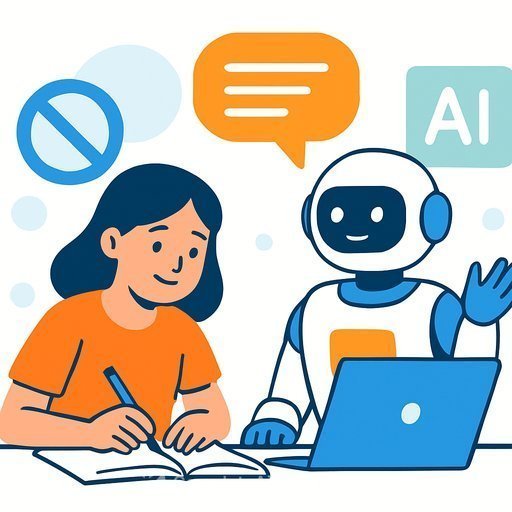
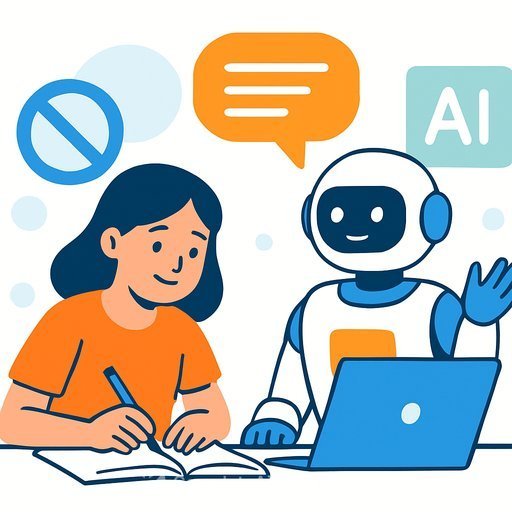
The strategy sets a high bar: 100% of graduates should reach at least B1-level digital proficiency, aligned with European competence standards like DigComp. Anti-plagiarism software will be deployed across all higher education institutions to keep academic work authentic.
On the classroom side, a national AI program will roll out 3,000 digital content modules and train a network of 1,000 mentors to support 25,000 teachers. This isn't theory-it's a plan to embed digital tools into daily instruction and assessment.
- Set clear AI-use policies for assignments (what's allowed, what's not, and how to cite).
- Redesign high-risk assessments (add drafts, process logs, short oral defenses).
- Stand up a mentor model in your institution so teachers have real-time support.
If your team needs a structured upskilling path, see the AI Learning Path for Teachers.
For digital competence benchmarks, review the EU's DigComp framework here.
Aggressive incentives to attract new educators
Teacher shortages are being met head-on. In 2025, a record 426 graduates entered the profession, backed by a €10,200 (200,000 MDL) relocation bonus and doubled scholarships for education majors.
New teachers get a 25% reduction in teaching loads for the first five years. Those who choose rural placements receive full housing and utilities compensation. By 2030, the "Invest in Educators" program targets 30,000 professionals, with a 50% increase in bonuses for high-demand subjects like Mathematics and Physics.
- Publish a clear benefits sheet for candidates (bonuses, load reductions, rural support).
- Pair every new hire with a trained mentor and a reduced-load plan on day one.
- Prioritize math and physics recruitment pipelines with dedicated incentives.
Funding and partnerships
The 2026-2030 budget is projected at €772.4 million. About €306 million (6 billion MDL) will come from the state budget, with the remainder expected through partnerships with international development agencies.
For leaders, that means planning multi-year projects with co-financing in mind: digital content production, mentor training, integrity systems, and rural housing support should all be scoped with sustainability and reporting built in.
What school leaders and faculty can do now
- Shift all parent contributions to the official e-payment system; publish class funds and purchasing reports each term.
- Update syllabi and student handbooks with integrity and AI-use policies; standardize citation rules for AI-assisted work.
- Pilot anti-plagiarism workflows in 1-2 departments first; train faculty on interpreting similarity reports.
- Stand up a mentor network (ratio target: 1 mentor per 20-25 teachers) and schedule monthly clinics on AI in lesson design.
- Redesign assessments to value process and original thinking (scaffolded drafts, reflective notes, project checkpoints).
- Set recruitment targets by subject and region; bundle incentives with housing and onboarding guarantees.
Metrics to watch
- Share of parent transactions handled through the e-payment system.
- Resolution rate and time-to-resolution for corruption complaints.
- Number of teachers trained via the mentor network; classroom adoption rates of digital modules.
- Student digital proficiency attainment relative to B1-level targets.
- Teacher retention after years 1-5; hires in Mathematics and Physics.
The bottom line
This plan tackles the two levers that move an education system fast: trust and teacher capacity. Clean finance and clear rules build the first. Real training, usable content, and fair pay build the second.
If you lead a school or faculty, start with payments, policies, and pilots. The rest scales once people see it working.
Your membership also unlocks: