Lesufi sets bold vision for AI-driven education in Gauteng
At a Ministerial Breakfast hosted at the MTN Innovation Centre in Johannesburg, Gauteng Premier Panyaza Lesufi laid out a clear plan to bring technology and artificial intelligence into every classroom. His message to education leaders and industry was simple: connect schools, equip teachers, and modernize learning spaces.
"I call on industry players, including telecom giant MTN and other tech sector companies, to partner with the education system to achieve universal connectivity in schools," said Lesufi. The goal is to move beyond shortages of water, electricity, and sanitation-and focus on data access, digital devices, and free Wi-Fi where students learn.
He added that traditional tools must make way for digital ones. "The vision includes retiring traditional classroom tools like chalkboards and erasers, consigning them to museums, and replacing them with smartboards, laptops, and tablets."
Lesufi also pressed for solutions to long-standing barriers: overcrowded classrooms and too few desks. Every learner, he emphasized, deserves a modern, well-equipped space to learn.
What this means for educators and school leaders
- Connectivity first: audit coverage and bandwidth per classroom, set minimum service levels, and close gaps through district and ISP partnerships.
- Devices with a plan: phase rollouts, start with shared carts where needed, and invest in charging and storage to protect uptime.
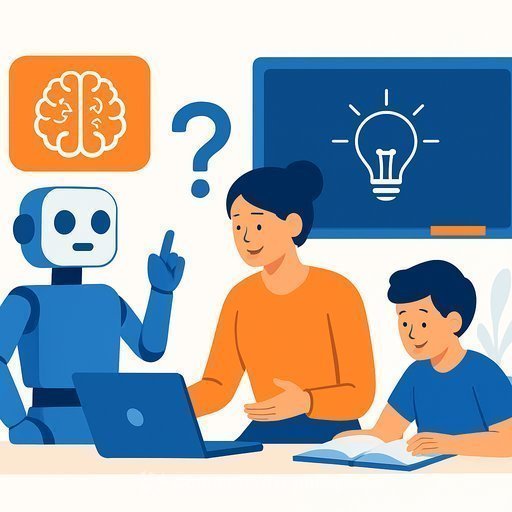
- Teacher development: build AI literacy with short, practical training; use peer coaching; run classroom pilots with clear goals.
- Responsible use: protect student data, set age-appropriate use, and define rules for attribution, plagiarism, and assessment integrity.
- Teaching practice: use smartboards and tablets for quick checks for understanding, differentiated tasks, and accessibility (captions, Text-To-Speech, larger fonts).
- Capacity relief: adjust timetables, use flexible grouping, and deploy mobile or temporary classrooms while facilities are upgraded.
- Partnerships that stick: formalize support with telecoms and tech firms for connectivity, maintenance, and ongoing training.
Near-term actions (next 90 days)
- Map each school's connectivity and device ratios; publish a simple dashboard for staff and district leaders.
- Pilot 2-3 AI tools for clear use cases (lesson planning, feedback, formative assessment) with defined success criteria.
- Train a small team of teacher champions and give them time to coach peers.
- Draft a one-page responsible AI guideline aligned with existing ICT and assessment policies.
Guardrails to keep equity at the center
- Zero-rated access for key learning platforms where possible.
- Offline-first content packs for schools with unstable internet.
- Repair-and-reuse programs to stretch device budgets and keep spares on hand.
- Learner support: device loaners, after-school connectivity hubs, and accessible formats for diverse needs.
Lesufi's call is direct: connect every classroom, replace outdated tools, and fix overcrowding so teaching and learning can move forward. For school teams, this is the moment to turn partnerships into workable projects that deliver results this year.
For practical policy and classroom guidance, see UNESCO's guidance on AI in education: UNESCO guidance. For models on connecting schools at scale, explore the Giga initiative by UNICEF and ITU: Giga.
If you're planning staff upskilling in AI, see an AI Learning Path tailored for teachers: AI Learning Path for Primary School Teachers.
Your membership also unlocks: