Teaching PR with real scenarios, AI fluency, and social impact
What does effective PR education look like right now? Assistant Teaching Professor Arien Rozelle makes it hands-on: students apply theory in live scenarios and work with real clients so they leave with judgment, not just jargon.
This approach, highlighted on Newhouse Impact, covers the fundamentals - key messaging, target audiences, media relations, and reputation repair - then pushes into social causes and nonprofit work where stakes are high and budgets are tight.
Real clients, real stakes
Simulations are useful. Live clients are better. Rozelle pairs students with organizations who need clear messaging, outreach strategy, and crisis planning - so students see how decisions play out beyond the classroom.
- Messaging sprints: boil complex ideas into one clear narrative and two supporting messages.
- Audience maps: define priority segments, channels, and proof points.
- Media systems: build source lists, outreach angles, and follow-up cadences.
- Crisis drills: draft holding statements, FAQs, and escalation trees.
- Measurement: set simple, comparable metrics from day one.
Social impact work needs pro-grade PR
Many cause-driven groups run on heart and hustle. They still need disciplined comms. The same playbook that promotes a product can protect a mission: align message to values, pick channels with intent, and keep a tight feedback loop with stakeholders.
Projects like campaign kits for local nonprofits or communications planning for social movements show students a wider path for a PR career - agency, in-house, or mission-driven roles that value clear thinking and consistent execution.
AI is changing the work-and how it's taught
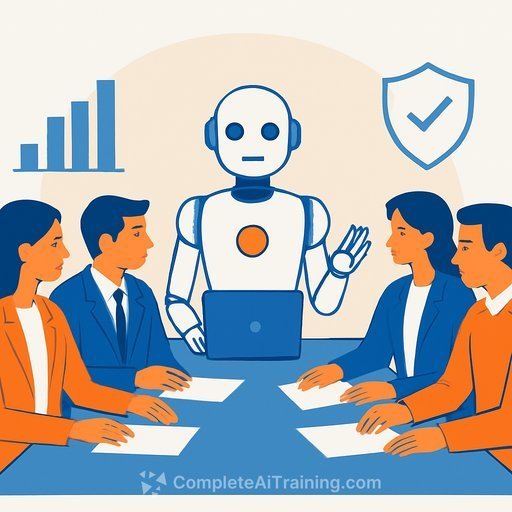
Rozelle addresses AI head-on: treat it like an assistant, not an autopilot. Use it to draft options, summarize research, stress-test scenarios, and monitor media - but keep a human in control for accuracy, tone, and ethics.
- Start with a brief: objective, audience, tone, constraints.
- Co-create: generate options, then edit for voice, proof, and nuance.
- Fact-check: verify claims with primary sources; cite or remove.
- Bias checks: sense-test for stereotypes and unintended framing.
- Disclosure: follow your policy on AI use and client transparency.
Ground the work in ethics and standards, like the PRSA Code of Ethics. Tools change. Accountability doesn't.
What this means for PR careers
Modern PR blends message architecture, channel strategy, creative production, data fluency, and crisis readiness. Add AI literacy and you become faster without losing judgment. That opens doors in social impact, corporate comms, agencies, and hybrid roles across marketing and policy.
Bring this approach to your team
- Run a monthly scenario lab: pick one issue, pressure-test messages, and draft a one-page plan.
- Adopt a nonprofit client each quarter: clear scope, short deliverables, meaningful outcomes.
- Create an AI use policy: tools allowed, data handling, disclosure rules, and review steps.
- Standardize ethics refreshers: case studies, decision trees, and crisis protocols.
- Tighten measurement: define success upfront; report on inputs, outputs, and outcomes.
- Build student partnerships: internships, capstones, or live briefs for fresh thinking and talent scouting.
This episode of Newhouse Impact - produced in collaboration with WAER and the Newhouse School of Public Communications, with support from the office of Dr. Regina Lutrell - spotlights how classroom theory meets real constraints, real communities, and real accountability.
If you're leveling up AI skills for comms work, explore practical learning paths by role: AI Learning Path for Teachers, AI Learning Path for Teaching Assistants, and AI Learning Path for Training & Development Managers.
Your membership also unlocks: