The Click Is No Longer King: Earn Citations or Get Ignored
Clicks are shrinking across the board. A recent report shows organic CTRs down 61% for queries with AI Overviews and paid CTRs down 68%. Even queries without AI Overviews fell 41%, based on 25 million impressions. The old playbook of publish, rank, and wait is running out of runway.
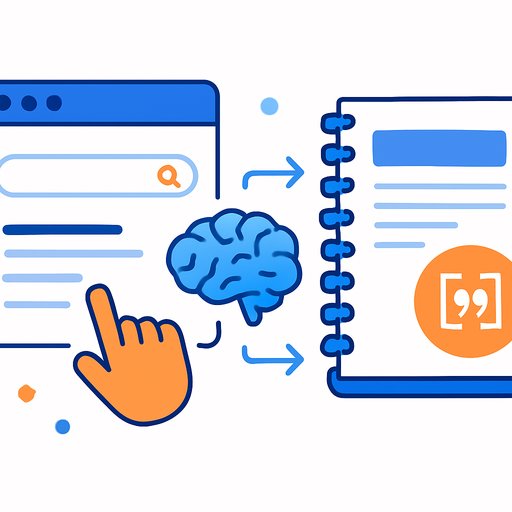
AI search has shifted attention from lists of links to synthesized answers. That change moves value from traffic to trust. Sources get referenced when they bring clarity, structure, and real expertise. Visibility is becoming an interpretation problem, not a pure ranking contest.
What AI Search Rewards Now
"The click isn't dead. It's selective." Content cited in AI Overviews earns 35% more organic clicks and 91% more paid clicks than non-cited brands. The bar is higher, but it's also clearer: bring something AI can't compress without losing the essence-proprietary data, expert context, real tools, or lived proof.
- Original research and proprietary data: New findings, defensible methodology, downloadable datasets.
- Expert commentary with credentials: Named experts, clear stakes, experience that explains the "why."
- Interactive tools and calculators: Something to use, test, and validate-beyond a paragraph summary.
- Case studies with measurable outcomes: Before/after, metrics, decisions, and the steps in between.
- Comparative analysis with methodology: Criteria, scoring, and trade-offs that can be inspected.
- Video demos and tutorials: Show the work. Short, clear, and practical beats polished fluff.
- Community-driven content and real user perspectives: Credible discussion, not staged testimonials.
- Comprehensive guides with practical frameworks: Actionable structure readers can apply immediately.
- Updated benchmarks and industry standards: Fresh numbers, clear definitions, and recurring updates.
Proof the Shift Is Here
Original stats punch above their weight: WordStream found that articles with exclusive numbers drove 50% of AI-source clicks while being a small slice of classic organic traffic. Reddit citations grew 450% in a few months, signaling demand for authentic, user-led context. Surfer SEO reports that in ecommerce and SEO, video now represents over 30% of AI citations-people want to see things work.
Rankings Matter Less Than Substance
BrightEdge research shows 89% of citations in AI Overviews come from URLs outside the top 10. That's a major tell. AI systems are making editorial calls, favoring depth, originality, and verifiable expertise over surface-level optimization.
One example: AZ Design reset its content strategy around structured clarity-clean taxonomy, consistent terminology, and questions tied to real decisions. The result was more presence inside AI-generated answers and better engagement quality, even as market-wide clicks fell. Less volume, more signal.
A Practical Plan for Marketing Teams
- Pick your edge: List topics where you have data, access, or experience others don't. Kill the rest.
- Run quarterly research: Small surveys, product usage data, market scans. Publish methods, not just charts. See AI Research Resources for approaches and examples.
- Ship one useful tool: Calculator, template, checklist, or grader. Gate sparingly; prioritize usage.
- Show credentials: Real experts, bios, and conflict-of-interest notes. Cite sources. Add revision dates.
- Record the demo: Short videos that solve one problem end-to-end. Embed alongside text.
- Structure for machines and humans: Clear headings, consistent terms, FAQs, and schema where it fits.
- Publish comparison logic: Define criteria, weights, and why they matter. Invite scrutiny.
- Seed in communities: Share where practitioners gather. Answer questions, don't drop links and run.
Metrics That Matter Now
- AI citations and references: Mentions in AI Overviews and summary panels.
- Assisted conversions: Branded queries, return visits, tool signups, and demo requests.
- Engagement with substance: Tool usage, video completion, time in interactive sections.
- Link quality: Earned links from practitioners, standards bodies, and respected communities.
- Update velocity: Cadence of meaningful revisions to your benchmarks and research pages.
Editorial Standards That Win Citations
- Clarity: Make the core point obvious in the first screen.
- Specificity: Numbers, dates, sources, and constraints beat general claims.
- Comparability: Tables, criteria, and definitions reduce ambiguity.
- Verifiability: Methods, raw data links, and version history build trust.
Where to Learn More
For broader trends in AI search and performance content, see research and guides from platforms like BrightEdge and WordStream. Both publish frequent updates on what's working and why.
If you're upskilling a marketing team around AI-era content and measurement, explore practical programs at AI Certification for Marketing Specialists or browse the latest AI courses.
Bottom Line
The click is earned now. AI won't reward filler, summaries of summaries, or recycled takes. If your content stands on its own-original data, expert proof, tools people use-you'll be referenced, and the right clicks will follow.
Stop chasing pageviews. Build assets worth citing, and you'll get chosen.
Your membership also unlocks: