Google's Gradient Canvas: The Shift From AI Tool to Creative Partner
Google's new "Gradient Canvas" exhibition isn't just another art show. It's a marker for a decade-long shift in how creative work gets done.
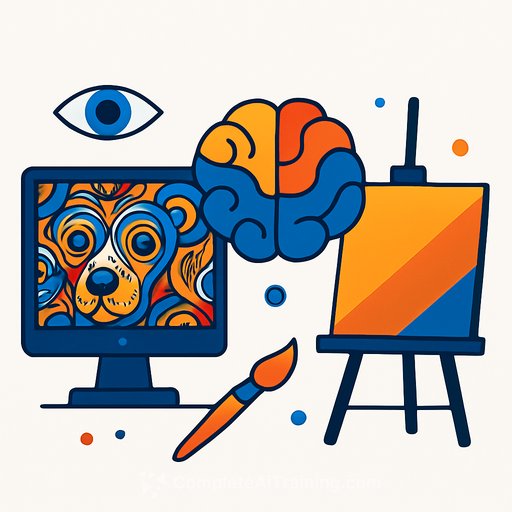
The project presents 13 new artworks that treat AI as a collaborator, not just a command-line tool. This signals a new phase in the relationship between technology and creativity.
A Different Kind of Intelligence
The collection, available physically and online, features artists using Google's AI to interpret the Bay Area's local environment. You can view the full exhibition online at Google Arts & Culture.
The work explores how human perception and machine vision see the world differently. It's a practical look at how different forms of intelligence can generate new ideas.
A Decade in the Making
This isn't a sudden development. It tracks back ten years to DeepDream, the project that first put AI-generated visuals on the map for the public.
Initiatives like Artists + Machine Intelligence (AMI) followed, proving Google's long-term interest in this field. They've been building this foundation for years.
Beyond the Art: The Strategy of Validation
The "Gradient Canvas" project is a strategic move. By having established artists use these systems, Google gives AI legitimacy as a creative partner.
This moves the conversation away from AI replacing artists and toward AI augmenting their abilities. It sets a new standard for how the industry views these collaborations.
Your Next Move
Google's stated goal is to get these advanced AI tools into more hands. They want to support new creators and make this technology more accessible.
For you, this means the barrier to creating complex, ambitious work is getting lower. The opportunity is in learning how to direct these systems effectively.
The question isn't if you should use these tools, but which ones to master first. Knowing the right instruments is half the battle. You can find a curated list of the best AI tools for generative art to get started.
Gradient Canvas is a statement on where Google's AI art efforts now stand. What began as experimental code has matured into a sophisticated co-creative process.
This exhibition points to a future where AI is an integral part of making art. The creative economy will be redefined by those who understand how to leverage this new type of partnership.
Your membership also unlocks: