AI for Students: Practical Benefits for Learning and Career Growth
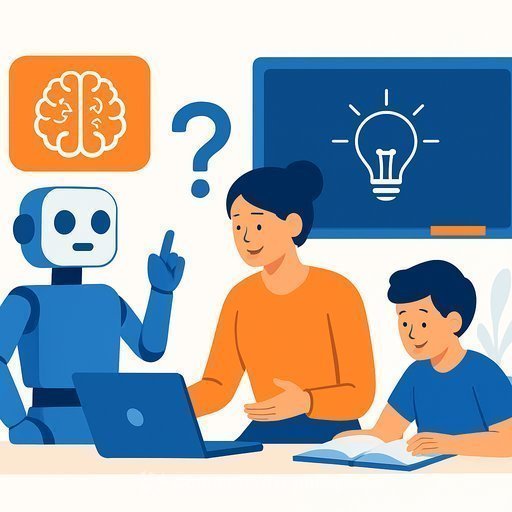
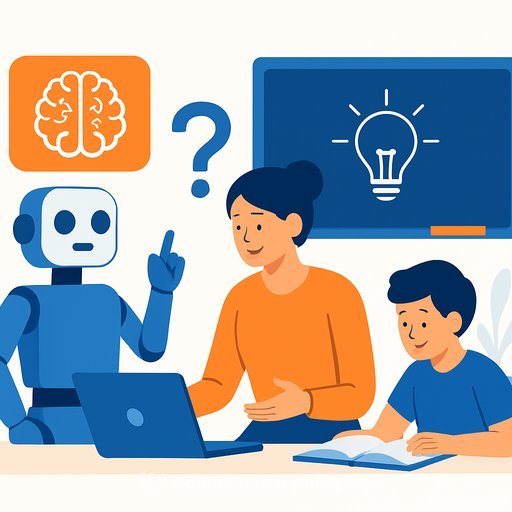
Typing essays in a word processor used to count as "using tech." Now, AI explains tough concepts, drills weak areas, and plans study time with more precision than a wall calendar.
A 2025 FICCI-EY-Parthenon survey reports that 87% of higher education institutions permit AI use with guidelines, and 71% updated STEM curricula for AI relevance. For educators, the signal is clear: students are already using AI. The job is to guide that use so it improves learning, not shortcuts it.
Personalised learning that actually fits each student
One pace doesn't work for a class of 30. AI helps you close that gap.
- Adaptive paths: systems detect where a student stalls (e.g., trig vs. geometry) and adjust difficulty, explanations, and practice volume in real time.
- Pattern awareness: if a learner does better on Tuesday mornings than Friday afternoons, the plan adjusts. Timing matters as much as content.
Better outcomes without adding hours
Instant feedback: Students get corrections while the work is still fresh. Essays receive notes on clarity, structure, and grammar within seconds. For problem-solving, tools point to the exact step where reasoning broke.
Targeted exam prep: Smart quizzes focus on weak spots instead of spraying random questions. For JEE, NEET, UPSC, or CAT prep, that means more reps where it counts and less time on topics already handled.
Time management that sticks
- Smart scheduling: Planners map deadlines, workload, and personal productivity windows. Students often report similar or better grades in less time because study blocks align with energy peaks. See practical workflows in AI Productivity Courses.
- Automated notes and summaries: Recorded lectures turn into clean outlines with key terms and links back to prior topics. Students can focus on listening and thinking instead of frantic note-taking.
Skills employers care about
Problem-solving: Using AI well forces clarity. Students learn to frame precise questions, evaluate responses, and iterate. That's how real work gets done in any field.
Analytical thinking: AI can be wrong. Verifying claims, cross-referencing sources, and spotting gaps builds judgement that transfers to research, projects, and interviews.
How benefits play out across groups
- School students (grades 8-12): Multiple explanation styles reduce fear of hard subjects. Gamified practice keeps attention longer.
- College students: Research assistance, synthesis across sources, and brainstorming support for projects and interviews - practical training options are available under AI Research Courses.
- Competitive exam aspirants: Precision practice, instant solution explanations, and clear progress tracking across large syllabi.
Risks to manage (so learning doesn't backslide)
Over-dependence: If AI writes every draft or solves every problem, independent performance suffers. Set the rule: AI can guide, but students must show their thinking steps and final checks. Closed-book assessments stay AI-free.
Data privacy and integrity: Every tool collects data. Pick vendors carefully and set clear usage boundaries. Define what counts as legitimate assistance versus misconduct-per course and per assignment type.
- Check privacy policies: data storage location, retention period, training use, deletion options.
- Use institutional accounts where possible; avoid tools that sell or reuse student content.
- Require disclosure of AI use ("what prompts, for which task, and how output was verified").
Implementation playbook for educators
- Clarify allowed uses by task: Brainstorming and outlining? Allowed with disclosure. Draft writing? Partial assistance with citation. Final exams? No AI. Spell it out.
- Vetting checklist: Does the tool cite sources? Offer explain-steps? Allow data opt-out? Provide admin controls? If "no" on two or more, keep looking.
- Classroom routines: "Show your prompt, show your process, show your sources." Require a brief reflection: what changed after checking the AI's answer?
- Assessment design: Mix in oral checks, variant numbers, and process grading. Reward reasoning, not just the final answer.
- Equity: Provide access during school hours, low-bandwidth options, and non-AI alternatives so no one is left behind.
- Teacher development: Short weekly labs: feedback tools one week, quiz generators the next. Keep it hands-on and practical.
- Metrics that matter: Track time-on-task, error types, re-teach rates, and the gap between AI-assisted and independent work. Aim for the gap to shrink.
- Parent communication: Share your policy, tools in use, and how you protect student data. Invite questions early.
Quick wins you can launch this month
- Adopt an AI feedback assistant for first drafts with a rule: "Revise before submission and cite AI use."
- Use a quiz generator to create weekly mastery checks based on class-wide weak areas.
- Publish a one-page AI policy per course with clear examples of acceptable and unacceptable use.
- Run "AI office hours" where students learn prompt basics: goal, context, constraints, examples, verification.
- Pilot an adaptive unit (e.g., trigonometry) for two weeks and compare independent test performance before and after.
- Add a reflection box to major assignments: "What did AI miss? How did you verify?"
Balanced adoption beats blind adoption
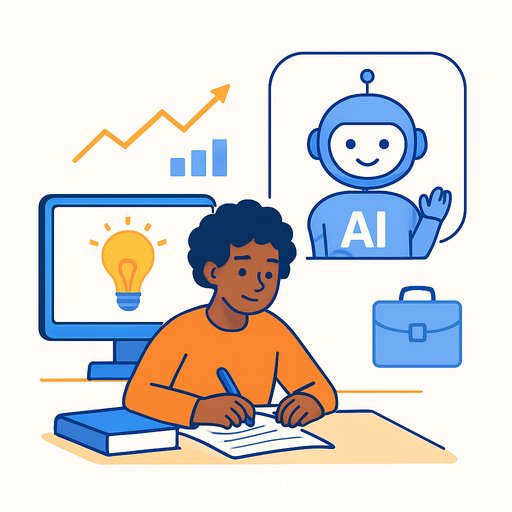
AI can personalise learning, speed feedback, and build skills that translate to work. It can also create dependency if you let it do the thinking. The sweet spot: use AI to coach, not replace. Keep the student in the driver's seat, and the gains stick.
Helpful references
Training and resources for your staff
If you want practical, hands-on programs that help educators use AI responsibly across subjects, explore Complete AI Training's offerings and request a tailored program for your staff.
Your membership also unlocks: