How Health Care Leaders Can Build a Durable AI Risk Management Framework
Published: February 20, 2026
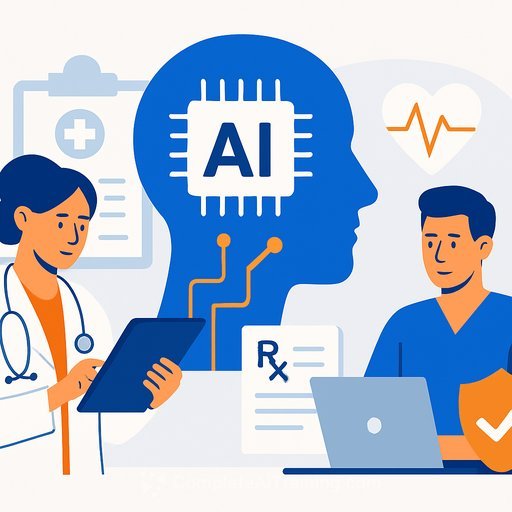
AI has moved from pilots to core operations in health care. It supports clinical decision-making and tightens revenue cycles, but it also brings clinical, operational, ethical and regulatory risk. If you lead a health system, treat AI like any high-impact clinical technology: governed, measured and continuously improved.
The Current Policy Context in Canada
Health Canada expects AI- and machine learning-enabled medical devices to meet life cycle oversight standards: transparency, performance monitoring and real-world evaluation. While the Artificial Intelligence and Data Act did not pass, federal guidance exists to help organize risk work.
Two useful reference points: Health Canada's guidance on software as a medical device and the Government of Canada's Algorithmic Impact Assessment tool. Both reinforce a structured, evidence-first approach to AI oversight. See Health Canada guidance and the AIA framework.
Start With Governance and Accountability
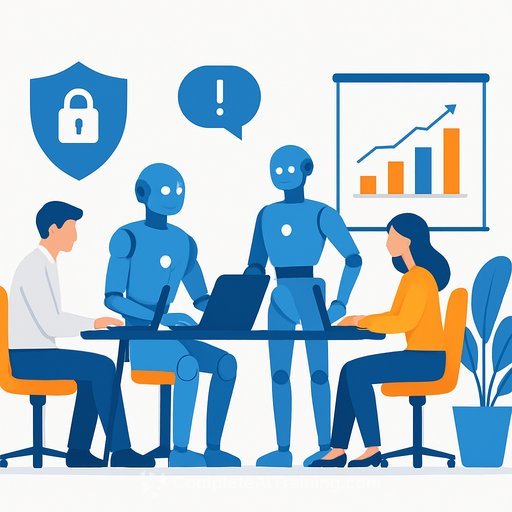
Stand up a multidisciplinary AI oversight committee with clinical leaders, compliance, IT, data science, risk management and patient safety at the table. Give it executive sponsorship and decision rights.
- Who approves AI tools before procurement.
- What evidence is required for adoption.
- How performance and bias are monitored post-deployment.
- When and how models are retrained or retired.
AI oversight is not a one-time review. Models and data change, so your governance must schedule ongoing evaluation, not just initial validation.
Conduct Structured Risk Assessments
Run formal, AI-specific risk assessments before deployment and major updates. Integrate them into enterprise risk management and quality-not as a siloed IT checklist.
- Data provenance and representativeness.
- Model transparency and explainability.
- Clinical validation in your local populations and settings.
- Bias, equity and unintended consequences.
- Cybersecurity controls and data privacy.
Embed Continuous Monitoring
Performance can drift as populations, workflows and documentation change. Build monitoring into daily operations so issues surface before they become safety events.
- Real-time performance dashboards visible to clinical and operational owners.
- Defined thresholds for acceptable error and action limits.
- Escalation pathways for adverse events and near misses.
- Regular bias and fairness audits with remediation plans.
Operationalize With URAC Accreditation
Accelerate maturity by aligning to an external standard. URAC offers an accreditation program that recognizes responsible AI practices in health care and signals a commitment to transparency, accountability and responsible innovation. Learn more about URAC.
"We seek to inspire health organizations and communities to deliver a higher level of care," says Shawn Griffin, MD, URAC President and CEO. For leaders, the value is in turning policy into practice.
- Strong AI governance: Clear structure, roles and decision rights.
- Risk management prioritization: Comprehensive risk assessment at the core.
- Focus on health equity: Systematic bias identification and mitigation.
- Life cycle management: From data inputs and development to monitoring and updates.
- Validation and transparency: Evidence of accuracy, reliability and appropriate use.
As an independent third party, URAC accreditation provides external validation for patients, clinicians and payers-and can be a market differentiator. Many organizations complete accreditation within six months.
Frequently Asked Questions
Who should own AI risk management in a health system?
A multidisciplinary governance committee with executive accountability should own it. Centralize standards and oversight; decentralize execution to service lines with clear guardrails.
Is accreditation required to deploy AI?
Usually no. But accreditation strengthens credibility, improves discipline and speeds internal alignment on evidence, safety and equity requirements.
How often should AI systems be reviewed?
Continuously monitor with automated alerts, and run formal reviews at defined intervals or after material changes. Treat model updates like clinical protocol updates-documented, tested and approved.
Make AI Risk Management Part of Enterprise Strategy
Fold AI governance into existing committees, risk processes and quality programs. Align with recognized standards and external accreditation to scale innovation while protecting clinical integrity and public trust.
AI is now operational. Treat governance as core infrastructure and build trust as you grow.
For more practical playbooks and tools on clinical deployment and oversight, explore AI for Healthcare.
Your membership also unlocks: