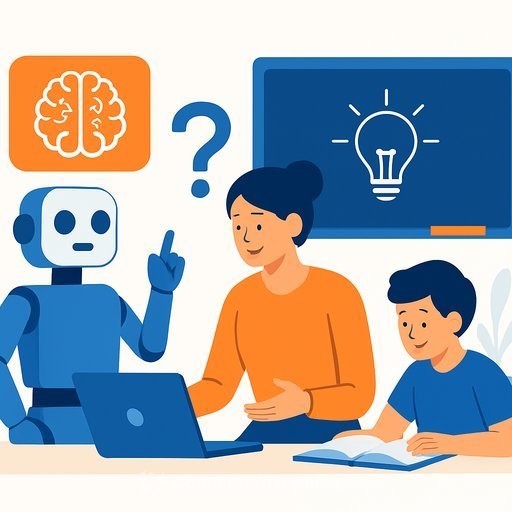
Artificial Intelligence Is Transforming India's Education System
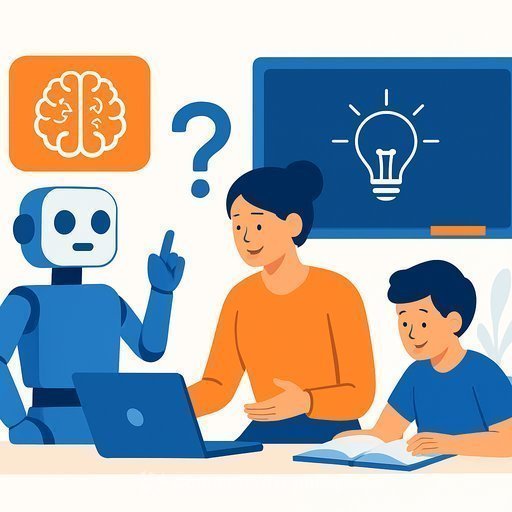
AI is changing how India teaches and learns. Not with hype, but with tools that cut through friction, make learning personal, and free up teacher time. The goal is simple: better outcomes for every learner, in every classroom.
What AI in Education Actually Means
AI in education goes beyond automation. It includes machine learning, data analytics, and intelligent systems with clear human oversight. The purpose: make teaching, learning, assessment, research, and administration more effective, inclusive, and accountable.
Adoption is already deep. More than 80% of higher education institutions are using AI tools in some form. Global bodies have also flagged its importance for SDG 4 (quality education)-see guidance from UNESCO. India's policy push-NEP 2020 and AI for Science-signals the same direction.
Why India Needs AI-Now
India serves 250+ million learners across social, linguistic, and cognitive diversity. A single model doesn't work. AI helps personalize learning so students progress at their own pace. Platforms like DIKSHA use recommendation systems to match content with student needs.
Teacher shortages still challenge many schools, especially in rural districts. Tools such as SwiftChat AI in Uttar Pradesh are supporting para-teachers with lesson plans and doubt resolution, easing daily pressure in classrooms that need it most.
Closing the Skills and Curriculum Gap
The economy wants analytical, digital, and problem-solving skills, but rote learning still dominates. AI modules in Atal Tinkering Labs are building computational thinking early. Language remains a barrier for many learners; initiatives like AI4Bharat make advanced STEM content accessible in Indian languages.
How AI Is Changing Day-to-Day Education
- Personalized learning: Systems adapt to each student's level, interest, and pace so both fast movers and strugglers get what they need.
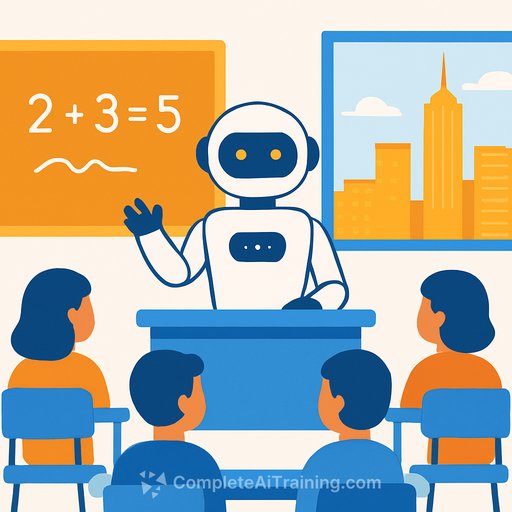
- Smart teaching tools: Virtual tutors, chatbots, and smart classrooms answer student questions on the spot and lighten teacher workload.
- Better assessment: Auto-grading, analytics, and feedback save time and reduce bias, giving teachers clearer signals on who needs help.
- Anytime learning: Videos, quizzes, and practice modules are available 24/7 on AI-powered platforms.
- Accessibility: Text-To-Speech and visual supports assist learners with disabilities and diverse needs.
- Teacher support: Planning, progress tracking, and targeted interventions become easier. CBSE's AI-enabled portal is one real example.
- Test-prep precision: Platforms like Embibe analyze answer patterns to create focused practice for JEE/NEET.
- Faster research: AI speeds literature reviews and data analysis; platforms like Bhashini help multilingual collaboration.
- Employability: Through AICTE's NEAT platform, students can access internships in sectors like EVs and semiconductors.
Guardrails You Can't Ignore
UNESCO's core principles matter: a human-centered approach, equity and inclusion, ethical use, data privacy, and cultural sensitivity. These aren't nice-to-haves; they're essential safeguards.
Key risks include the digital divide, overreliance on AI, algorithmic bias, limited teacher preparation, and threats to student data privacy. Concerns about commercial use of student data by private edtechs are real and need firm policies and clear consent practices.
What Educators and Leaders Should Do Next
- Teach AI literacy early: Make it part of foundational digital skills-students and teachers; primary educators can follow the AI Learning Path for Primary School Teachers.
- Build teacher capacity: Ongoing training on pedagogy with AI, assessment with AI, and data ethics.
- Adopt blended models: Use AI for practice and feedback; use classroom time for discussion, projects, and mentoring.
- Set clear rules: Create policies on data use, transparency, accountability, and bias audits.
- Back indigenous solutions: Support context-sensitive systems, including efforts to train LLMs across all 22 scheduled Indian languages through Bhashini.
The Bottom Line
AI can help India move from rote-heavy instruction to learner-centered education. With ethics, inclusion, and human oversight at the core, it improves quality, widens access, and sparks innovation. Done right, it becomes a foundation for a future-ready, knowledge-driven India.
For Educators: Get Practical Training
If you're building AI literacy for your staff or institution, explore curated options by role here: AI courses by job. Keep it practical, policy-aligned, and classroom-ready.
Your membership also unlocks: