5 ways AI will make health care more human in 2026
For years, AI sat on the sidelines of care - promising, but distant. This year shifts from vibes to value, driven by a simple idea: use AI for Healthcare to give caregivers more time for human connection.
As AdventHealth's chief AI officer puts it, AI adoption shouldn't replace people. It should free them to listen, think, and care with fewer interruptions.
1) AI will give time back to patients by giving time back to caregivers
Documentation, chart review, and prep work drain time and energy. When AI trims those tasks, clinicians can be present with patients and deliver better care.
Success isn't a shiny pilot. It's minutes returned to the bedside and fewer clicks per shift.
- Identify the top three admin time sinks (notes, in-basket, chart review) and set a time baseline.
- Pilot AI-assisted documentation with clear guardrails and measure minutes saved per note.
- Close the loop: collect clinician feedback weekly and refine prompts, templates, and workflows.
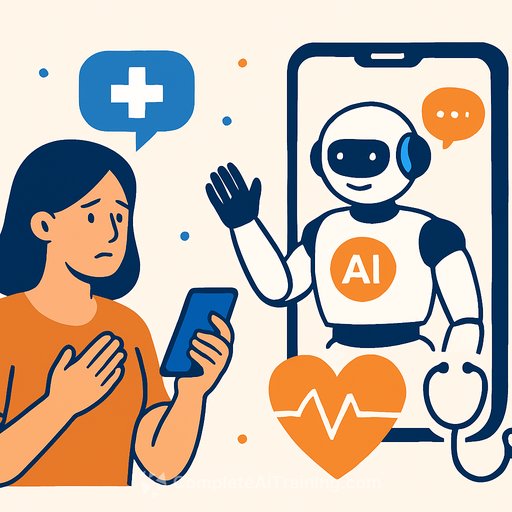
2) AI will become the front door to care
Patients already ask AI about symptoms. Health systems can guide that behavior responsibly and make the first step feel less overwhelming.
AI won't replace clinical judgment. It can help people ask better questions and get to the right next step sooner.
- Offer a safe symptom-check experience with clear escalation rules and disclaimers.
- Route outcomes to appropriate venues (self-care guidance, virtual visit, urgent care, ED) with smooth handoffs.
- Stand up governance: review content with clinicians, monitor outputs, and log real-world performance.
3) AI will help patients get the right care in the right setting
Not every concern needs a hospital visit. AI can support at-home management for lower-acuity issues like cold and flu, allergies, mild GI symptoms, simple skin conditions, and basic medication questions.
That reduces unnecessary visits, eases strain on teams, and gives patients clarity without sacrificing safety.
- Build triage pathways for common conditions with evidence-based rules and clear red flags.
- Integrate care navigation: link to virtual care, urgent care, in-person appointments, and follow-up instructions.
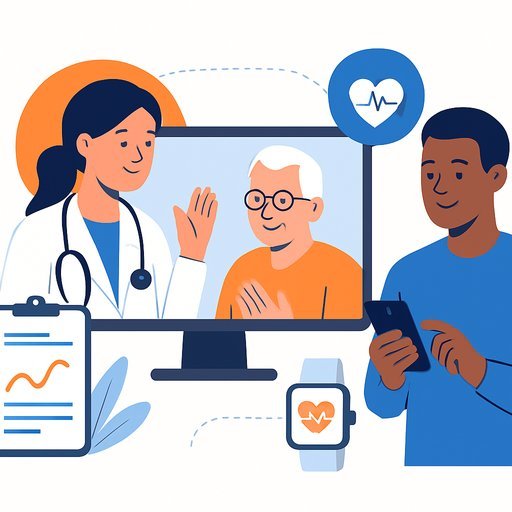
- Use remote check-ins for symptom follow-up to catch deterioration early.
4) Trust in AI will grow through families and caregivers
Trust doesn't spread evenly. It often starts with the people patients already rely on - family and caregivers who help interpret options and decide next steps.
Support them with clear guidance, and patients benefit without needing to adopt new tech on their own.
- Enable caregiver access modes and proxy permissions in portals with plain-language summaries.
- Provide AI-generated visit recaps and prep notes that encourage shared decision-making.
- Offer multilingual, low-literacy explanations to reduce confusion and build confidence.
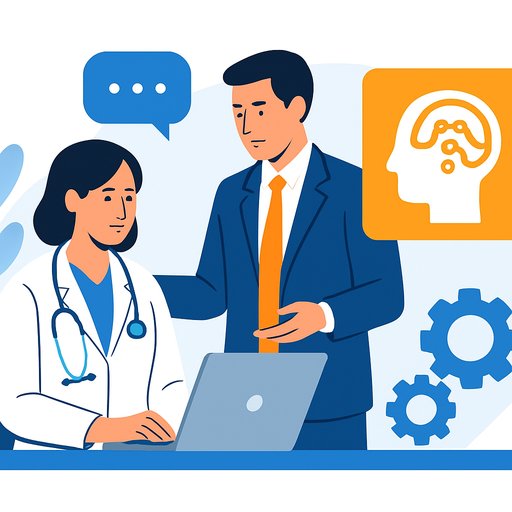
5) AI success will depend on fixing workflows first
AI works when it supports people and fits the work. The transformation is primarily a workflow change - automate strong processes, not broken ones.
Tie every initiative to hard outcomes: time saved, reliability improved, and fewer handoffs that drop context.
- Map the current workflow, remove waste, then apply AI for Operations to the "to-be" process.
- Define success upfront (e.g., minutes saved per note, turnaround time, error rate) and report weekly.
- Assign ownership, training, and change management so improvements stick.
A more human future for care
The promise of AI is simple: less friction for patients, more time for clinicians, and care that feels personal. Healing happens through human connection. AI should remove obstacles to that, not create new ones.
For governance and ethics guidance, see the World Health Organization's recommendations on AI in health here. If your team is building AI fluency across roles, explore practical upskilling resources by job function.
Your membership also unlocks: