When Machines Can Write: AI, art, and the fate of creativity
Earlier this month, an AI-generated country track called "Walk My Walk" hit number one on the Billboard charts. Days later, a local daily accidentally published an internal AI prompt inside a feature - and the internet had a field day.
Two signals, one message: AI isn't waiting for permission. If you write for a living, your process, your voice, and your pay are now part of the discussion.
The prompt that slipped into print
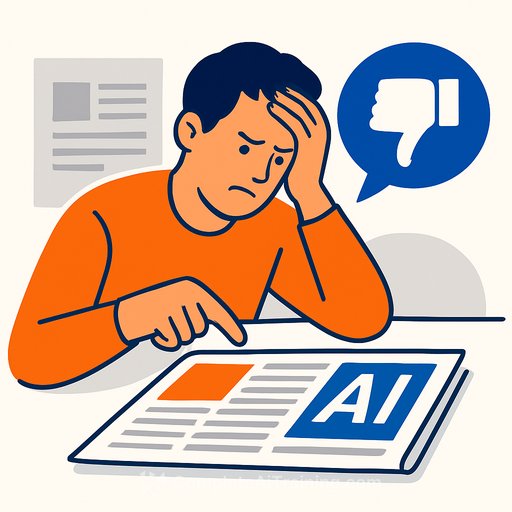
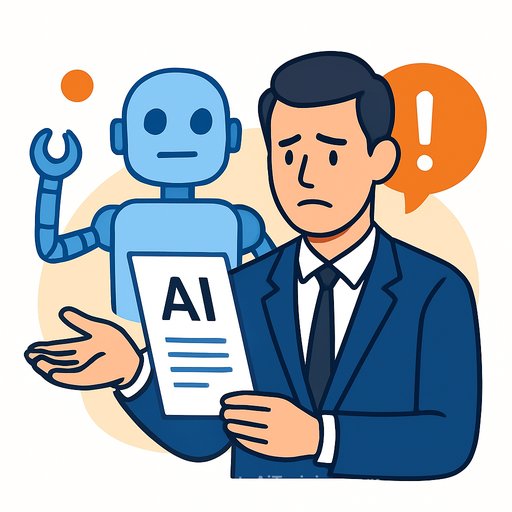
"Would you like me to extend this section to flow directly into the next paragraph about the protests and the rising death toll?" That line appeared in a newspaper piece about Suluhu - and it wasn't meant for readers. It was an AI assistant's suggestion, left in by mistake, missed by editing, and published.
Readers asked the obvious: why buy the paper if you can generate your own article with a prompt? The better question for working writers: how do you keep your craft valuable when tools can spit out something "passable" in seconds?
Algorithms don't care about feelings
Plenty of writers lean on AI instead of their own OI (Original Intelligence). Meanwhile, models learn from oceans of human work - scraped, aggregated, and optimized by ruthless algorithms.
"Walk My Walk" didn't just chart. It rattled musicians who've spent years grinding in small venues. The fear is simple: if the market accepts machine-made hits, what happens to the working artist?
The voice you hear may not be human
Consider Xania Monet - an AI musician "created" on the Suno platform by a Mississippi poet-songwriter who wrote original lyrics but couldn't sing. A reported $3 million label deal followed, along with a public backlash over authenticity and consent.
Grammy-nominated K. Michelle has hinted at legal action, claiming her vocal style was used without permission. Listeners also heard shades of Beyoncé. This is the new creative risk: your voice, your cadence, your stylistic DNA - cloned in minutes.
Authors push back
Bestselling authors have found AI-generated versions of their books sold online and allege their works were ingested into model training without consent. Lawsuits now target companies that used pirated or unlicensed datasets to train chatbots.
In one widely reported case out of San Francisco's federal court, a judge underscored that books are "billions of words strung carefully together by authors." A major AI startup reportedly paid a massive settlement to writers - and then raised hundreds of millions more. For big AI firms, these payouts can look like R&D costs.
What this means for working writers
- Use AI like an intern, not a ghostwriter. Ideation, outlines, summaries, counter-arguments - yes. Final voice and choices - yours.
- Label AI assistance in client work. A single line in your deliverable or contract builds trust and reduces risk.
- Protect your voice. Add no-clone, no-training, and no-derivative clauses to contracts. Secure separate fees for voice licensing.
- Don't paste unpublished client material into public tools. Use enterprise accounts with data controls or offline/local tools for sensitive content.
- Keep a provenance trail. Save briefs, research, drafts, prompts, and timestamps. It proves authorship and helps in disputes.
- Run style and plagiarism checks. Compare outputs against your past work and known sources. Adjust until it reads unmistakably like you.
- Register your work where it matters. Copyright registration strengthens your hand in takedowns and claims.
- Price for outcomes, not hours. If AI speeds parts of your process, keep the margin. Your value is judgment, not keystrokes.
- Create a "human standard" tier. Offer clients premium deliverables with reporting on sources, interviews, fact-checks, and your editorial decisions.
- Join professional orgs and stay informed. Policy is moving. So are platform rules and training disclosures.
A simple, defensible workflow
- Brief: clarify audience, goal, and non-negotiables. Get this in writing.
- Research: pull primary sources and quotes you can cite.
- Draft: write a rough pass in your voice.
- Assist: use AI to challenge structure, find gaps, and propose alternative headlines or ledes.
- Revise: keep the tone human. Cut clichés and generic phrasing.
- Verify: fact-check names, dates, figures, and claims.
- Provenance: save versions and a short process note for clients.
Know the rules (and your rights)
Skill up without losing your voice
- AI tools for copywriting - find assistants that fit your process, not replace it.
- Courses by job - tighten your workflow and keep your signature style intact.
Bottom line
Even when you aren't interested in AI, AI is interested in you. Treat it like competition and a tool at the same time.
Your edge isn't speed. It's taste, sensemaking, and the trust you earn. Keep your OI front and center - and let the machines carry the bags.
Your membership also unlocks: