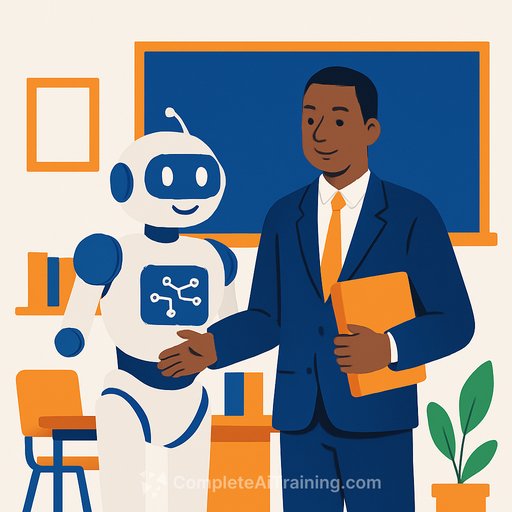
The Role of AI in Leadership Development
The arrival of AI tools like ChatGPT in university settings has sparked worry more than enthusiasm. Many students are now using AI to complete assignments without fully understanding the consequences or disclosing it. This has forced lecturers and academic centres to rethink assessments, policies, and their approach to academic integrity.
There’s concern over how AI challenges traditional markers of original work and skill validation. But instead of focusing solely on what AI disrupts, we should ask: what can AI offer education?
Leadership development experts have been exploring this question by testing AI as a mentor, coach, and simulation tool for school principals. These experiments demonstrate that AI, when used intentionally, can support leadership growth by helping students develop critical skills alongside their learning.
AI Beyond Automation
When people hear “AI in leadership,” they often think of scheduling automation, email drafting, or data dashboards. Today, Autonomous AI (or Agentic AI) like Microsoft Pilot can independently design, execute, and optimize workflows with minimal human input. This capability helps school leaders reduce heavy administrative tasks and better manage their time strategically.
Additional Benefits of AI
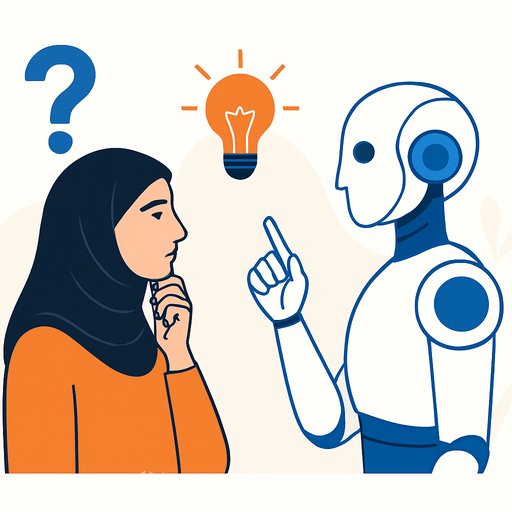
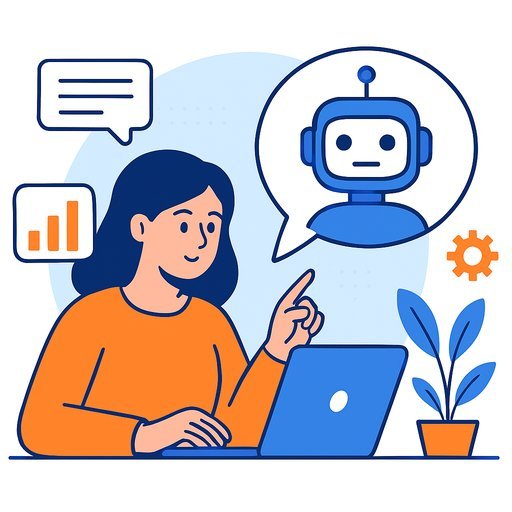
More than just administrative aids, AI tools can provoke self-reflection, simulate coaching conversations, and enhance emotional awareness for leaders. Using structured prompts and dialogue simulations, AI acts as a non-judgmental partner that guides decision-making, highlights ethical concerns, and offers feedback on communication and policy alignment.
Most school principals operate in relative isolation and face pressure to make ethical, fair decisions involving multiple stakeholders. AI’s on-demand support offers timely, intelligent coaching that human mentors cannot provide 24/7. This doesn’t replace human relationships but extends access to support that helps leaders stay grounded, even during crises.
South African school principals, for example, juggle many roles—from instructional leadership to community support—often without the time or safe spaces for reflection. As one principal put it, leadership can feel like a “hit and miss... learning as you lead” experience. AI tools can sharpen thinking and strengthen leadership identity by asking better questions, even if they don’t always provide perfect answers.
Outdated Leadership Assessments
Leadership programs and universities still rely heavily on essays, exams, and competency checklists to assess leadership potential. These methods don’t capture real-world leadership challenges. In the age of AI-generated content, such assessments lose value since AI can produce essays but can’t replicate empathetic decision-making or rapid adaptation.
Authentic assessments are needed—dynamic tasks that reveal how leaders think, reason ethically, and act under pressure. Using AI-simulated dilemmas, live reflection journals, and role-plays can mirror the complexity of leadership. Success depends on the ability to manage tension, embrace uncertainty, and act with integrity.
Leaders today must collaborate with AI systems, interpret data-driven insights, and make decisions where AI quietly influences outcomes. The future of leadership includes working alongside algorithms, not just people.
AI Literacy as a Leadership Essential
AI literacy must become a core skill in leadership education. Principals should learn to use AI tools for self-development and model responsible AI use for their communities.
Future-ready leaders won’t choose between human insight and machine intelligence—they’ll blend both. AI expands thinking without replacing it. When used well, AI supports ethical, courageous leadership.
Leadership development programs should integrate AI as a coach, mentor, and trainer. AI won’t replace leaders, but those who learn to work with AI will have an advantage. AI is already part of leadership; preparing leaders to use it responsibly is critical for sustainable education futures.
For educators and leaders interested in practical AI skills and courses tailored to leadership and education, resources like Complete AI Training offer valuable tools and learning paths.
Your membership also unlocks: