Games Workshop Bans AI to Protect Warhammer's Creative Identity
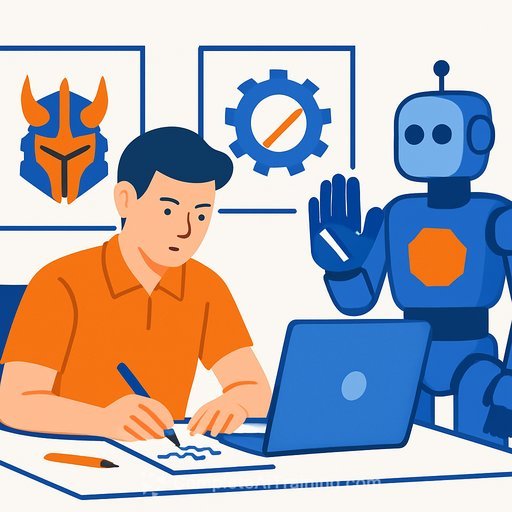
Games Workshop has drawn a clear line: no AI in the making of Warhammer. The policy, set out by CEO Kevin Rountree in the company's latest financial update, bans AI-generated and AI-assisted content across artwork, writing, and design tied to its tabletop brands.
A handful of senior managers can explore the tech, but nothing from AI makes it into official material. The company is also watching data security, compliance, and governance closely-treating AI as a risk to manage, not a shortcut to scale.
What's Changing Inside the Studio
The ban is paired with investment in people. Games Workshop has expanded hiring across Warhammer Studio-more artists, writers, and sculptors-to safeguard IP and keep the brand's voice focused and consistent.
That matters when your visual language is iconic. Warhammer 40,000's "grimdark" aesthetic, shaped over decades, isn't just style-it's product integrity.
Community Scrutiny Is Intense
Fans quickly question anything that looks "off." A recent flap over whether licensed Warhammer 40,000 art sold via a third party was AI-generated ended with a denial and an explanation of human error. Still, the message is clear: the community watches closely, and perceived AI can dent trust fast.
Context-and a Quiet Contrast
While other entertainment companies talk up AI, Games Workshop is choosing control. It's a brand decision as much as a production decision.
There's also a thematic echo: in Warhammer 40,000 lore, artificial intelligence is heavily restricted and viewed as dangerous. The real-world policy isn't theater, but the alignment is hard to miss.
What This Means for Creatives
- Expect provenance requests. Keep layered files, timestamps, and process notes. Make it easy for clients to verify how work was made.
- Separate workflows. If you experiment with AI on personal time, don't mix it with client assets or pipelines that prohibit it.
- Update contracts. Add clauses on AI use, data sources, and approvals. Be explicit about what tools are allowed.
- Lean into signature style. Human touch sells. Show brushwork, sketches, kitbashes, and WIP shots in your portfolio.
- Mind your inputs. Avoid training on or prompting with assets you don't have rights to-even for mockups.
- Double down on craft. Strong composition, color, writing, and sculpt fundamentals compound over time and are client-proof.
- Consider training. AI Design Courses can help creatives learn brand-safe workflows and how to document non-AI toolchains.
If You Work With Brands That Ban AI
- Ask for the official policy up front and mirror it in your SOW.
- Share a short "how we work" note with deliverables that outlines your non-AI toolchain.
- Archive process artifacts for every milestone. Clients may need them later.
If Your Clients Allow AI (With Guardrails)
- Label AI-assisted steps clearly and keep them separable for easy swap-out.
- Use consented datasets and licensed models. Track sources like you track references.
Further Reading
Bottom Line
Games Workshop is betting on human authorship as a brand moat. For creatives, that's a cue to document process, protect style, and get crisp on where AI fits-if it fits at all.
Your membership also unlocks: