Standard Insurance Policies Leave AI Liability Gaps
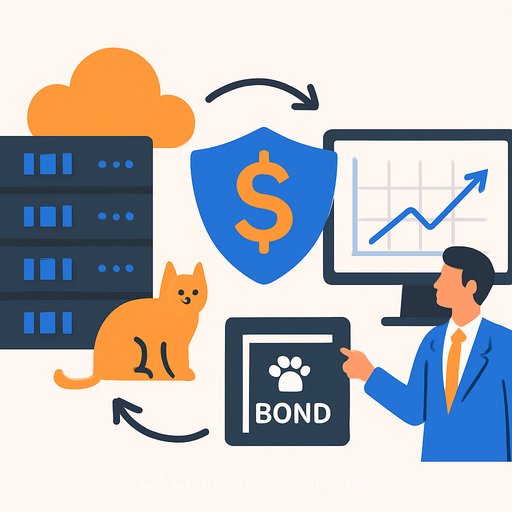
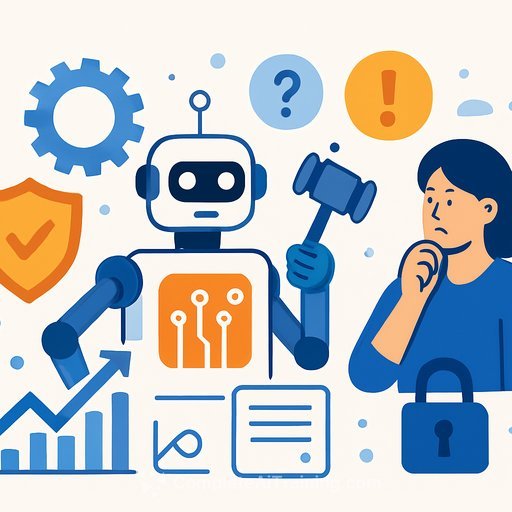
General counsel and insurance professionals face a coverage problem: traditional business owner policies don't protect against losses from AI failures. Companies need affirmative AI insurance to cover risks that standard policies exclude.
Gartner predicts that by 2030, property and casualty insurers will require strong AI risk controls before offering affirmative AI liability coverage. This mandate will drive a 60% increase in AI security and governance controls across enterprises, reshaping how companies manage accountability.
What Affirmative AI Insurance Covers
Affirmative AI policies address specific gaps in traditional coverage:
- AI hallucinations and errors: Covers financial losses when an AI model generates false information or makes incorrect decisions, such as a chatbot providing bad advice.
- Algorithmic bias and discrimination: Covers legal defense and settlements if an AI model discriminates against a group in hiring, lending, or other decisions.
- IP and copyright infringement: Protects against claims that an AI model was trained on copyrighted material or generated infringing content without permission.
- Performance guarantees: Refunds license fees or covers costs if an AI model fails to meet specific performance metrics like accuracy or fairness.
- Physical damage: Covers property damage or injury resulting from negligent AI advice, device hacking, system failures, or autonomous agent errors.
What Insurance Professionals Should Do Now
Lead an audit of your organization's current coverage. Review existing policies to identify gaps in AI-related protection and determine whether your current insurers offer affirmative AI products.
Coordinate with compliance, legal, marketing, cybersecurity, and IT teams to assess AI risks across the enterprise. Evaluate potential impact from AI failures: fines, penalties, lawsuits, and reputation damage. This assessment strengthens your position in any insurance negotiation.
Companies with strong AI governance and risk management practices will secure coverage at lower premiums while building stakeholder confidence in their operations. Those without adequate coverage face exposure to significant financial and reputational losses.
See our resources on AI for Insurance and AI for Legal for additional guidance on managing AI risk.
Your membership also unlocks: