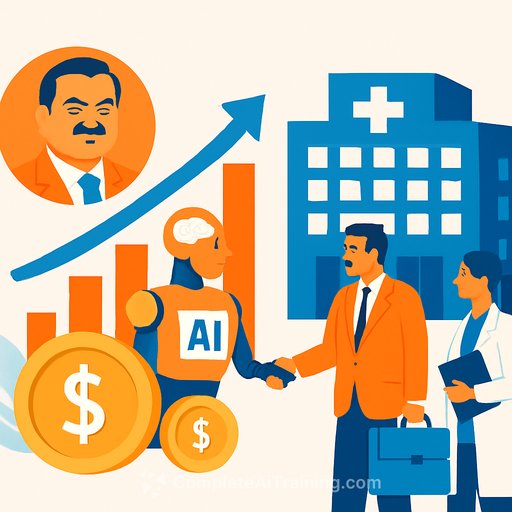
Gautam Adani Launches AI-Driven Healthcare Facilities in India
At the 5th Annual Conference of the Society for Minimally Invasive Spine Surgery – Asia Pacific (SMISS-AP) in Mumbai, Gautam Adani, chairman of the Adani Group, announced a significant initiative to develop healthcare facilities powered by Artificial Intelligence. The project will start with integrated 1,000-bed campuses in Mumbai and Ahmedabad, offering advanced medical services at affordable prices.
The Mayo Clinic is collaborating on this effort to ensure that the facilities meet international standards in design, medical infrastructure, and research. This partnership aims to bring world-class healthcare ecosystems that leverage AI technologies effectively.
Investment and Vision for Healthcare
Adani Group plans to invest $100 billion over the next five years in the healthcare sector. According to Mr. Adani, this move reflects India's future and commitment to delivering high-quality care. He emphasized the importance of conviction and courage when pursuing ambitious goals, sharing his own journey from early entrepreneurship challenges to building a business empire.
From Mundra to Healthcare: A Story of Persistence
Mr. Adani highlighted the Mundra project in Gujarat as a turning point in his career. Originally intended as a salt export jetty in partnership with a U.S. firm, the project faced a setback when the partner withdrew. Undeterred, Adani’s team took on the challenge alone despite having no prior construction experience.
This experience laid the foundation for what Mundra has become today:
- India's largest multi-cargo port
- The world's largest private single-site thermal power plant
- An extensive solar and wind manufacturing hub
- Clusters of industries including petrochemicals and copper smelting
Mr. Adani described Mundra as a “belief made real,” demonstrating how persistence and bold action can create substantial growth.
Implications for Healthcare Professionals
The introduction of AI-focused healthcare campuses promises to impact medical professionals by improving diagnostics, patient care, and operational efficiency. Facilities designed with AI integration can support minimally invasive procedures, personalized treatment plans, and data-driven research.
Healthcare workers interested in AI applications might find value in exploring courses and certifications on AI technologies in medicine. Resources like Complete AI Training offer targeted programs to develop skills relevant to AI in healthcare settings.
Your membership also unlocks: