AI as a Higher Education Marketing Channel: Key Findings
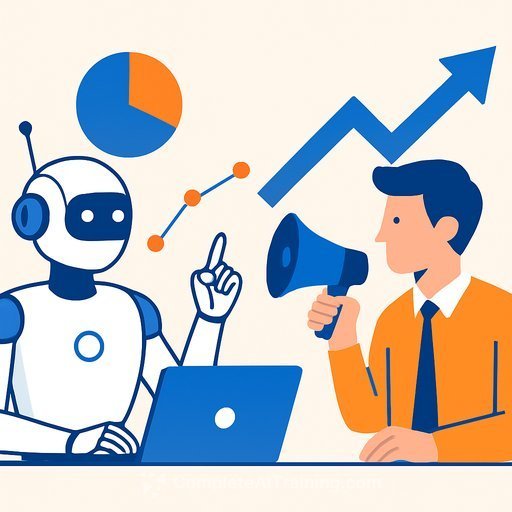
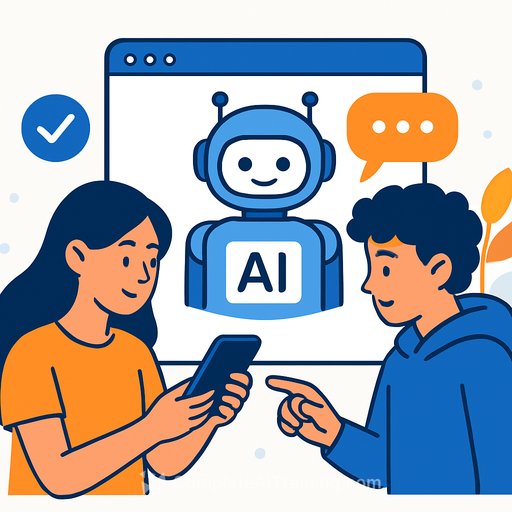
Prospective students are asking AI for answers. Data shows 28% of Gen Z and 46% of Gen Alpha use tools like ChatGPT and Gemini to research colleges. Traffic from AI search converts at 4.4x the rate of traditional organic. That turns AI visibility into a direct lever for inquiries and applications.
Treat AI like a core recruitment channel, not an SEO side quest. The institutions that win will influence consideration before a student ever visits a .edu.
Why AI Search Now Sits at the Top of the Funnel
Brochures gave way to websites. Rankings gave way to virtual tours. Now, AI sits between the question and the click. If you're not recommended in AI responses, you're invisible to a growing share of your audience.
AI doesn't "find" you with tricks. It synthesizes what's already visible, consistent, and authoritative about your institution across the web.
Rethink Discovery Beyond the University Website
University sites have long been the digital version of brochures. AI is taking over that first look. Students will still visit your site-but only after AI points them there.
As one agency leader put it, institutions can't assume prospects will start on the homepage. Visibility now depends on how cohesively your digital presence works together-and the strength of the end-to-end brand experience.
You can't optimize for AI in isolation. The broader and more coherent your footprint, the more likely you appear in AI-generated answers-and earn a recommendation to your channels.
What to Prioritize (and How Channels Work Together)
You don't need to be everywhere. You need to be consistent where it counts. Pick the channels that reinforce each other and keep your message uniform across all of them.
Website: Build a Knowledge Base AI Can Trust
Your site is still the hub, but it must read like a source of truth. AI systems reference and summarize structured, outcome-focused content.
- Clear program pathways with prerequisites, timelines, and career outcomes
- Structured content with semantic headings and schema where applicable
- Outcome-driven pages with measurable value and proof
Example: County College of Morris rebuilt its site to clarify value and credibility, anchored on four themes that improved clarity and UX.
- Confidence: Headlines promised growth and practical wins
- Vibrance: Bold colors refreshed the visual identity
- Energy & Momentum: Animations and interactions kept users engaged
- Curiosity: Strong calls-to-action guided exploration
Video: Earn Attention and Context
Video drives engagement and gives AI added context, sentiment, and corroboration. It also travels well across channels.
- Short-form program overviews built for mobile
- Faculty-led talks on industry trends and research impact
- Student stories that feel authentic, not staged
One college boosted interest in a redesigned academic program with a fully animated explainer video that simplified complex offerings.
Social Media: Let Students Be the Signal
Gen Z and Gen Alpha use social for research and peer validation. Platform-native content beats repurposed posts every time.
- Authentic student-generated content
- Honest conversations about outcomes and campus culture
- Consistent visual and narrative identity across platforms
Paid Media: Match Conversational Intent
Students are asking questions in natural language. Your paid strategy should mirror those queries, not just protect branded terms.
- Search campaigns built around decision-stage questions
- Retargeting that supports multi-touch sequences across channels
- YouTube placements to reinforce recall and proof
Execution Checklist
- Audit your footprint: news mentions, faculty thought leadership, student testimonials, structured site content, and active video channels
- Adopt GEO as part of a bigger plan: schema, FAQs, program comparisons, outcomes data, and consistent naming across properties
- Create prompt-friendly content: clear Q&A pages, "Which program is right for me?" guides, and transparent cost-to-outcome narratives
- Map queries to content: align long-form queries (e.g., "best two-year nursing programs near me with clinical placements") with pages and ads
- Measure intent: track AI-influenced sessions where possible, build UTM frameworks by question theme, and align CRM stages with content paths
- Tighten handoffs: sync admissions and marketing on scripts, proof points, and next steps that reflect what AI already told the student
Treat AI as a Core Recruitment Channel
AI isn't replacing traditional search. It adds a layer that determines who gets seen first. Institutions that invest in structured storytelling, authoritative content, and cross-channel consistency will get considered earlier-and more often.
The most persuasive campus tour might now begin with a prompt. Build your presence so AI sends students your way.
Want practical tactics, examples, and tools you can deploy this quarter? Explore AI for Marketing.
Your membership also unlocks: