
AI news ·
Gen Z is split on AI marketing, with teens more open and young adults more skeptical
Gen Z isn't one audience on AI marketing - teens lean neutral to positive, while young adults resist it as a replacement for human creativity. A campaign that works on a 16-year-old may push a 28-year-old away.
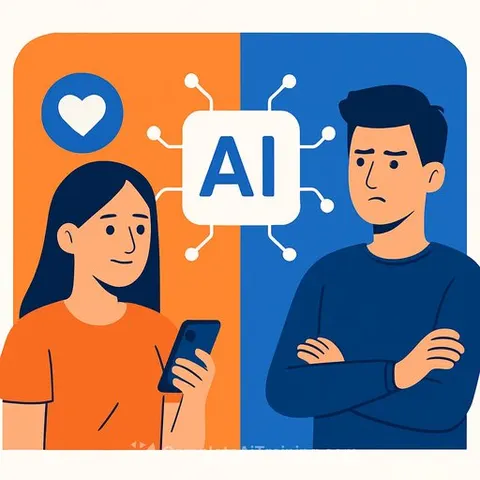
Gen Z's Actual Feelings About AI Marketing Are More Complicated Than the Headlines Suggest
Brands rolling out AI-generated ads face a divided audience among Gen Z consumers. While negativity dominates social media, the reality splits sharply by age: teenagers remain largely neutral or positive, while young adults actively resist AI marketing that replaces human creativity.
The divide matters for marketing professionals planning campaigns. Teens and young adults within the Gen Z umbrella respond differently to the same AI-driven strategies.
Teens Are Neutral to Positive; Young Adults Are Skeptical
Teenagers land somewhere between neutral and liking AI marketing from brands. Young adults, by contrast, express far more skepticism-primarily because they see AI as a substitute for human talent and effort.
This generational split within Gen Z suggests a one-size-fits-all AI marketing approach will fail. A campaign that resonates with 16-year-olds may alienate 28-year-olds.
AI Adoption Among Young Consumers Is Already Widespread
The foundation for AI marketing exists: 69% of 13- to 39-year-olds use AI tools or chatbots weekly or more often. AI has shifted from novelty to everyday utility for Gen Z and Millennials.
Yet widespread AI use doesn't automatically mean young consumers want brands to use it on them. Adoption and acceptance are different things.
What This Means for Marketers
Targeting AI-comfortable young consumers with AI-generated content seems logical but oversimplifies the decision. Brands need to understand which segment of Gen Z they're reaching and what those consumers actually value.
For marketing professionals developing AI strategies, understanding these divisions is critical. Learn more about AI for Marketing and how to apply these insights to your campaigns. The AI Learning Path for Marketing Managers covers practical implementation for different audience segments.