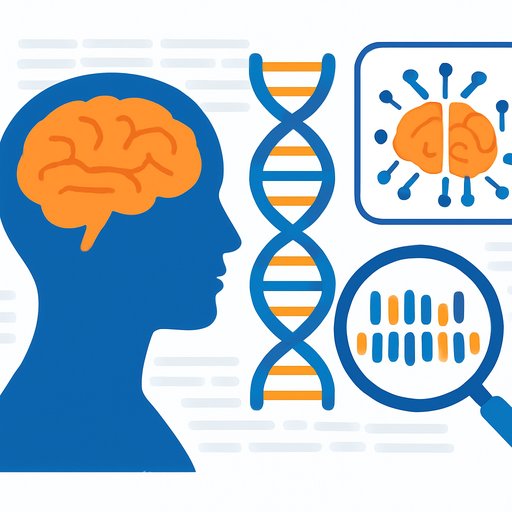
AI Tools Decode Genetic Patterns in Alzheimer's Research
Researchers are using genomic language models to analyze entire human genomes and identify genetic factors that drive Alzheimer's disease. The approach marks a shift from traditional methods that focused on individual genes, allowing scientists to detect subtle interactions across thousands of genes simultaneously.
Paul Thompson at the University of Southern California and collaborators developed these AI tools to scan the 3 billion base pairs in the human genome. The models work similarly to natural language processing, identifying patterns in DNA sequences that conventional research methods miss.
Why the shift matters
For decades, Alzheimer's research centered on single genes like APOE ε4. But the disease likely involves thousands of genes working together, making it nearly impossible for researchers to map interactions manually.
Genomic language models process this complexity at scale. They can identify which genetic combinations increase disease risk and suggest new targets for drug development.
Current initiatives
The ENIGMA Consortium and AI4AD launched in 2022 to coordinate work between researchers, data scientists, and clinicians. Both initiatives focus on applying AI to accelerate Alzheimer's drug discovery and understand the genetic basis of brain disorders.
Scientists continue refining these models to identify new genetic targets. Data privacy and equitable access to these technologies remain ongoing concerns as the work expands.
For professionals working in research, understanding how AI processes genetic data is becoming essential. AI for Science & Research courses can help you build skills in this area.
Your membership also unlocks: