Health Care Leaders Must Develop AI Literacy Now, Graduate Program Shows
Health care organizations are integrating artificial intelligence into clinical systems at scale. A graduate course at George Mason University taught students how to lead through that transition responsibly.
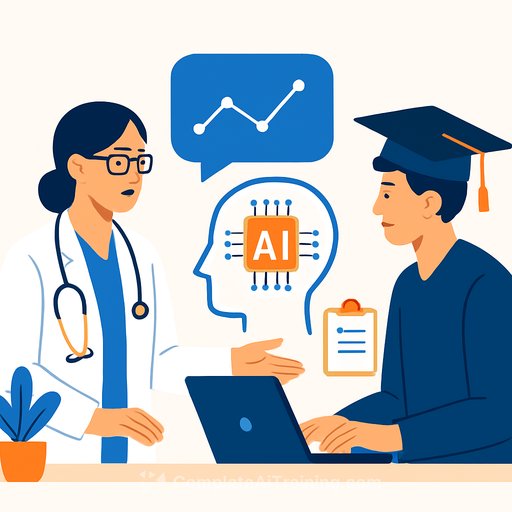
HAP 621, a health administration and policy course taught by Associate Professor Renee Geschke in fall 2025, assigned students a structured project: choose a realistic AI implementation scenario, test at least two AI tools to analyze its impact, and propose ethical leadership strategies for their organization.
The assignment addressed a practical gap. Students were already using AI informally but lacked the skills to use it effectively or recognize its limitations. Rather than restrict AI use, Geschke built a transparent learning experience that teaches when and how to deploy these tools responsibly.
What the Project Required
Students analyzed how AI affects leadership communication, emotional intelligence, team engagement, and organizational trust. They examined ethical concerns including bias, transparency, and accountability.
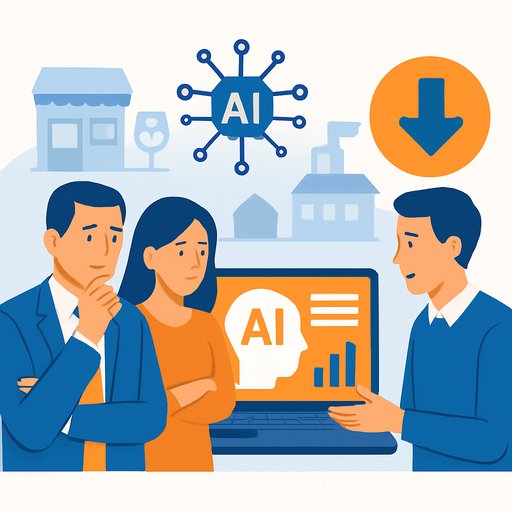
One scenario asked students to address staff concerns about data accuracy and potential bias in an AI system flagging high-risk hospital readmissions. As the hypothetical organizational leader, they had to balance innovation with ethical oversight.
By working through realistic problems, students developed the skills to recognize when AI systems fail, ask critical questions, and lead organizational conversations about technology adoption.
Why This Matters for Managers
Jadon Thomas, an oncology nurse and health informatics student in the course, said the assignment prepared him for a future where AI is standard. "Health care organizations are actively developing and adopting AI-driven tools," Thomas said. "Gaining this knowledge now is essential for understanding how these technologies will shape our workflows, responsibilities, and expectations."
Health care leaders will encounter AI systems across operations, quality improvement, workforce management, and patient engagement. Those without AI literacy risk missing signs of bias, failing to ask the right questions, or making decisions without understanding the technology's limitations.
The transition mirrors an earlier one. Just as health care moved from paper records to electronic medical records, AI integration into those systems is now underway. Managers who understand both the clinical need and the technical capability will guide that shift more effectively.
For professionals in AI for Management and AI for Healthcare, structured learning on responsible AI implementation is becoming essential to career readiness.
Your membership also unlocks: