
AI news ·
Georgia Tech and Shriners Children's develop AI tool to predict complications in pediatric spinal surgery
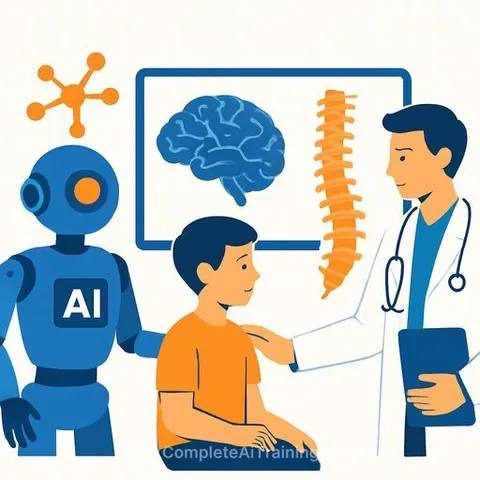
Georgia Tech and Shriners Children's have built an AI tool to warn surgeons of spinal cord risks during pediatric surgery. It scans past procedures, X-rays, and patient records to flag dangers before they happen.
Georgia Tech and Shriners Children's Build AI Tool to Guide Pediatric Spinal Surgery
Shriners Children's and Georgia Tech have developed an artificial intelligence tool designed to help surgeons predict complications during pediatric spinal procedures and make real-time decisions that reduce injury risk.
The system analyzes thousands of data points from past surgical procedures, clinical notes, X-rays, and patient histories to identify potentially dangerous changes in the spinal cord before they occur. Dr. Bruce Brenn, chief of anesthesiology at Shriners Philadelphia and lead researcher on the project, described it as "a warning system."
How It Works
The AI tool processes patterns across many patients rather than relying on individual surgeon experience. This approach allows the system to detect trends that humans might miss.
During surgery, the tool can help doctors decide whether to adjust blood pressure, stage procedures across multiple days instead of completing everything at once, or take other preventive steps.
Leanne West, Georgia Tech's chief engineer of pediatric technology, said the tool remains in development but will focus on data analysis. "If you can prevent negative things from happening during a procedure, that's always a win," she said.
Broader Context
The collaboration extends beyond the surgical tool. Shriners Children's and Georgia Tech are building a research institute in Atlanta, scheduled to open later this year.
For IT and development professionals, the project illustrates how AI for Healthcare applies data analysis to clinical decision-making, combining historical patient data with real-time surgical monitoring to improve outcomes.