
AI news ·
Georgia Tech and Shriners Children's develop AI tool to predict spinal surgery risks in children
Georgia Tech and Shriners Children's are building an AI tool to predict spinal cord complications in children during surgery. It pulls from thousands of patient records, x-rays, and clinical notes to alert surgeons before problems occur.
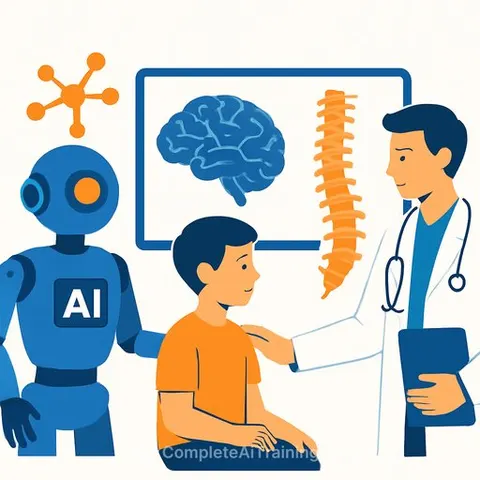
Georgia Tech and Shriners Children's develop AI tool to predict spinal surgery complications
Georgia Tech and Shriners Children's are building an AI system designed to predict dangerous changes in children's spinal cords during surgery. The tool analyzes thousands of data points from surgical procedures, clinical notes, x-rays, and patient histories to warn surgeons of potential complications before they occur.
Dr. Bruce Brenn, the lead researcher, described it as a warning system. The AI could help surgeons make real-time decisions-such as whether to adjust blood pressure or split a procedure across multiple days instead of performing it all at once.
"We're trying to use data from a lot of different patients to give us information, as opposed to just one surgeon or a few surgeons' experience," Brenn said.
Leanne West, Georgia Tech's Chief Engineer of Pediatric Technology and Shriners' Chief Research and Innovation Officer, said the tool remains in development but focuses primarily on data analysis. "AI is really good at seeing trends, number crunching, figuring things out that we might miss," West said.
The system addresses a core challenge in pediatric surgery: surgeons typically rely on their own experience and that of their colleagues. This AI tool draws from a much larger dataset to identify patterns individual practitioners might overlook.
Once operational, the tool could reduce injury risk and give surgeons greater confidence in their decisions. West said preventing complications during procedures benefits both patients and clinicians.
Shriners Children's is also opening a new research institute in Atlanta later this year in partnership with Georgia Tech. The institute will house ongoing AI for healthcare development work.