AI, VR, AR, and Gamification in Ghanaian Education: From Promise to Practice
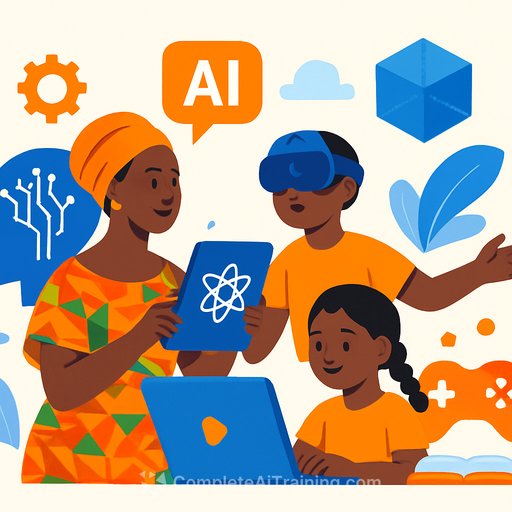
AI, VR, AR, and game-based learning are moving from buzzwords to practical tools in Ghana's schools. The opportunity is clear: better engagement, clearer insight into learning gaps, and more equitable access to quality instruction. The work now is to make them useful in real classrooms, with real constraints.
AI in Classrooms: Personalization and Efficiency
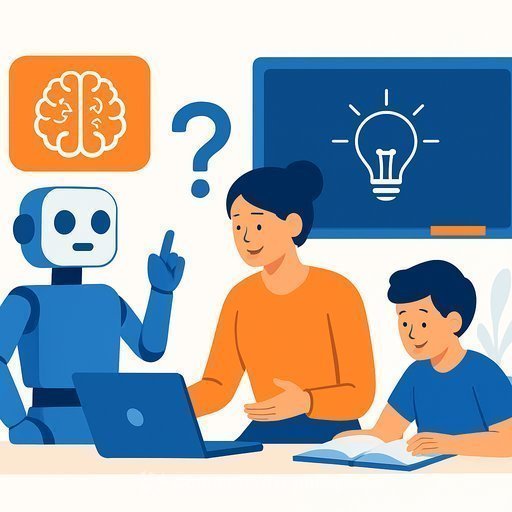
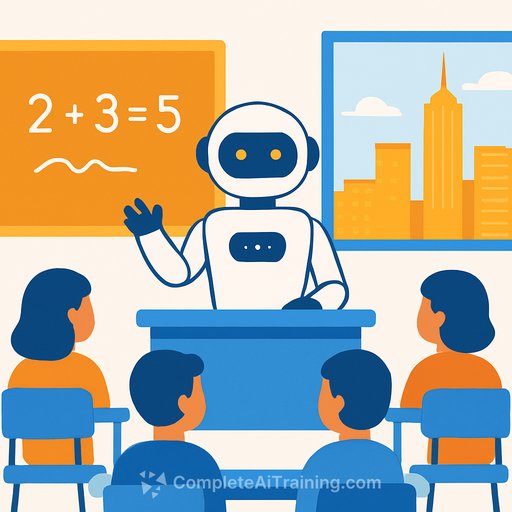
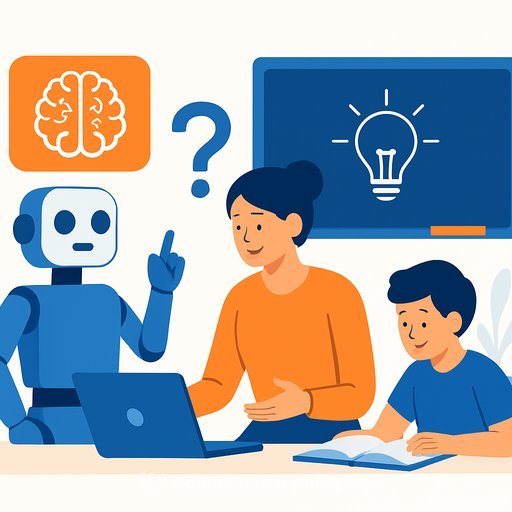
AI tools can adapt content to a student's pace, flag skills that need attention, and serve extra challenges to faster learners. Think of it as a tireless teaching assistant that keeps every student in their zone of progress.
For teachers, AI can automate grading, generate lesson outlines, and surface class-wide trends. That frees time for feedback, coaching, and parent communication. Accessibility features-Speech-To-Text, Translation, and adjustable interfaces-also give learners with disabilities a fair shot.
VR and AR: Learning That Feels Real
VR places students in 3D environments to explore history, conduct experiments, or examine the solar system up close. AR layers digital models over the real world to make complex ideas easier to see and manipulate.
In Ghana, this means medical students can practice procedures without risk, and engineering students can test designs before building. It's safer and often cheaper than physical labs, and it extends quality experiences to remote schools through shared kits and scheduled sessions.
Gamification: Motivation Built Into the Lesson
Points, levels, badges, and leaderboards make progress visible and motivating. A well-built game loop keeps students returning to practice, which improves retention.
Multiplayer challenges build communication and problem-solving. When aligned with curriculum goals, game mechanics can drive steady practice without extra reminders.
What Could Get in the Way
- Access: Gaps in devices and reliable internet limit who benefits first.
- Cost: Headsets, software, licenses, and maintenance add up fast.
- Privacy: Student data needs strict protection, especially for minors.
- Teacher capacity: Without training and planning time, tools sit unused.
A Practical Path Forward for Ghana
The right strategy focuses on foundations, teacher readiness, and relevance to local classrooms. Start small, prove value, then scale.
- Invest where it matters most: connectivity, devices, and shared resource hubs. See programs like GIFEC for nationwide reach.
- Use public-private partnerships to lower costs and speed implementation. Pilot with a few vendors before signing long contracts.
- Back teachers with continuous training, coaching, and micro-credentials. Offer time in the timetable to plan, test, and reflect.
- Localize content: Ghanaian contexts, local languages, curriculum standards, and practical assessments.
- Design for inclusion: offline-first options, low-spec modes, captions, screen readers, and alternative input methods.
- Adopt clear data policies aligned with child protection standards and global guidance from groups like UNESCO.
How Schools Can Pilot in 90 Days
- Week 1-2: Pick one subject and two classes. Define 1-2 measurable goals (e.g., +15% quiz mastery in algebra).
- Week 3-4: Choose tools (one AI practice app, one AR/VR module, one gamified activity). Check device and bandwidth needs.
- Week 5-6: Train the teachers. Prepare lesson plans, student onboarding, and a simple usage policy.
- Week 7-10: Run the pilot. Track usage, formative scores, and student/teacher feedback each week.
- Week 11-12: Review results. Keep what worked, fix or drop what didn't, and plan the next cycle.
Cost and Safety: Keep It Lean
- Start with shared VR kits and bookable time slots instead of one-to-one headsets.
- Prefer web apps that run on low-cost Android devices and work offline where possible.
- Bundle licenses across districts to cut per-student costs.
- Run safety briefings for VR use (session length, seated activities, supervisor present).
Teacher Training That Sticks
- Short, recurring workshops tied to upcoming units, not abstract theory.
- Peer demos: one teacher shows a live lesson, others adapt it the same week.
- Lightweight checklists: lesson objective, tool setup, differentiation plan, exit ticket.
- Coaching cycles and recognition for classroom-ready experiments.
If you need structured upskilling paths curated for job roles in education and beyond, explore Complete AI Training.
Equity First
Prioritize rural schools for device rotations and offline content packs. Translate key modules and instructions into local languages. Build support for students with disabilities into the base plan, not as an add-on.
What Success Looks Like
- Higher mastery on unit quizzes and WAEC-aligned benchmarks.
- Consistent usage (e.g., 20-30 minutes of quality practice per student, per week).
- Reduced grading time and more one-on-one feedback.
- Lower incidents in practical labs thanks to simulations.
- Teacher confidence improvements tracked through short surveys.
Bottom Line
These tools can make lessons more engaging, more inclusive, and more practical for Ghana's learners. The key is disciplined rollout: infrastructure first, teacher support, local relevance, and strong data safeguards.
Technology should support-never replace-the relationships that make great teaching work. With steady pilots, honest metrics, and shared learning across schools, Ghana can build a model that lasts.
Your membership also unlocks: