Google Launches Veo 3 and Flow in Pakistan to Boost Creative AI Tools
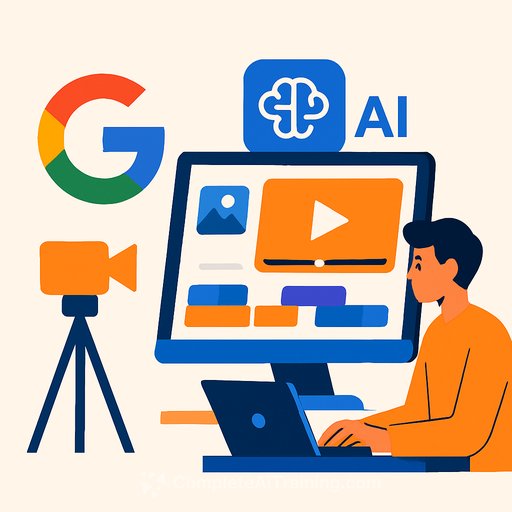
Google has expanded its video generation model, Veo 3, to Google AI Pro subscribers across more than 150 countries, including Pakistan. This update introduces a photo-to-video feature that converts still images into dynamic eight-second video clips with sound. The tool runs on the Veo 3 framework, which debuted earlier this year, and allows users to animate photos using Google's AI technology.
Since its launch, over 40 million videos have been created with Veo 3 worldwide in just seven weeks. Creators have used it to reimagine stories, experiment with ASMR content, and explore visual creativity. Pakistan’s content creators now have access to these features, opening new opportunities for storytelling and video production.
How to Use the New Veo 3 Feature
To transform photos into videos, select the 'Videos' option from the tool menu in the prompt box and upload your image. Next, describe the scene and add any audio instructions you want. The AI will then generate a dynamic video clip you can download or share.
This feature is available to Google AI Pro and Ultra subscribers in select countries. It supports animating personal photos, sketches, and other visuals. The same capabilities are integrated into Flow, Google's AI filmmaking tool, enabling creators to enhance their video projects efficiently.
Flow Expands Creative Options for Filmmakers
Flow now lets users add speech, sound effects, and background audio to video clips. While audio generation is still experimental, it provides filmmakers with new ways to enrich their content. The Frames to Video feature, accessible on Veo 3 Fast, turns personal images into the starting point for dynamic video clips, maximizing the value of users’ credits.
Both Flow and Google AI Ultra are available in over 140 countries, widening access to these AI-powered creative tools.
Google’s Approach to Trust and Safety in AI
Google prioritizes responsible AI use. Every video generated by Gemini, the AI behind Veo 3 and Flow, includes a visible watermark and an invisible SynthID digital marker to clearly indicate AI creation.
Google also performs extensive testing to identify and address potential risks before deployment. Safety policies are strictly enforced, and user feedback on generated videos is actively incorporated to improve content safety and quality. Users can provide feedback using thumbs up or down buttons on videos, helping refine the system continuously.
For creatives interested in advancing their AI skills and tools, check out Complete AI Training for a variety of courses tailored to AI-driven content creation.
Your membership also unlocks: