Google Is Using India as a Testbed for Scaling Educational AI
AI is moving into classrooms, and Google is treating India as the real-world exam. The country has the highest global usage of Gemini for learning, according to Chris Phillips, Google's VP and GM of Education. With state-led curricula, uneven device access, and patchy connectivity, India forces practical answers to hard questions. That's exactly why Google is watching how schools actually use these tools - not how they're supposed to use them.
Why India matters
Scale. India serves about 247 million students across nearly 1.47 million schools, supported by more than 10.1 million teachers. Higher education adds another 43 million learners (2021-22), up more than a quarter since 2014-15. That size exposes every weak link in deployment, training, connectivity, content, and governance.
Structure. Curriculum decisions sit with states and ministries. That means any education AI has to flex for local standards, languages, and exam systems - and it has to work in classrooms where one device is shared by several students.
What Google is testing in India
- Local control, not one-size-fits-all. Tools must let schools and administrators decide how and where AI fits - from lesson planning to assessment to interventions.
- Multimodal learning. Video, audio, images, and text help bridge language diversity and non-text-first learning contexts.
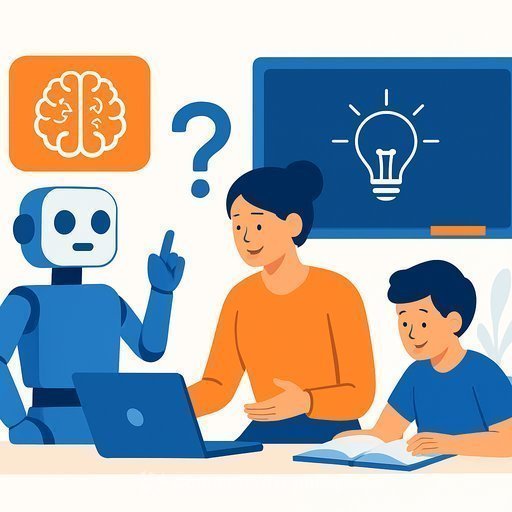
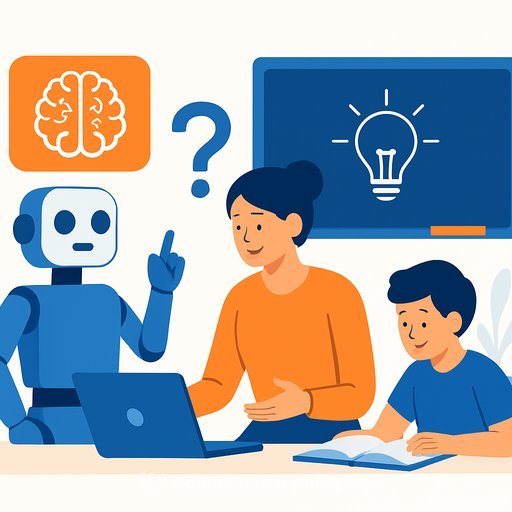
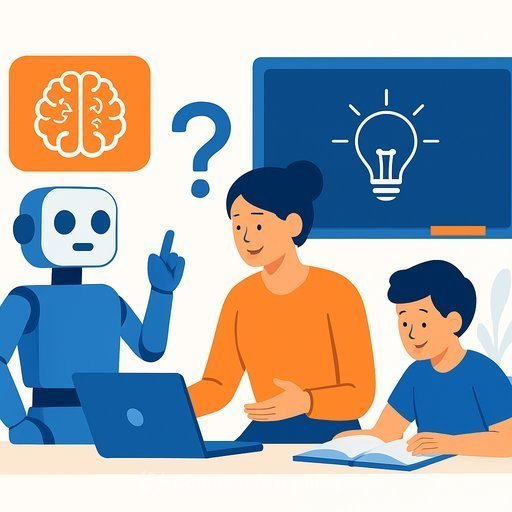
- Teacher-first workflows. AI supports planning, grading, and classroom management; it doesn't replace teachers.
- Design for access-aware systems. Features need to hold up with shared devices and unstable internet.
- Governance ready. Permissions, auditing, and safe defaults are essential for public systems.
Infrastructure realities schools face
Many classrooms do not have one device per student. Internet access can be inconsistent. The day may move from pen-and-paper to AI-assisted tasks and back again.
- Plan for offline-first options and printable materials.
- Rotate devices with small-group stations; keep whole-class activities lightweight.
- Cache core content; avoid features that break without steady connectivity.
- Use multimodal prompts to support students with limited typing fluency or local language needs.
Risks flagged by India's Economic Survey
India's latest Economic Survey cautions that unregulated use of AI can hurt learning outcomes. Overdependence on automated writing and creative tasks may dull critical thinking over time. Districts need clear guardrails: citation rules, limits on generative help, and assessments that still measure student thinking.
Competition is pushing the pace
OpenAI is building local leadership for education in India and APAC and has introduced a Learning Accelerator program. Microsoft is partnering with institutions, state bodies, and providers like Physics Wallah to support AI-enabled learning and teacher preparation. Expect faster product cycles and more localized features across the board.
What this means for school and system leaders
- Start with policy. Define acceptable use, originality thresholds, and data privacy. Make it simple enough for every teacher to apply.
- Pilot with purpose. Choose two use cases (e.g., lesson planning and low-stakes feedback). Run for 8-12 weeks, then review outcomes and teacher workload impact.
- Protect student data. Require clarity on data handling, retention, training usage, and audit logs before procurement.
- Invest in teacher capacity. Short, practice-based PD beats long theory sessions. Share prompt libraries and classroom routines that actually work.
- Plan for uneven access. Create device-rotation schedules and offline alternatives so AI support doesn't widen gaps.
- Measure learning, not hype. Track reading growth, writing quality, formative assessment accuracy, and time saved by teachers.
- Ask vendors the right questions. How does it localize content? What happens offline? What controls exist for bias and hallucinations? How are changes rolled out to states and districts?
What to watch next
Google is expanding practical uses, including practice tests in Gemini for India's Joint Entrance Exam. If these efforts lower prep friction at national scale without hurting original thinking, expect similar models to show up in other countries with state-led systems and mixed connectivity.
Bottom line
India is stress-testing what AI in education must look like in the real world: localized, teacher-centered, and reliable with limited resources. The lessons here - governance, access, and language - will set the bar for global deployments. If you're leading AI adoption, borrow from India's playbook and build for variance from day one.
Helpful resource: If you're mapping skills and training for your staff, scan curated options by role at Complete AI Training.
Your membership also unlocks: