Google's Calculated AI Play Is Paying Off
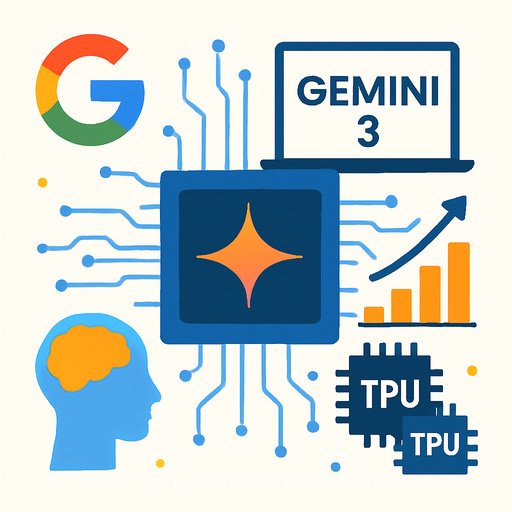
Google spent years playing catch-up in the AI race. That period is over. The launch of Gemini 3 late last year gave the company the momentum it needed to pull ahead of OpenAI in the development of highly capable models.
Gemini's adoption is now on its fastest trajectory yet. This growth was spurred on by the summer rollout of an image generator with the quirky name Nano Banana, helping Google reclaim its reputation for building interesting products.
The Strategy Behind the Surge
This new direction follows a period of deliberate caution with chatbots. The internal culture shifted when Google co-founder Sergey Brin was inspired to get more involved again after seeing developments at the fiercely competitive OpenAI.
Though Gemini 3 sent Google's share price soaring, the race is far from finished. OpenAI has since launched a more powerful version of ChatGPT, which remains the most popular chatbot by a wide margin.
The Next Battleground: Custom Hardware
Google is starting to gain a significant advantage in another area: the chip business. Companies like Meta and Anthropic are showing interest in spending billions to use Google's custom hardware, known as Tensor Processing Units (TPUs).
The company invested in developing TPUs years ago, anticipating the need for massive computing power. Control over proprietary hardware will be a critical factor for tech giants in the coming year.
Staying ahead requires understanding both the models and the hardware they run on. To keep your skills current with these foundational shifts, you can explore the latest AI courses available.
Your membership also unlocks: