Search Queries Are Getting Longer. Your Campaigns Need to Keep Up.
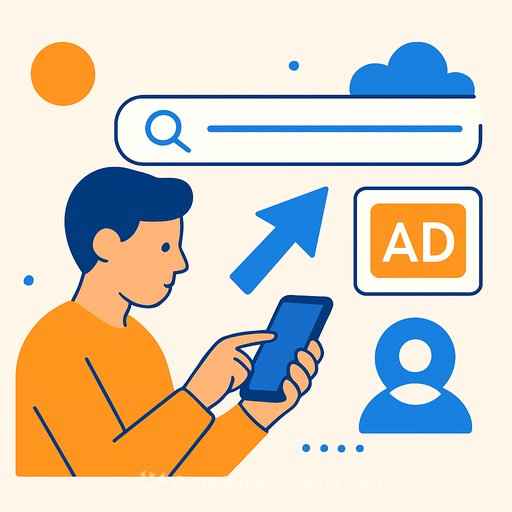
Users are asking search engines longer, more detailed questions instead of typing short keywords. Google reports that these conversational queries now trigger AI-generated responses more often, and the shift is forcing marketers to rethink how they structure campaigns and target ads.
The change is measurable. Google says improvements in language models have reduced irrelevant ads by around 40%, meaning the system is better at matching intent than exact keyword matching alone.
From Keywords to Intent
For decades, search advertising relied on mapping keywords to products. A user typed "blue running shoes," and an ad for blue running shoes appeared. That model is breaking down as searches become longer and more specific.
Today, users describe what they want in full sentences, combine multiple needs in one query, or refine their intent through follow-up questions. Static keyword lists can't handle that variation. AI systems now interpret the context of a query and match it with relevant ads based on what the user actually needs, not just the words they used.
This means brands need to provide richer information. That includes answering common product questions, listing compatible items, and offering detailed descriptions beyond basic keyword metadata.
Automation Handles More of the Work
Campaign management itself is changing. Tools like Google Ads Advisor and Analytics Advisor now suggest changes, identify problems, and apply updates with approval-reducing time spent on routine tasks.
Both small and large advertisers are adopting these tools, though expectations initially favored smaller businesses. When Google rolled out AI Max for search campaigns, larger advertisers found untapped potential they hadn't expected.
Agencies are adjusting workflows too. Many now use AI to automate campaign setup and reporting while working with first-party data and creative assets in new ways.
What This Means for Your Role
As systems handle more execution, marketers are shifting toward strategy and creative direction. The manual work-bid adjustments, keyword tweaking-is becoming automated.
That frees time for what machines can't do: shaping campaign strategy, testing ideas, and understanding what customers actually need. The marketers who adapt will be those who use AI effectively, not those who resist it.
How ads appear is changing too. Short factual queries may still return direct answers, while complex questions may lead to AI-generated summaries with links and follow-up options. Ads can appear alongside or within these AI responses, depending on context. Visibility is no longer tied only to ranking on a list of blue links.
Traffic Quality, Not Volume
Google reports that overall traffic patterns haven't shifted dramatically year over year. What has improved is the quality of clicks. Users are more engaged and less likely to bounce when they land on a site from a search result.
The shift from keyword-based to intent-based search means campaigns that remain rigid will miss opportunities. Queries are more detailed, systems are doing more of the matching work, and campaigns are less tied to fixed structures.
Outcomes still depend on the inputs: how well your data reflects what users are searching for, and whether your creative direction aligns with their intent. The tools may handle more of the process, but strategy and insights remain human work.
Learn more about AI for Marketing or explore the AI Learning Path for Marketing Managers to understand how these changes affect your campaigns and career.
Your membership also unlocks: