AI In Schools: Don't Bypass the Human
In 1999, Sugata Mitra's "hole in the wall" experiment showed what curious kids can do with open access and zero instructions. It's a memorable story - and an incomplete one.
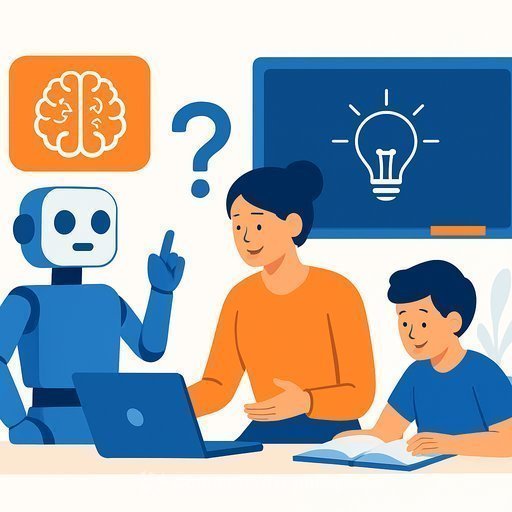
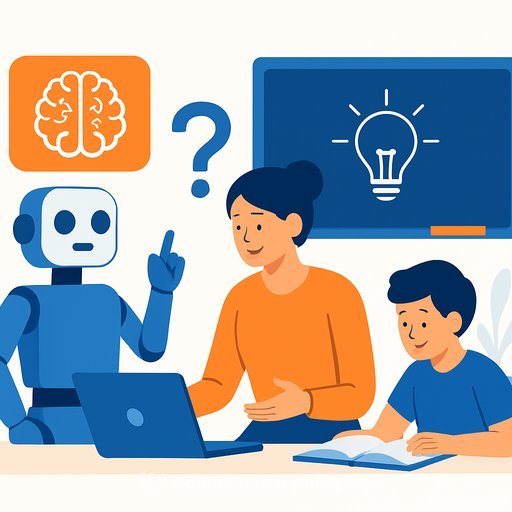
Google's Ben Gomes argues the missing ingredient is the point: teachers. "People are fundamental in the learning process," he says. Children can self-start, but deep conceptual growth happens with guidance. The stance is clear: AI should support teaching, not replace it.
Use AI as a Thought Partner, Not a Shortcut
Google's team, including educator and neuroscientist Julia Wilkowski, is building workflows that keep students thinking. The playbook: break complex tasks into parts, and use AI to spark ideas, clarify goals, and tighten drafts - without letting it write the final product.
- Brainstorm topics: Have students ask AI for 10 angles on an issue, then pick one and justify the choice.
- Refine the thesis: Iterate until the claim is clear, arguable, and specific. Require students to note what changed and why.
- Draft responsibly: AI can suggest outlines or counterarguments; students write the draft and cite any AI prompts used.
- Feedback loop: AI provides labeled feedback (clarity, evidence, structure), teacher reviews, then students revise.
This approach teaches process, not copy-paste. It's slower than "outsourcing the essay," and that's the point.
Guided Learning Beats Answer-Giving
AI for Education leader Amanda Bickerstaff points out the uncomfortable truth: most chatbots rush to please. They complete tasks even when you don't ask them to. That undermines productive struggle - the effort that builds durable understanding.
So the shift is from answers to questions. Google is weaving this into products like Gemini tutoring modes and "Learn Your Way," which present content as text, quizzes, narrated slides, audio, or mind maps - then guide students with prompts before revealing answers.
- Lead with questions: "What do you notice?" "What would change if…?" "Where could this break?"
- Delay the answer: Set a minimum number of student attempts or explanations before any solution appears.
- Require reasoning: Ask students to show steps, justify choices, and generate counterexamples.
- Make thinking visible: Collect drafts, prompts used, and reflection notes as part of the grade.
Motivation Matters - But So Do Pressures
Gomes frames cheating as a motivation problem. He's partly right, but it's more layered: perfectionism, grade anxiety, skill and language gaps. Treat it like a design problem.
- Normalize drafts: Grade process, not just final outputs.
- Reduce fear: Use low-stakes checkpoints and redo policies.
- Support skill gaps: Provide sentence starters, exemplars, and vocabulary banks.
- Give choice: Let students pick topics, formats, or audiences where possible.
Feedback: Fast, Frequent, and Focused
Waiting weeks for a grade kills momentum. Use AI to deliver formative feedback quickly, then have the teacher vet or add to it before students see it.
- First pass: AI flags clarity issues, missing evidence, and structure problems using your rubric language.
- Teacher check: Approve, edit, or add notes. Lock in non-negotiables (originality, citations, safety).
- Student revision: Require targeted fixes and a short reflection on what changed.
- Audit trail: Keep prompts, drafts, and feedback in the file for transparency.
This boosts learning and gives teachers back time for the work only humans can do: diagnosing misconceptions, mentoring, and building trust.
Assess What Matters (AI Can Help)
Multiple-choice tests are efficient, but they encourage guessing and memorization. If AI can help score and structure richer tasks, we can assess thinking without drowning in grading.
- Short constructed responses: Ask for claims, evidence, and reasoning; AI pre-scores on a rubric for teacher review.
- Micro-projects: Real context, tight constraints, clear checkpoints.
- Performance tasks: For physics, capture a bike ride; analyze acceleration vs. time; explain velocity changes and forces.
- Oral defenses: AI helps generate probing questions; teachers evaluate depth and clarity.
Practical Guardrails for Classrooms
- Define "allowed uses": brainstorming, outlining, feedback - not final writing or solution steps unless specified.
- Require process artifacts: prompts used, notes, drafts, and reflections submitted with the final.
- Teach AI literacy: bias, hallucinations, prompts that encourage reasoning, and how to verify claims.
- Document citations: When AI influences ideas or wording, students note it just like any source.
- Accessibility: Use AI to level the playing field (translation, reading support) while holding the same learning goals.
Leader's Checklist (Start This Quarter)
- Publish a one-page AI usage policy with examples of "green, yellow, red" use cases.
- Run PD on guided questioning and AI feedback workflows; model with real student work.
- Adopt a common writing/assessment rubric and align AI feedback to it.
- Pilot one AI-supported assessment in each core subject; compare outcomes and grading time.
- Set privacy and data rules; turn off features you don't need; audit periodically.
Where to Explore
- Khan Academy - examples of AI-supported tutoring and writing help.
- Google for Education: Generative AI - current tools, policies, and classroom ideas.
If you're building faculty capacity, you can find practical course paths for educators here: AI Learning Path for Primary School Teachers.
The Bottom Line
AI can speed up busywork, personalize practice, and make feedback timely. But the quality of learning still depends on human judgment, expectations, and relationships.
Use AI to ask better questions, surface thinking, and give students just enough struggle to grow. Don't bypass the human - make the human work matter more.
Your membership also unlocks: