GPTZero Launches AI Feedback Tool Trained by Human Editors
GPTZero, an AI detection service, is releasing a new feature that generates writing feedback modeled after real editors. The tool creates "digital doubles" - AI versions of professional editors that writers can use for early feedback on scripts, articles, and other work.
The company partnered with three professionals to launch the feature: Emmy-nominated TV producer Greg Altman, documentarian Bill Retherford, and Northeastern University admissions officer Wendy Snyder. Each created a digital double trained on their editing preferences and judgment calls.
How the Digital Doubles Work
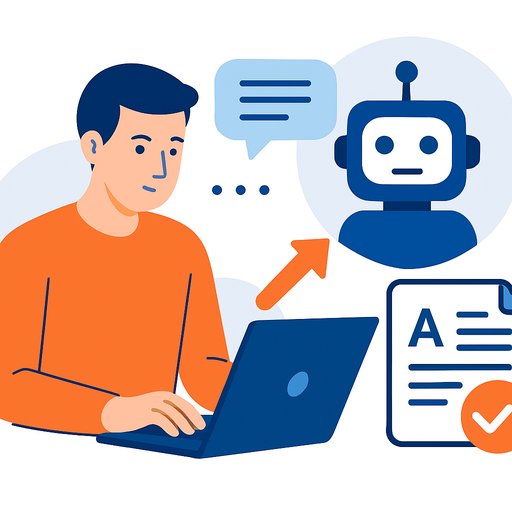
Writers create a custom reviewer by describing their editing priorities, then upload sample pieces they've edited to calibrate the AI. The system learns patterns in how that editor marks up copy - what makes a strong headline, how they handle quotes, what constitutes a solid story angle.
GPTZero CEO Edward Tian said the approach differs from competitors like Quilty, which uses proprietary algorithms to generate feedback. "Every expert evaluates writing against criteria they've developed over years," Tian said. "We work with them to capture that metric and apply it consistently."
The company charges users "credits" for each feedback run. GPTZero is still determining how to compensate the professionals whose digital doubles get used.
Early Results Show Mixed Promise
Testing the tool revealed both strengths and limitations. The AI successfully trimmed excess copy and caught some structural issues. It struggled, however, with identifying core thematic paragraphs and made excessive suggestions to edit direct quotes - something experienced editors typically avoid.
The tool improved with additional training. A journalist who created their own digital double found it useful as a starting point for writers seeking feedback, though not yet reliable enough to replace human editing.
"I could see a scenario where writers looking for my edits could potentially use it as a source for early feedback," the tester said. "Although not until I really, really fine tune the model."
Expansion Plans
GPTZero started as an AI detection service. The company now has 17 million registered users and 800,000 daily active users checking whether content was generated by AI.
Tian said the company is working with larger agencies to recruit more professionals - scriptwriters, producers, and comedy writers - to create additional digital doubles. The goal is to build a community where editors share their processes with writers who trust their judgment.
"Writing is deeply personal, where targeted edits from writers that you know and trust are far more valuable than general feedback," Tian said.
Professionals who create a digital double aren't required to make it public. Some may keep their doubles private, sharing them only with specific colleagues or reporters.
Learn more about AI for Writers and how prompt engineering shapes AI tool performance.
Your membership also unlocks: