Daily Scoop for Writers: Identity, Accountability, And Smart PR
The Scoop: Grammarly apologizes for AI tool that mimics writers
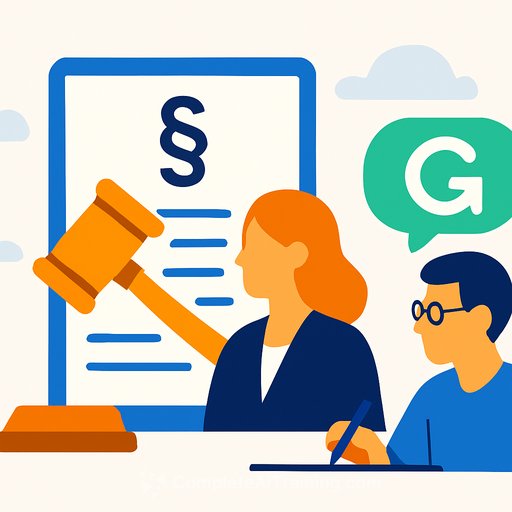
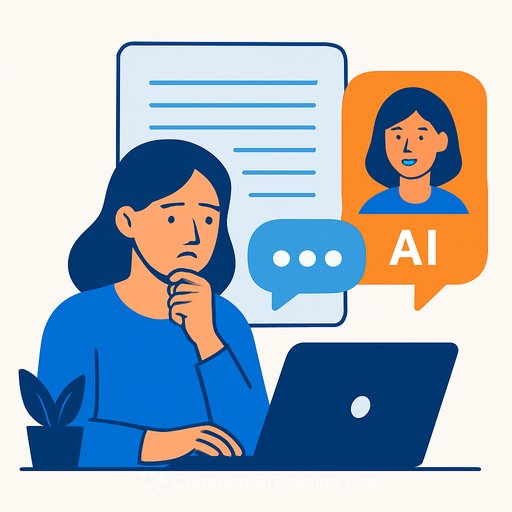
Grammarly shut down its "Expert Review" feature after backlash and a class-action lawsuit from at least one journalist who says her identity was used without permission. The tool let users upload writing and get feedback "in the style of" well-known journalists, academics, and authors-who say they never agreed to be part of it. Investigative reporter Julia Angwin is suing, alleging the product traded on real writers' names and reputations to make AI feedback feel more authoritative.
CEO Shishir Mehrotra acknowledged the criticism and apologized, saying the rollout misrepresented expert voices and that the company is rethinking its approach. The feature is now disabled while they reassess what comes next.
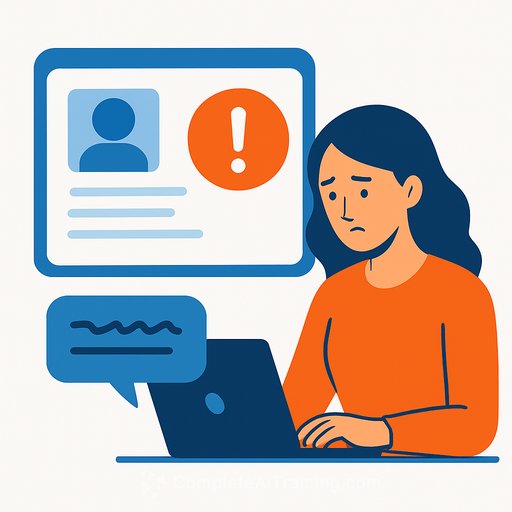
Why it matters for writers: Your name and voice are assets. When a tool suggests it's "you" without consent, that's a credibility and rights issue. Apologies after backlash help, but they don't restore trust on their own. Expect more fights over consent, compensation, and misrepresentation as AI products try to borrow authority from real people.
What writers should do now
- Post a clear "usage policy" on your site and bios: no training on your work, no impersonation or style simulation without written consent and payment.
- Monitor your name with alerts. Look for "in the style of [Your Name]" in product docs, prompts, and marketing.
- Add contract language: no training on your content, no simulated endorsements or voice, attribution requirements, and a compensation schedule for any licensed use.
- If you spot misuse: document everything (screens, URLs, timestamps), send a written demand, and consult an attorney about right-of-publicity, false endorsement, and unfair competition claims.
- Ask vendors specific questions: How are "experts" sourced? What consent records exist? How is provenance enforced? What is the appeals/removal process?
Want practical frameworks for using AI without giving up your voice? Start here: AI for Writers.
Editor's Top Reads
Noma's Rene Redzepi resigns after abuse allegations
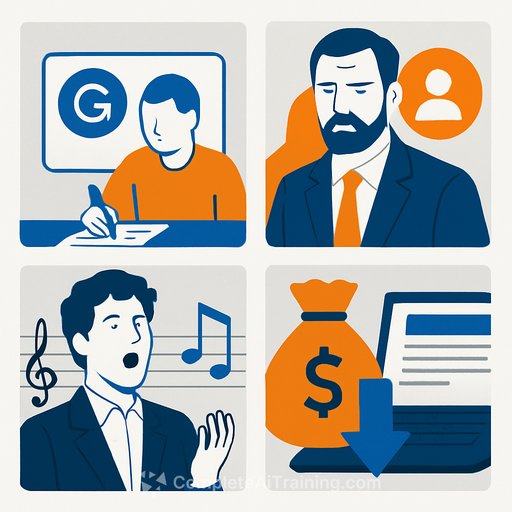
After reports from dozens of former employees described a harmful kitchen culture, Rene Redzepi apologized and stepped down from both Noma and his nonprofit. Sponsors pulled out of a planned L.A. pop-up and protests followed. In his public apology, he said, "An apology is not enough; I take responsibility for my own actions."
Takeaway for writers: Culture is part of your brand. If you lead a newsroom, studio, or creative team, build clear standards, reporting channels, and consequences. Address issues early-accountability that arrives only after an investigation will always read as reactive.
Opera flips Timothée Chalamet's comment into promotion
After the actor suggested "no one cares about" opera, companies jumped in with sharp, funny posts and ticket promos. Seattle Opera even used a "TIMOTHEE" discount code for Carmen and saw standout engagement. What started as a slight became free visibility-and fresh ticket sales.
Takeaway for writers: Turn criticism into content. If a public comment touches your niche, respond fast with wit and proof (clips, newsletters, events). Ride the moment; don't get mean. The point is to win attention and new readers, not a fight.
BuzzFeed warns of "substantial doubt" about staying in business
The company reported low cash against large losses and a historic stock drop after years of cuts, including shuttering BuzzFeed News. Fewer reporters now cover more beats, which means fewer, harder-won placements for pitches.
Takeaway for writers: Build direct lines to your audience. Prioritize your newsletter, website, and community. For earned media, pitch with tighter angles, data, and brevity-help overworked editors say "yes" faster. Diversify income with courses, subscriptions, or member-only work so a single platform doesn't decide your month.
Bottom line
Your voice is your moat. Protect your name, set consent rules, and use public moments to grow readership. Tools will change fast-your standards shouldn't.
Your membership also unlocks: