Haishan Yang: A Cautionary Tale in Higher Education
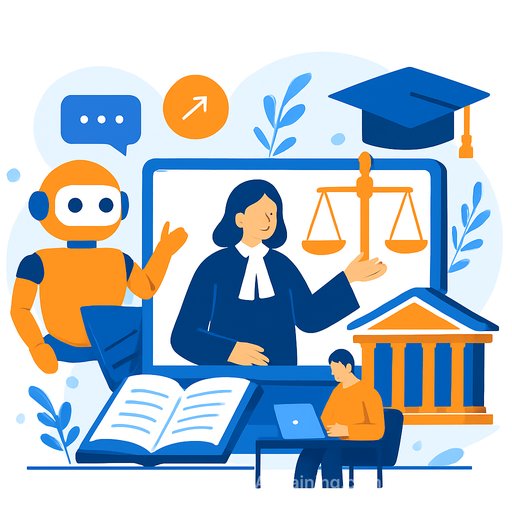
Haishan Yang’s story is both inspiring and a warning. He was the first from his rural village in China to earn a scholarship for graduate studies abroad. After completing a master’s degree in Austria and a doctorate in economics in the U.S., he was pursuing a second Ph.D. at the University of Minnesota. Last fall, Yang was expelled for allegedly using generative AI during an open-book online exam required before starting his dissertation.
Yang admitted to using AI for translation and grammar assistance in the past but denied using it on the exam. His expulsion ended his student visa and disrupted a promising academic career. He has since filed a lawsuit against the university and a faculty member, with legal proceedings ongoing in the U.S. District Court of Minnesota.
This incident highlights a critical issue: many colleges lack clear, consistent policies on AI use, even as AI becomes more common in education.
Higher Education Needs a New Approach to AI
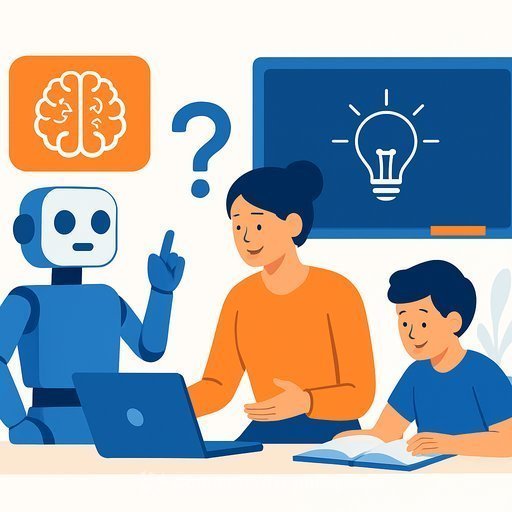
As AI tools become standard in education and the workplace, expelling students for using AI may backfire. Instead, institutions should focus on teaching students how to use AI responsibly and effectively—skills employers expect.
With student enrollment declining in many places, colleges that resist AI risk losing students to those that embrace it. Building an AI-forward campus starts with AI literacy. Research suggests students unfamiliar with AI may become overly dependent on it. Educating them about AI’s strengths and weaknesses helps them use it wisely to support their learning.
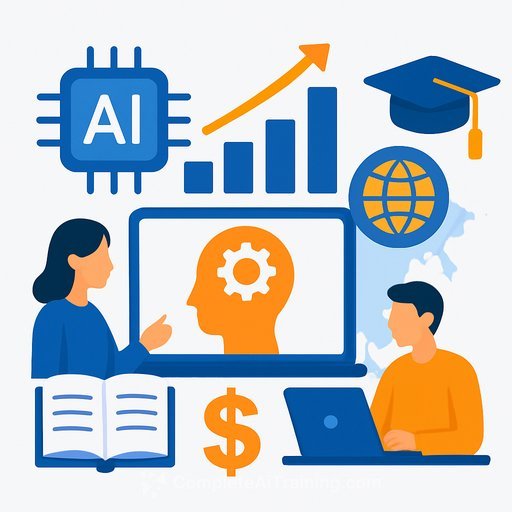
Employers increasingly look for AI skills in new hires, and most college graduates want AI integrated into their courses. Candidates with AI experience often get more interviews and better pay. If college aims to prepare students for the workforce, it must ensure they understand AI. Harsh or inconsistent penalties for AI use contradict this goal.
The Problem with AI Detection
Most schools still lack clear AI-use policies. In Yang’s case, the university relied on AI detection software to review his exam. These tools are unreliable at best and biased at worst, especially against neurodivergent students or those whose first language isn't English.
Institutions should educate faculty about the limits of AI detection and avoid using it as the sole basis for major decisions like expulsion or failing grades.
Before his expulsion, Yang submitted an assignment containing a phrase that seemed like an AI prompt: “rewrite it, make it more casual, like a foreign student write but no ai.” Yang denied using AI, but the university warned him. This raises questions about whether expulsion was the correct response or if a better strategy could have prevented this outcome and leveraged AI’s benefits.
Building an AI-Forward Campus Culture
Being AI-forward means accepting AI technology instead of banning it. Research shows well-managed AI use can benefit higher education significantly. Most students already use AI for tasks like proofreading, brainstorming, and summarizing notes.
Faculty and administrators recognize AI’s potential to improve learning analytics, accessibility, and broaden access to education.
An AI-forward approach requires clear, consistent policies across the institution, especially since many colleges promote interdisciplinary collaboration. Setting boundaries around AI is fine, but relying on detection tech as a “gotcha” tool is not productive.
Instead, educators should use AI detection tools as learning aids. For example, giving students access to these tools can help them identify and address AI-generated content before submitting assignments.
Examples of AI Integration in Higher Education
The California State University system offers a strong example. In February, it partnered with OpenAI to provide a customized version of ChatGPT for its 460,000 students and 63,000 faculty across 23 campuses. This partnership includes free coaching and certifications to help everyone learn to use generative AI effectively.
It also opens doors for students to join AI-driven apprenticeship programs, sharpening their skills for the job market. This kind of broad access can improve teaching, learning, research, and administrative work, equipping graduates with AI tools essential for career success.
Conclusion
Creating an AI-forward culture helps institutions stay relevant and competitive as education faces new challenges. Clear policies, AI literacy, and supportive tools empower students and faculty to use AI in ways that enhance learning and prepare graduates for the demands of today’s workforce.
For educators looking to build AI skills on campus or in their own practice, exploring comprehensive AI training resources can be a valuable step. Platforms like Complete AI Training offer courses designed to build practical AI knowledge and skills.
Your membership also unlocks: