Haryana opens AI voice portal to crowdsource Budget 2026-27
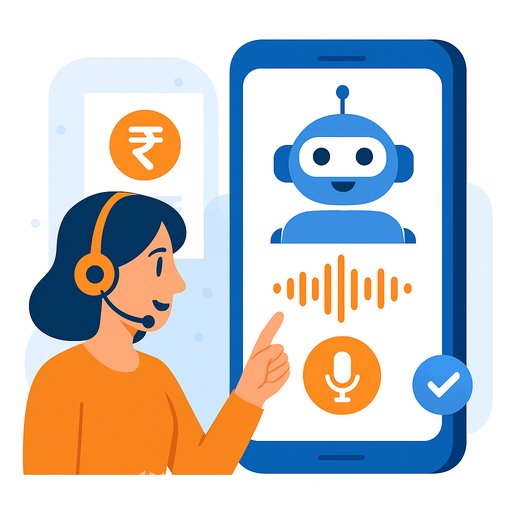
To build a "People's Budget" for 2026-27, the Haryana government has launched an AI-based system that collects budget suggestions directly from citizens. The state says it's the first time AI is being used this way within India's administrative and democratic setup. Inputs are accepted in Hindi, English, and Haryanvi to keep the process inclusive and simple.
AI will analyze the feedback to surface priorities, patterns, and sector-specific needs so decision-makers get clear signals from the ground.
How the Voice Feedback Portal works
- QR-code path: Citizens scan a QR code (shared across social platforms). An AI Voice Assistant starts a short conversation, records suggestions, and saves them to a central database. A follow-up link is sent for detailed inputs via form.
- Missed-call path: Give a missed call to 73033 50030. The AI system calls back. A recorded message from Chief Minister Nayab Singh Saini greets the caller and asks for suggestions. Then AI chatbot "Pooja" collects the caller's name, profession, place of residence, views on the previous budget, and suggestions for the upcoming budget. After the call, a text message provides a link for any additional details.
What happens to the data
Feedback is analyzed using AI and advanced analytics. Suggestions are categorized by sector-health, education, agriculture, and more-and flagged as new or already existing.
Findings will be presented to Chief Minister Nayab Singh Saini for consideration during budget formulation. The aim is to feed clear, organized citizen input into the policy process without adding friction for the public or the departments reviewing it.
Why voice, and why now
Swarna Jayanti Haryana Institute for Fiscal Management Director General Raj Nehru said earlier public portals required reading and writing skills, and many people were reluctant to submit long written inputs. At the Chief Minister's instance, the team moved to an AI-led phone experience to make participation easier and more natural.
Early traction
Within the first 24 hours, the system logged over a thousand calls. The line will remain open till at least January 28.
What this means for government teams
- Broader reach: Voice lowers the barrier for participation and captures more diverse input from rural and urban constituencies.
- Faster triage: Automated tagging by sector and theme helps departments review relevant suggestions without sifting through raw transcripts.
- Clear prioritization: Frequency and sentiment analysis highlight what citizens care about most, making trade-offs easier to justify.
- Better documentation: Structured records (call + form) preserve context and make follow-up simpler.
How departments can support
- Circulate the QR code and missed-call number through district offices, field staff, and verified social channels.
- Nominate a focal point in each department to review categorized inputs weekly and flag items that need policy or budget action.
- Agree on common sector tags and definitions so cross-department analysis stays clean and comparable.
- Set up a privacy and data-handling SOP covering storage, retention, and access control for voice and text submissions.
- Plan quick responses for high-frequency local issues (roads, health facilities, school infrastructure) to show citizens their input is heard.
How citizens can participate (to share with your networks)
- Scan the official QR code to speak with the AI Voice Assistant, or give a missed call to 73033 50030 and the system will call back.
- Speak in Hindi, English, or Haryanvi. Be specific: location, issue, and suggested action help your input get routed correctly.
- Watch for the SMS link and add any details that didn't fit in the call.
For broader context on state initiatives, visit the Government of Haryana's official portal: haryana.gov.in.
If your team is building AI literacy for public-service use cases, these resources may help: AI Learning Path for Data Scientists and AI Learning Path for Primary School Teachers.
Your membership also unlocks: