
AI news ·
Health systems that treat AI as infrastructure rather than innovation will see ROI, says UCI chief AI officer
Healthcare AI fails when organizations treat it as a point solution instead of infrastructure, says UCI's chief AI officer Dr. Deepti Pandita. Clinician workflow must drive implementation-not the other way around.
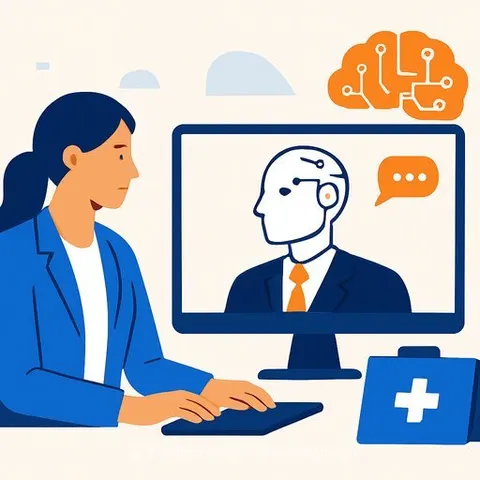
AI Won't Succeed Without the Right People at the Table
Healthcare organizations are making a critical mistake by treating artificial intelligence as a point solution rather than infrastructure. Dr. Deepti Pandita, chief medical information officer and chief AI officer at the University of California Irvine, said this mindset leads to failed implementations and poor ROI.
The problem starts with broken workflows and data pipelines. When organizations let AI systems dictate how work gets done rather than designing systems around how clinicians actually work, failure follows.
"If you let the AI systems dictate what follows in terms of workflow or implementation, they are very likely to fail," Pandita said.
Who Needs to Make AI Decisions
Successful AI deployment requires both an informaticist and a practicing physician who understands workflow design. Pandita holds both roles at UCI, giving her a seat at the center of AI decisions.
This cross-functional requirement echoes lessons from the EHR deployment era, when organizations learned the hard way that technology alone doesn't drive change.
A 2026 survey confirms the shift: 45% of CIOs are now primary decision-makers on AI purchasing. Business success depends on leaders who can bridge technology, operations, and strategy at scale.
Tie AI to Enterprise Value
Executives must connect AI investments to measurable outcomes. Reducing lengths of stay, improving revenue cycle coding, and streamlining appeals processes are concrete targets. Without this connection, AI spending becomes a cost center, not an investment.
"If organizations start looking at AI as infrastructure and not as point solutions, ROI will follow," Pandita said.
Data shows ROI is achievable. Organizations that view AI strategically report returns that justify the expense.
Beyond Financial Returns
AI's value extends beyond cost reduction. The technology can reduce health disparities and better serve marginalized populations when designed with intention.
Patient trust builds when AI systems demonstrate understanding of individual circumstances. An AI tool that knows a patient works 8 a.m. to 5 p.m. and schedules telehealth appointments accordingly shows attentiveness. Trust improves outcomes.
Executives evaluating AI should assess its impact on workforce integration, clinical risk, accountability, and alignment with enterprise strategy-not just the technology itself.
Learn More
Explore AI for Executives & Strategy for frameworks on implementing AI as organizational infrastructure.
Leaders in information technology roles can review the AI Learning Path for CIOs for deeper guidance on enterprise-wide AI governance and decision-making.
Event: HIMSS is hosting the AI Executive Leadership Summit in Boston on June 24, 2026, followed by the AI in Healthcare Forum June 25-26. Register at HIMSS.org.