Healthcare organizations push beyond AI explainability toward accountability structures
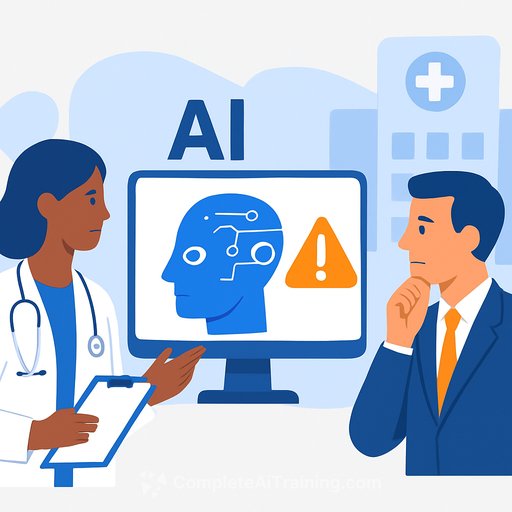
Healthcare institutions are shifting focus from technical transparency in AI systems to governance frameworks that can satisfy institutional oversight requirements. The distinction matters: a model that explains itself to engineers operates differently from one that meets a hospital board's accountability standards.
As hospitals, research institutions, and healthcare organizations expand their use of AI for clinical decision support, risk prediction, and patient data analysis, regulators and internal governance committees are demanding more than technical insight into how models work. They want documentation, validation procedures, audit trails, and structured oversight.
What explainable AI does-and doesn't do
Explainability tools show which variables influenced an AI model's output. A risk prediction system might identify elevated heart rate, abnormal lab values, or recent clinical observations as factors in its assessment. This transparency helps developers validate models during development and helps clinicians understand system recommendations.
These tools excel at showing data scientists how a model interprets information. They do less to address what healthcare governance committees actually need: documented validation studies, institutional review board evaluations, audit records, and evidence that a system meets regulatory standards before clinical use.
Ali Altaf, founder of Paklogics, said the industry spent years building explainability tools designed for technical teams. "Healthcare institutions are now paying closer attention to how accountability and governance frameworks apply to these systems," he said.
Governance requirements shape AI deployment
Healthcare technology operates within regulatory environments that require validation, documentation, and institutional review before systems enter clinical settings. These processes involve clinical informaticists, compliance officers, ethics committees, medical directors, and legal teams-stakeholders whose concerns extend beyond model performance.
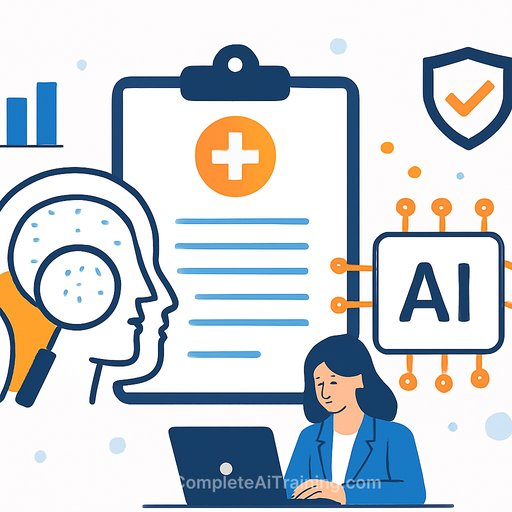
Many machine learning tools-model monitoring platforms, feature attribution frameworks, performance dashboards-were designed to solve engineering problems. Healthcare governance processes need different outputs: traceable records of model behavior over time, validation documentation, structured system outputs that support institutional review workflows, and audit trails showing how predictions were generated.
Healthcare organizations increasingly require evidence that systems have been validated against relevant patient populations, reviewed by appropriate authorities, and integrated into institutional policies. This documentation requirement sits alongside technical transparency.
New platforms aim to bridge the gap
Technology developers are building systems that connect technical model insights with institutional oversight requirements. Paklogics is developing a platform called EthoX designed to help healthcare organizations manage governance and accountability considerations when deploying AI systems.
Rather than focusing exclusively on technical explainability, the platform organizes model information into structured documentation that aligns with healthcare review processes. This includes validation records, model monitoring summaries, and documentation of system behavior over time-formatted for evaluation by governance committees and compliance teams.
The platform reflects a broader industry trend: integrating technical transparency with governance-oriented infrastructure. By focusing on documentation and oversight processes, developers aim to help healthcare organizations manage both the operational and regulatory requirements of AI technologies.
Regulatory pressure accelerates the shift
The U.S. Food and Drug Administration and the European Union's AI Act both emphasize transparency, traceability, validation, and risk management for healthcare AI systems. These frameworks reflect growing attention to governance and oversight.
Healthcare organizations are responding by establishing AI review committees or expanding existing oversight structures. Many institutions are strengthening internal governance processes to evaluate new technologies before implementation.
Explainability and accountability work together
Explainability tools help developers and clinicians understand how models interpret data. Governance frameworks help organizations manage oversight and accountability. Together, these elements support responsible AI deployment aligned with institutional standards and regulatory expectations.
As healthcare AI systems continue to mature, the relationship between explainability and accountability will remain central to how institutions evaluate and deploy new technologies. Technical innovation drives development, but the governance infrastructure surrounding that innovation is becoming equally important to healthcare organizations.
Learn more about AI for Healthcare and how AI models generate predictions that require institutional oversight.
Your membership also unlocks: