Agentic AI Is Becoming Healthcare's New Hire
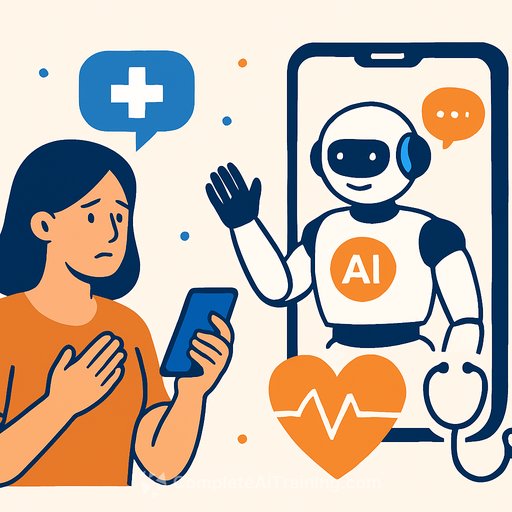
Agentic AI is moving past standalone models. These systems are beginning to work like digital co-workers that coordinate tools, data, and workflows to handle tasks once owned by clinicians and researchers.
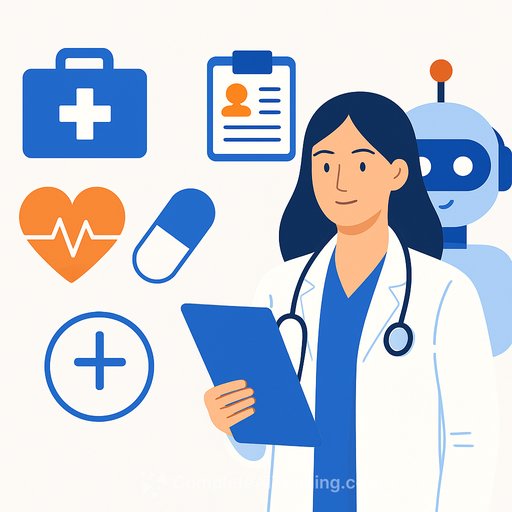
Kimberly Powell, general manager of healthcare at Nvidia, says the shift will cut burnout and expand capacity-once leaders stop treating AI as software and start treating it like labor they can hire. "Thinking of these AI agents as hireable is the concept… They don't see it as, you know, employees," she said.
Why Healthcare Is Ready
Healthcare runs on workflows. That's exactly what agents follow.
Instead of passively sitting in a UI, agents mirror the step-by-step processes clinicians use, call the right tools at the right time, and complete work. Older software helped humans do tasks. Agents do the tasks, with humans supervising.
What Made This Possible
Modern software architecture lets agents plug into existing systems without blowing up IT. APIs and tool calling allow precise access to data, integration with legacy systems, and strict guardrails.
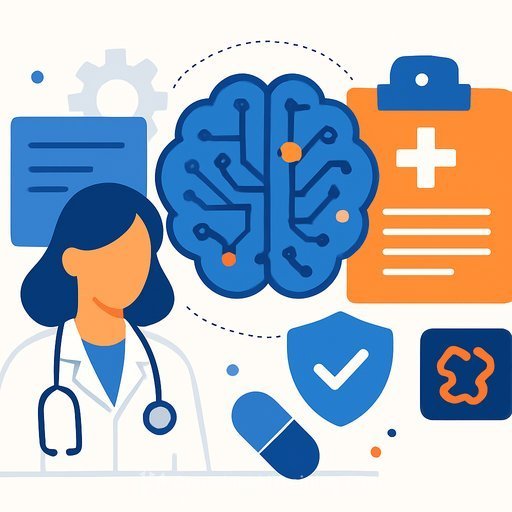
Powell's view: surround foundation models with domain expertise, safety constraints, and current medical knowledge so the system stays on track. That approach cuts hallucinations and supports compliance.
- APIs + standards: Integrate via least-privilege access and audit trails. See FHIR for a common pattern.
- Guardrails: Policy engines, content filters, and task-specific prompts.
- Human-in-the-loop: Checkpoints for sensitive steps and final sign-off where needed.
- Up-to-date knowledge: Retrieval and curated medical content keep outputs current.
- Safety + compliance: Evidence logs, monitoring, and alignment with FDA guidance on AI/ML SaMD.
From Buzzword to Production
This isn't hypothetical. Health AI vendors are already moving into production use, offloading documentation and admin burden. Powell called out Abridge and Multiply Labs as examples gaining traction.
The next 24 months will bring more adoption. The focus: repetitive administrative workflows and documentation that drain clinician time.
Treat Agents Like Employees, Not Software
If you see an agent as a "hire," you set clear expectations and hold it accountable. That mindset shift changes outcomes.
- Write a job description: Scope, responsibilities, success criteria, and escalation rules.
- Define authority: What the agent can do autonomously vs. what needs human review.
- Provision access: Data, tools, and EHR permissions with least-privilege logic.
- Create SOPs: Step-by-step workflows the agent follows, with edge-case playbooks.
- Instrument monitoring: Quality checks, audit logs, and feedback loops.
- Onboard and train: Provide examples, test cases, and policy updates just like a new team member.
Where to Start: High-Impact Use Cases
- Clinical documentation and note generation with human sign-off.
- Prior auth packaging and claim support with evidence citations.
- Care coordination: scheduling, reminders, orders, and handoffs.
- Population health outreach and data quality cleanup.
- Trial ops support: eligibility pre-screening and data extraction.
Risk, Safety, and Governance
- Guardrails by default: Restricted tool access, PII handling rules, and content boundaries.
- Evaluation before go-live: Scenario tests, red-teaming, and bias checks.
- Human control surface: Clear "stop," "approve," and "escalate" actions.
- Audit + traceability: Every action logged with sources and timestamps.
- Regulatory alignment: Documented workflows, validation reports, and change management.
What to Measure
- Minutes saved per note or case.
- Time-to-documentation and turnaround times.
- Error rates, hallucination rate, and rework.
- Patient access: appointment lead times and response times.
- Clinician experience: burnout indicators and after-hours charting.
- Cost per encounter or per chart.
The Next 24 Months
Agentic AI can help understaffed teams do more with less stress. As guardrails and workflows mature, these systems will take on defined responsibilities and hand off edge cases to clinicians.
The organizations that win won't treat agents like another app. They'll staff them like employees, measure outcomes, and keep the human in charge.
Action Step
If your team needs structured upskilling on AI agents and workflow design, explore role-based programs here: Complete AI Training - Courses by Job. For hands-on curriculum on workflow and tool integration, see AI Design Courses, and for governance, evaluation, and safety topics consult AI Research Courses.
Your membership also unlocks: