AI music is topping charts. Creatives feel the chill - and a new brief
Can you trust your ears? A Deezer-Ipsos study found 97% of people couldn't tell AI-made tracks from human-made ones. That isn't a future headline - it's now.
AI artists are charting and signing big deals. "Walk My Walk" by Breaking Rust - fully synthetic, vocals and visuals included - hit number one on the country digital song chart. Xania Monet landed a $3 million deal with Gospel and R&B singles. Velvet Sundown pulled in a million monthly listeners before revealing it was a "synthetic music project."
Do listeners actually want AI music?
It's complicated. Even as AI tracks spread, 52% of listeners in the same Deezer study said they're uneasy about not knowing what's human.
Context matters. Generative tools can touch composition, performance, mixing, and mastering. As Philippe Pasquier from the Metacreation Lab puts it, reactions depend on how AI is used, not just whether it's present.
The ethical snag: who gets paid, credited, and consented?
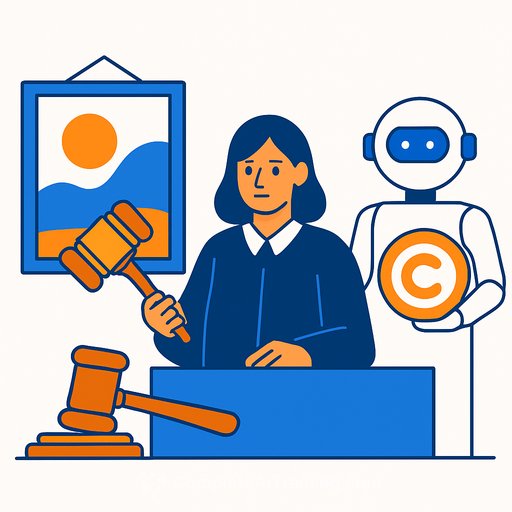
Platforms like Suno and Udio train on massive catalogs - much of it human-made and often scraped without transparent consent or compensation. That's sparked protests and new art-as-protest releases, including a silent album planned as a statement on proposed UK copyright policy.
If you make or license music, keep an eye on evolving guidance from the US Copyright Office. It's practical reading on where the line sits for protection and authorship. Read the USCO's AI resource.
Can machines express - or just imitate?
Some musicians feel their craft shrinking. "My special skill just isn't that special anymore… AI has me beat," says musician and producer Mark Henry Phillips, reflecting on tools that can produce passable results in any style.
Others draw a hard line. Music psychologist and creator Sophia Omarji uses AI for research and summarizing, but not for making songs. For her, music is "self-expression," and that's still a human process.
Pasquier doesn't call AI creative: it imitates training data and lacks intention. Yet he notes that making systems that make art is its own practice - generative art - with real followers. Fans also buy into story, attitude, and persona. As systems learn to mimic those, unease can morph into excitement for some people.
What this means for working creatives
- Decide your AI policy. Where is AI allowed in your process (ideation, sound design, mix help)? Where is it off-limits? Disclose use when it matters for clients and credits.
- Lock down consent in contracts. Add clauses on training data, vocal likeness, credit, and compensation. Include "no training/no scraping" language for stems and deliveries.
- Show provenance. Use content credentials and watermarking where possible so clients and fans can verify source. Explore C2PA-style content credentials.
- Build a story, not just a song. Audiences connect with process, personality, and values. Publish BTS clips, drafts, voice memos, and session notes. The human arc is your moat.
- Lean into the edges AI struggles with. Field recordings, microtiming, imperfect takes, off-grid grooves, custom instruments, unusual mic chains, room noise - artifacts that signal a life lived.
- Offer what can't be cloned easily. Live sets, interactive sessions, bespoke commissions, workshops, and community experiences beat commoditized tracks.
- Diversify revenue. Niche licensing, sample packs you truly own, scoring for podcasts/indie games, memberships, and teaching reduce dependence on streaming volatility.
- Ship hybrid work with clear intent. If you use AI, turn it into your material - resample, re-amp, degrade, re-perform. Don't compete on generic polish; compete on taste.
- Stay sharp on tools, not trends. Learn enough to direct AI the way a producer directs a session player. If you want structured upskilling, see our curation for creative roles: Courses by job.
A simple framework to use AI without losing your voice
- Intent: What problem are you solving - speed, exploration, or sound? Write it down before you open a tool.
- Integrity: Credit sources, get consent, and keep an audit trail of stems, prompts, and edits.
- Insight: Measure response. If the AI step added reach, quality, or margin, keep it. If it blurred your signature, cut it.
The bottom line
AI audio is convincing enough to chart. That won't slow down.
Your edge is taste, story, and the relationship you build with people who care about your work. Choose where AI sits in your process, protect your rights, and make the parts that only you can make.
If you want a curated way to stay current without losing weeks to tool-chasing, browse our latest picks: Latest AI courses.
Your membership also unlocks: