Honeywell's Physical Products Resist AI Automation, CEO Says
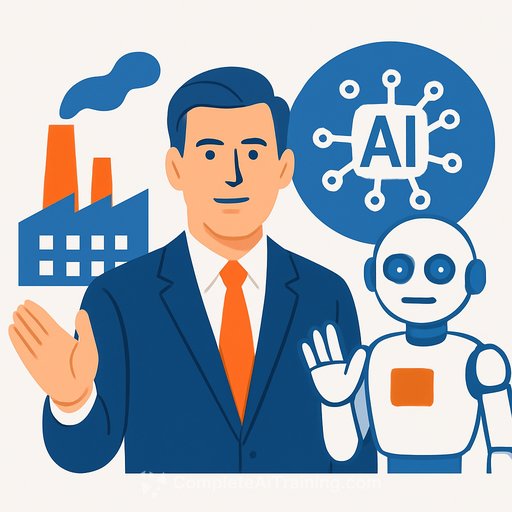
Honeywell International's products are largely immune to AI replacement because they involve physical manufacturing that requires human testing and certification, CEO Vimal Kapur said at CERAWeek 2026.
Kapur broke down how AI affects different types of work into three phases: defining a problem, executing it, and validating the result. The execution phase is most susceptible to automation, he said, but the other two require human judgment.
Software development illustrates the vulnerability. Code writing is heavily automated, which explains why software jobs face disruption from AI tools. Manufacturing is different. A physical product cannot be certified or tested by machines alone-humans remain essential to those steps.
Honeywell itself will deploy AI to improve its own operations, Kapur said. But the company's products-physical systems that are deterministic and rule-based-are harder for AI to replace. The distinction matters for finance professionals evaluating which sectors and companies will weather AI disruption.
Young people entering the workforce should focus on roles where human decision-making is final, Kapur advised. Those sectors exist across industries and will continue to require skilled workers even as AI Agents & Automation spread through execution-heavy functions.
For investors analyzing corporate exposure to AI disruption, the question becomes structural: How much of a company's value depends on work that can be automated versus work that cannot? Honeywell's answer-that its core products sit in the latter category-offers one model for thinking about that risk.
Your membership also unlocks: