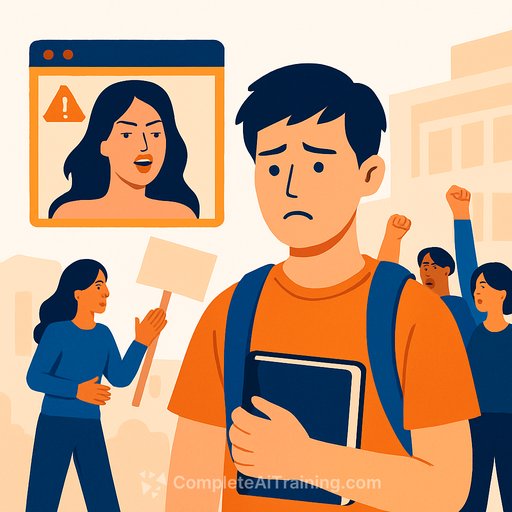
Law Student Accused of Using AI to Create Non-Consensual Pornographic Images at University of Hong Kong
A serious privacy breach has emerged involving a University of Hong Kong student who allegedly used artificial intelligence to generate pornographic images of female classmates, teachers, and acquaintances without their consent. The incident has prompted a criminal investigation by Hong Kong's privacy watchdog following anonymous reports on social media.
Privacy Violation and Investigation
On July 15, the Office of the Privacy Commissioner for Personal Data announced a criminal investigation into the student's actions. According to the agency, disclosing personal data without consent breaches Hong Kong's privacy ordinance. This case highlights the legal challenges posed by AI technologies in safeguarding personal privacy.
Details of the Allegations
According to an anonymous Instagram post by alleged victims, the student—identified only as "X"—used AI tools to fabricate explicit images of 20 to 30 individuals connected to him, including classmates and teachers. The post claims more than 700 such images were stored on his laptop, organized into folders named after the subjects depicted.
When confronted by a friend in February, the student reportedly admitted to creating the images using AI. Following the exposure, he apologized in person to only two victims, downplaying the number of affected individuals by claiming it was five.
University Response and Disciplinary Action
Several victims contacted the university's disciplinary committee in March, expressing concerns about sharing classes with the accused student. The university initially responded that the student's conduct did not constitute a breach of disciplinary policies, based on legal advice.
However, on July 12, the university issued a warning letter to the student and requested a formal apology to the victims. The university also implemented measures such as class adjustments to support the well-being of affected students.
Legal and Ethical Implications
- Privacy Law: The unauthorized creation and distribution of explicit images fall under the scope of privacy and data protection laws. This case underscores the importance of clear regulations addressing AI-generated content.
- Disciplinary Limits: Current university policies may not adequately cover misconduct involving AI tools, suggesting a need for updates to institutional regulations.
- Victim Support: Institutions must balance legal considerations with the welfare of victims, providing necessary accommodations and psychological support.
This incident serves as a cautionary example for legal professionals monitoring the intersection of AI technology and privacy rights. Ensuring accountability and updating legal frameworks to address AI misuse remain critical.
For more insights into AI ethics and legal frameworks, visit the Complete AI Training platform.
Your membership also unlocks: